March 17, 2026
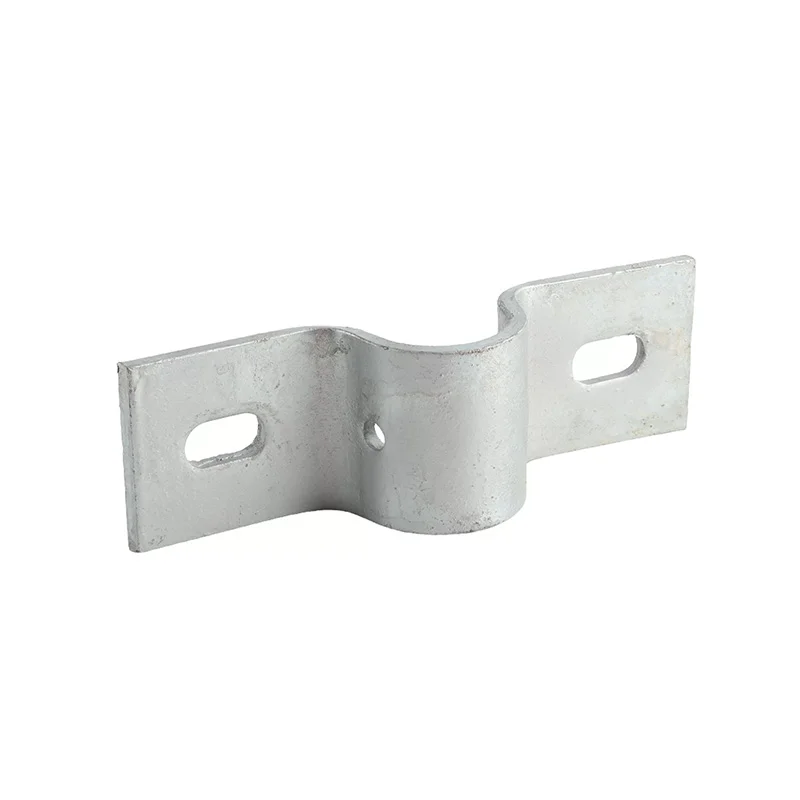
Achieving the correct pipe bracket spacing is critical for the long-term integrity and safety of piping systems. Improper spacing can lead to stress on the pipes, potential sagging, and even catastrophic failure. This guide delves into the factors influencing optimal spacing, the relevant codes and standards, and provides practical considerations for engineers, contractors, and maintenance personnel. Properly supporting your pipelines is not just about compliance; it's about ensuring reliable operation and preventing costly downtime. Selecting the right fasteners from Top Fastener further enhances the security and longevity of your piping infrastructure.
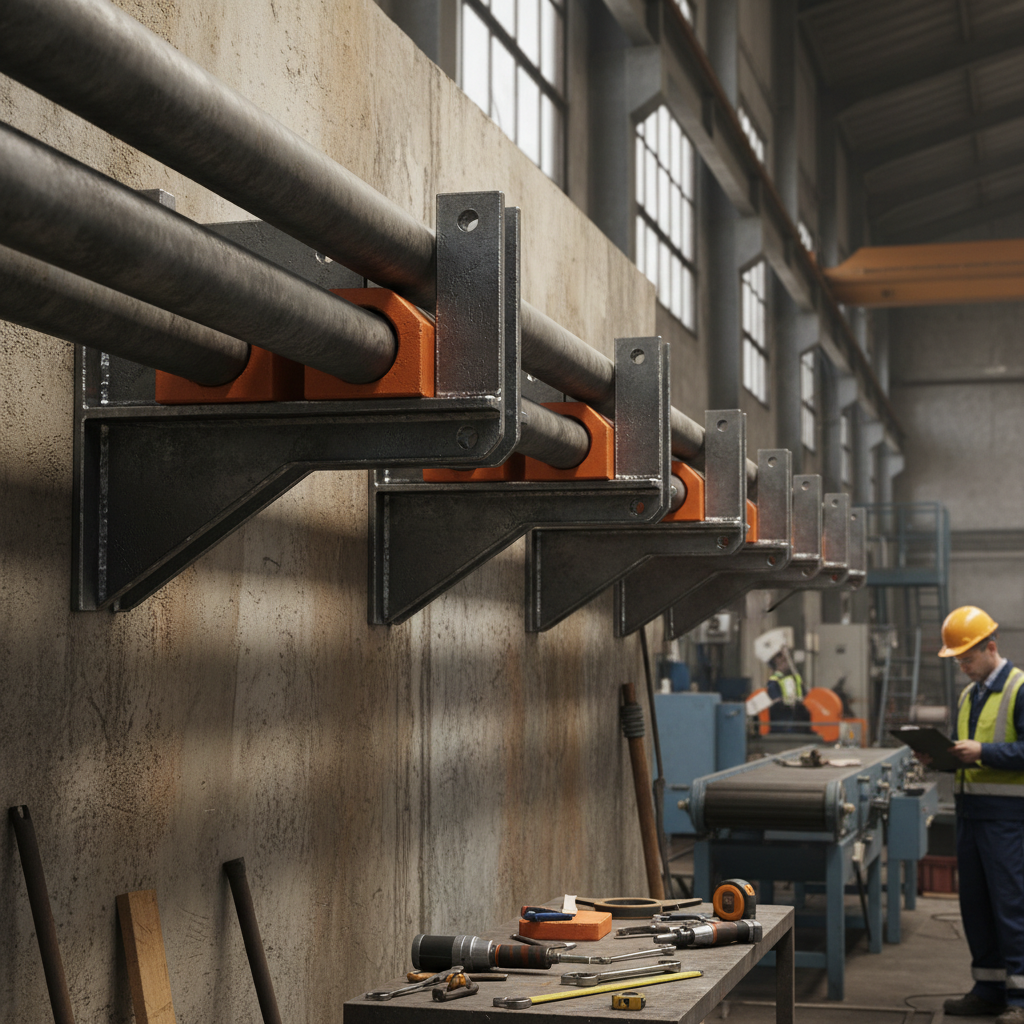
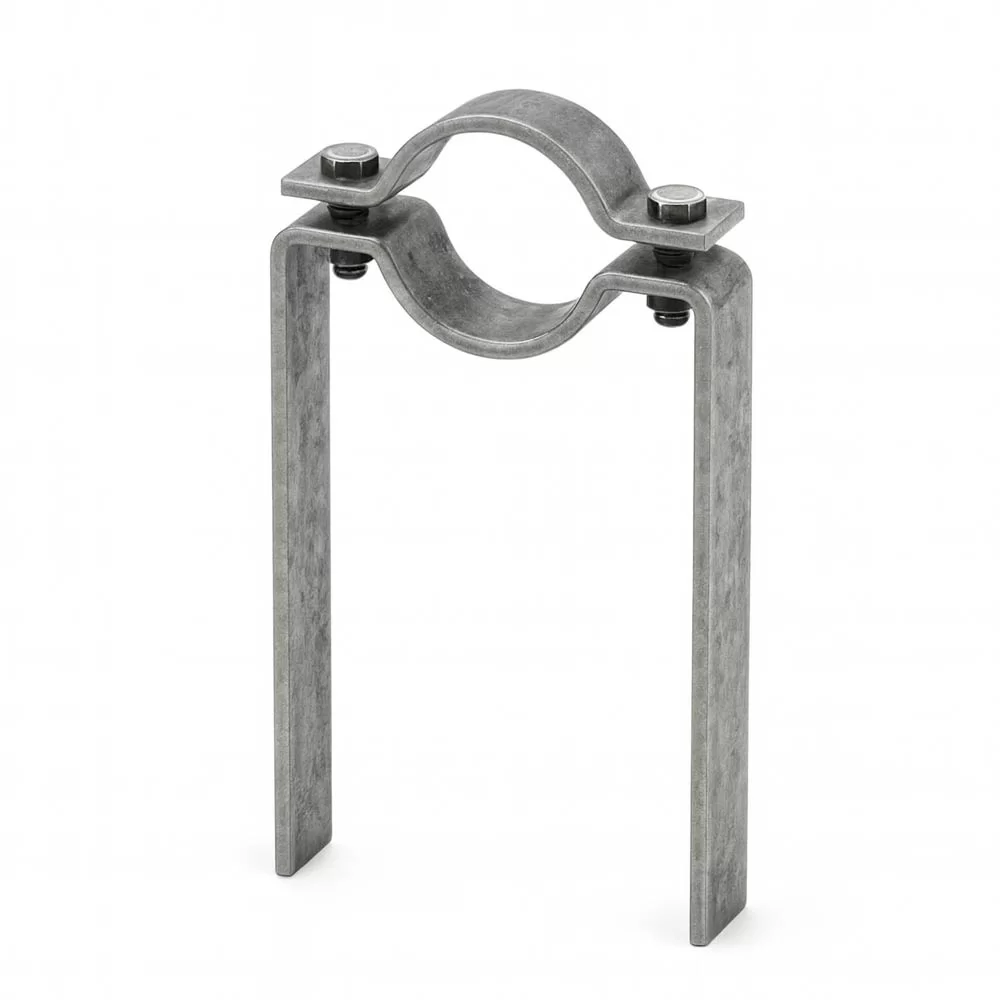
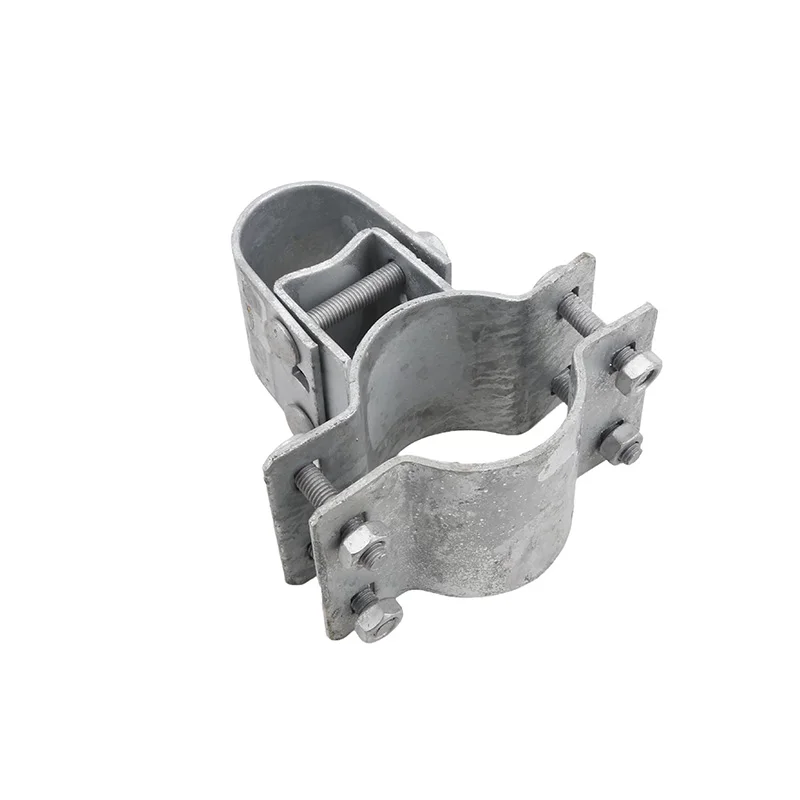
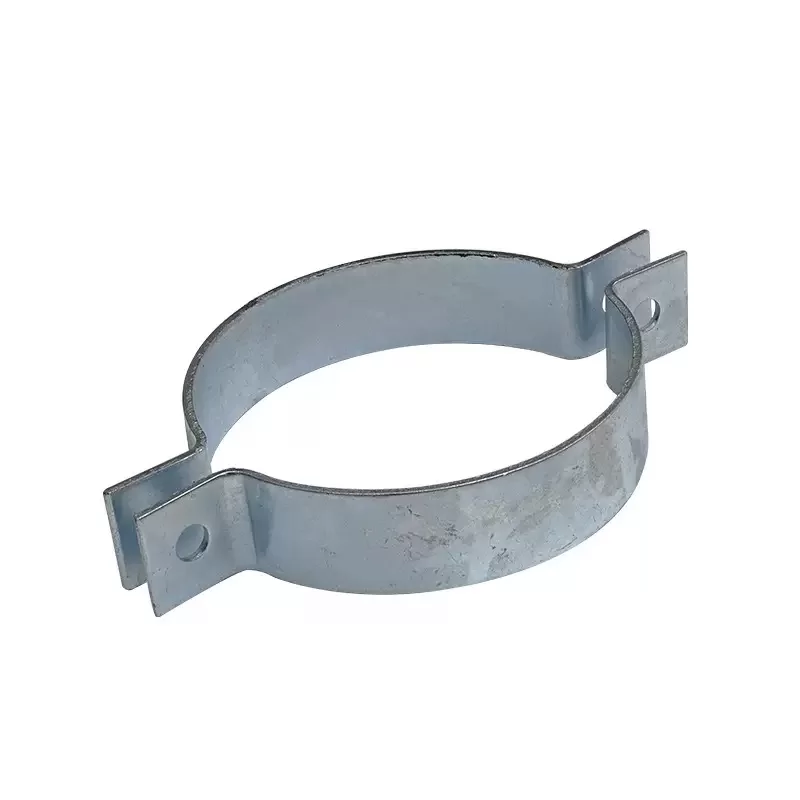
Several key factors dictate the ideal distance between pipe supports. These include the pipe material (steel, PVC, copper, etc.), the pipe diameter and wall thickness, the fluid being conveyed, the operating temperature and pressure, and any external loads or vibrations. Larger diameter pipes and those carrying heavier fluids require closer spacing. Additionally, the type of support – whether it’s a simple bracket, a shoe, or a more complex hanger – will also impact the allowable span. Considering all these elements ensures the piping system can safely withstand the stresses imposed upon it.
Industry standards provide guidance on acceptable pipe bracket spacing. ASME B31.3 (Process Piping) and ASME B31.1 (Power Piping) are two commonly referenced standards in North America. These codes offer detailed tables and formulas for calculating maximum allowable spans based on pipe characteristics and operating conditions. It's crucial to adhere to these standards to ensure compliance and maintain the safety of the system. Always consult the latest version of the applicable code for the most accurate and up-to-date requirements.
Key Standards: ASME B31.3, ASME B31.1, and local building codes. Compliance with these standards is essential for safety and legal considerations.
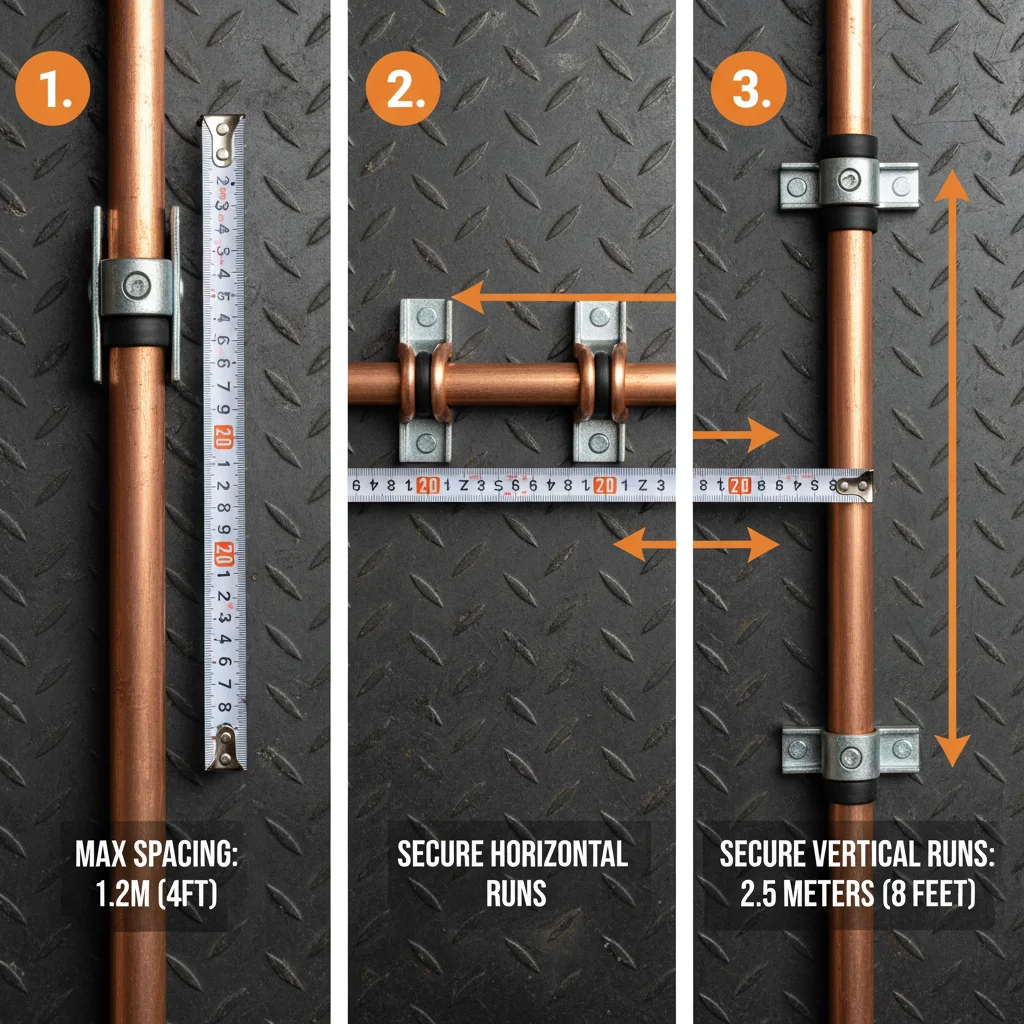
While detailed calculations often require engineering expertise, a general rule of thumb is to space brackets no more than the pipe diameter multiplied by a factor determined by the pipe material and operating conditions. For example, carbon steel pipes might allow for a factor of 20, while PVC pipes might require a factor of 10. This is a simplification, however, and a thorough analysis should always be performed. Remember to account for weight of pipe, fluid, insulation, and any additional loads. Using quality pipe brackets and fasteners is paramount.
Insulation significantly increases the overall weight of the piping system. This added weight necessitates closer pipe bracket spacing to prevent excessive stress on the supports and the pipe itself. Failure to account for insulation weight can lead to sagging, damage to the insulation, and ultimately, system failure. Always factor in the weight of the insulation when performing spacing calculations. Using adjustable pipe supports allows for fine-tuning after insulation is installed.
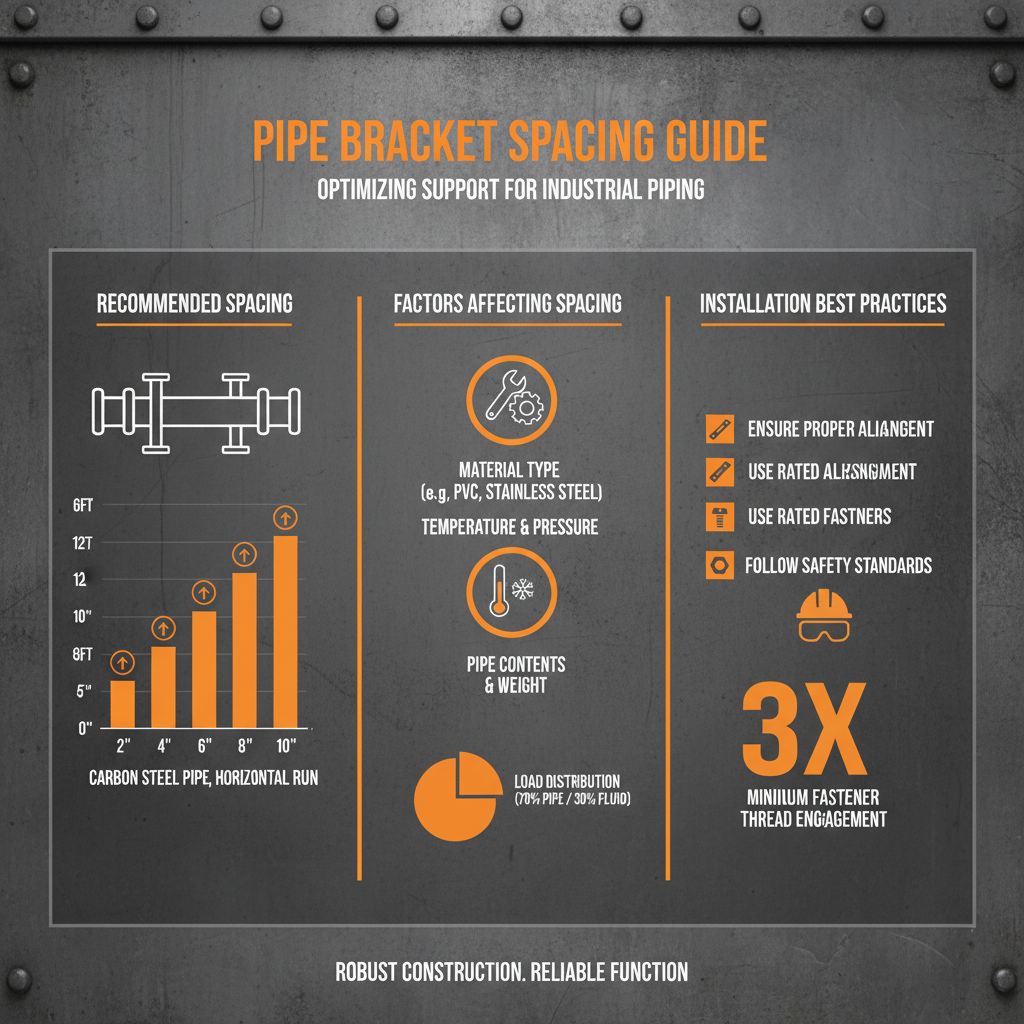
Correct pipe bracket spacing is fundamental to the safe and efficient operation of any piping system. By understanding the influencing factors, adhering to industry standards, and performing accurate calculations, you can prevent costly failures and ensure long-term reliability. Investing in high-quality pipe supports and fasteners from Top Fastener further reinforces the integrity of your installation.
If pipe bracket spacing is too wide, the pipe is likely to sag over time. This sag can place undue stress on the pipe, joints, and supports, potentially leading to leaks, cracks, or even complete failure. Excessive sagging can also damage insulation and other components attached to the pipe. In extreme cases, it can create a safety hazard. Properly spaced supports distribute the load evenly, preventing excessive bending and maintaining the integrity of the system.
Regular inspection of pipe supports is crucial to ensure they remain effective. Inspections should be performed at least annually, and more frequently in harsh environments or for critical systems. Inspect supports for signs of corrosion, damage, loosening, or misalignment. Also, check for any evidence of pipe sagging or excessive vibration. Addressing issues promptly can prevent more serious problems from developing.
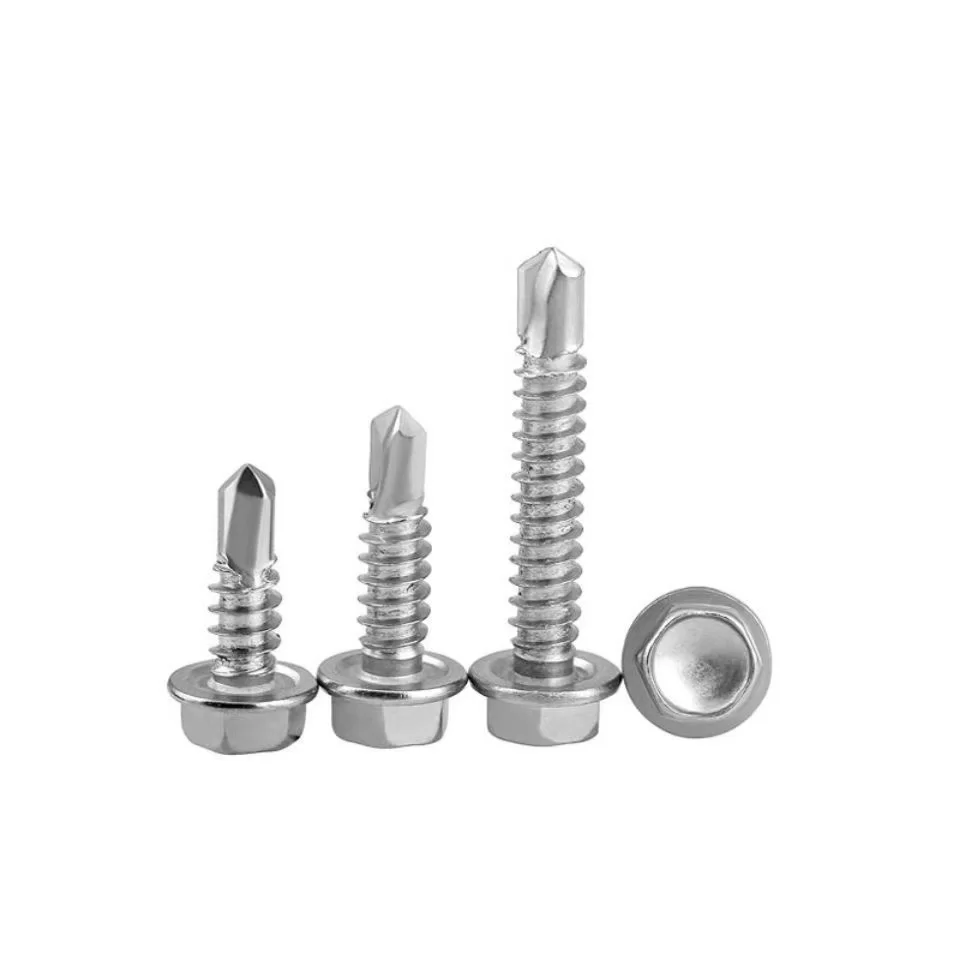
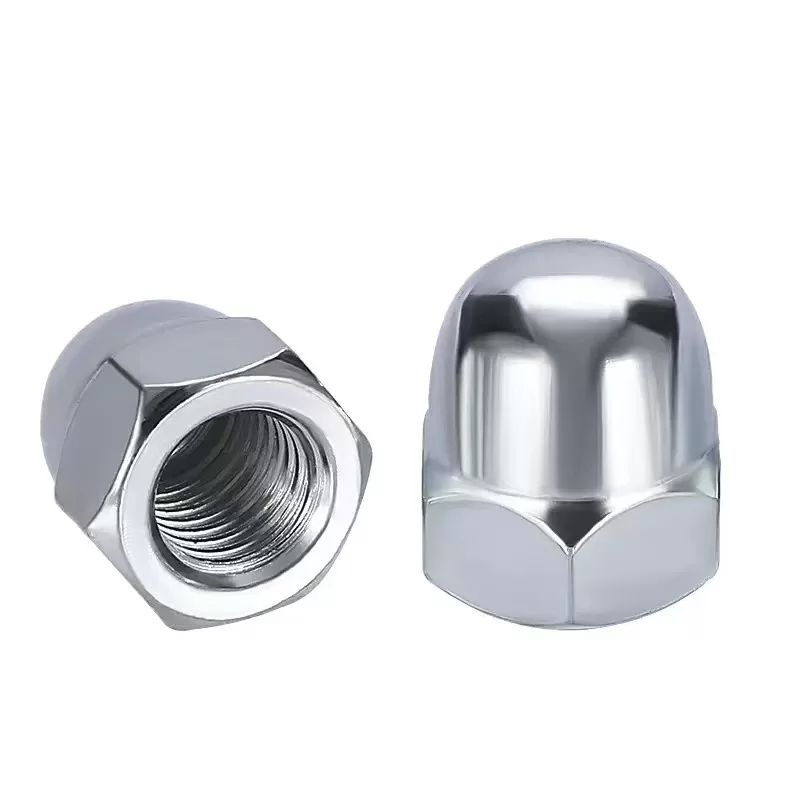
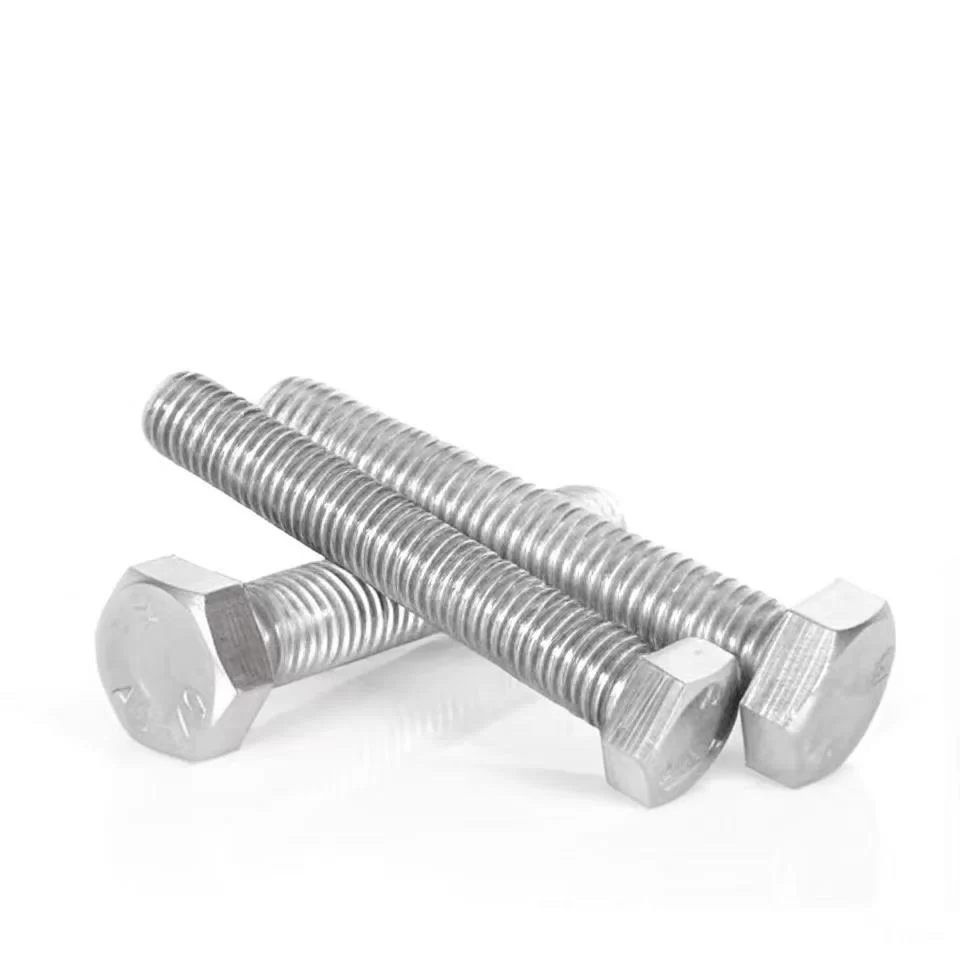
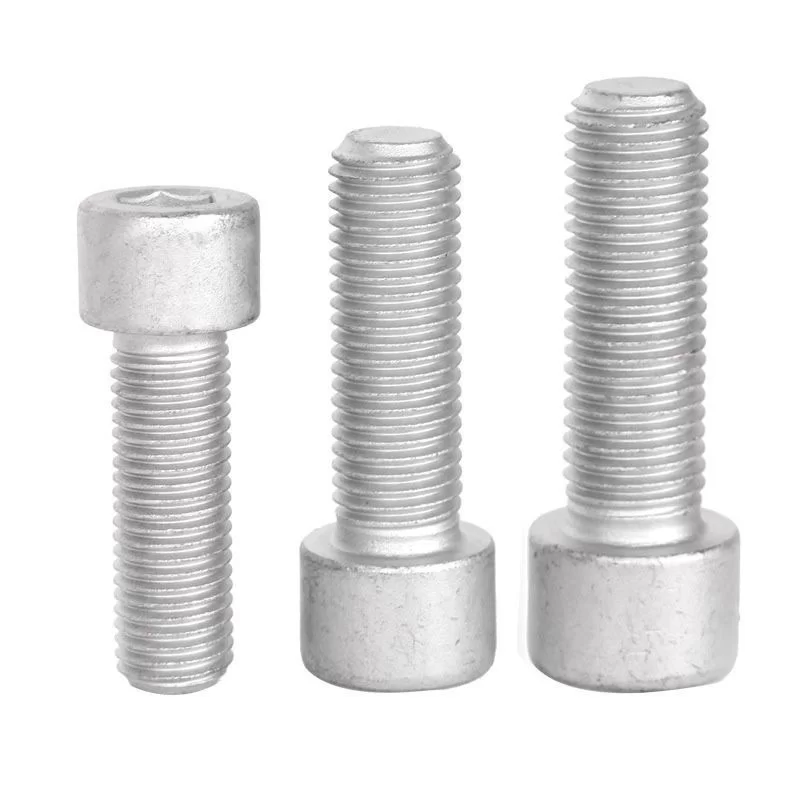
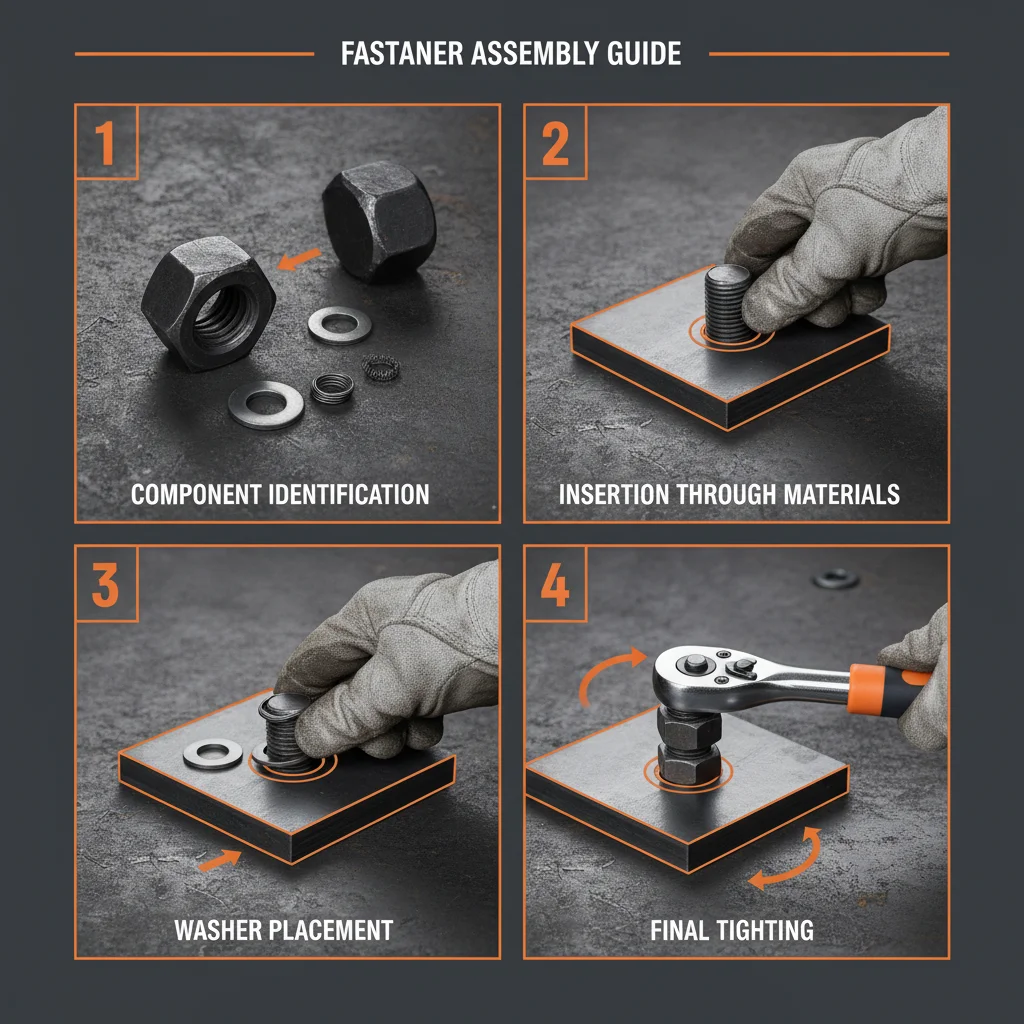
The choice of fasteners depends on the pipe material, the support structure, and the operating environment. Generally, fasteners should be made of corrosion-resistant materials, such as stainless steel or galvanized steel. Top Fastener offers a wide range of high-quality bolts, nuts, and washers specifically designed for pipe support applications. Ensure that the fasteners are properly sized and tightened to the manufacturer's specifications. Utilizing the right fasteners is just as important as the brackets themselves.
While online calculators can provide a preliminary estimate of pipe bracket spacing, they should not be relied upon as a substitute for a professional engineering analysis. These calculators often simplify complex calculations and may not account for all relevant factors. It's crucial to consult with a qualified engineer to ensure accurate and safe spacing, especially for critical or complex piping systems.
Hit enter to search or ESC to close