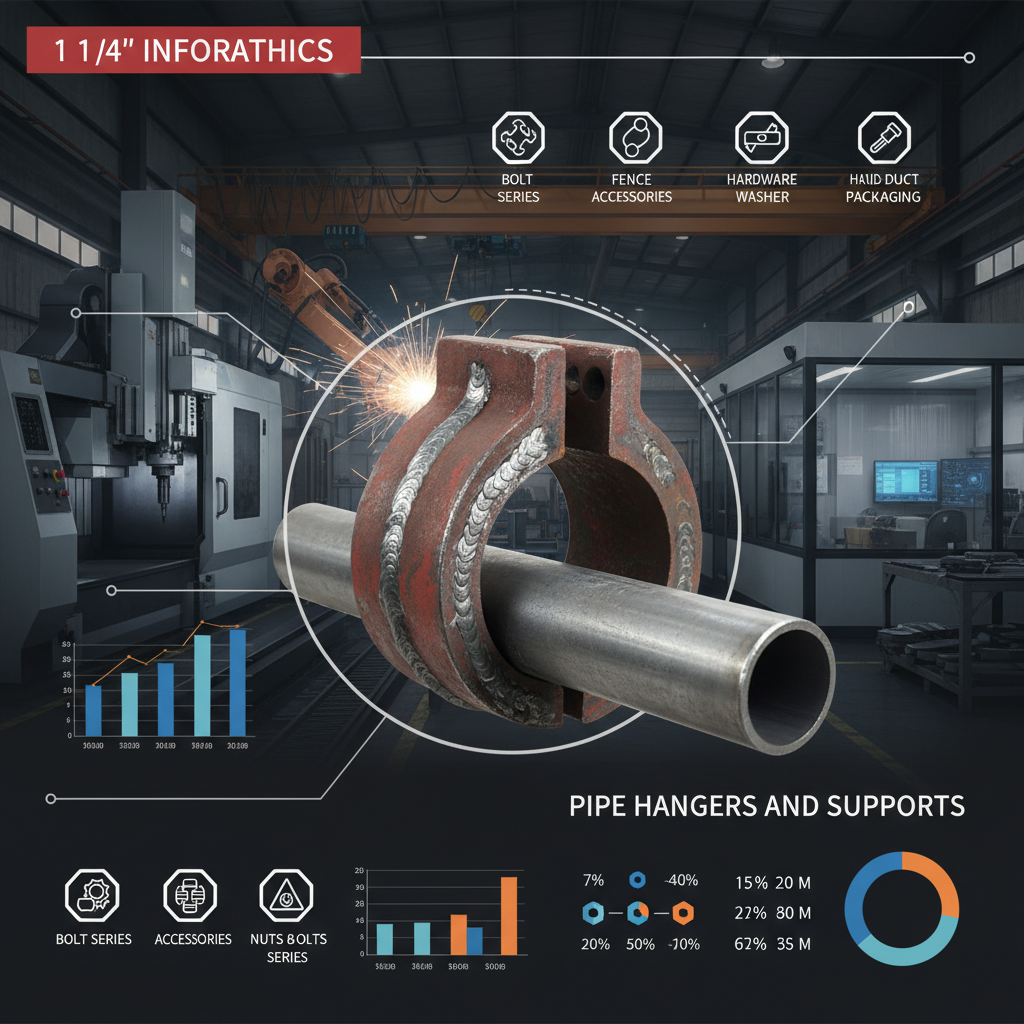
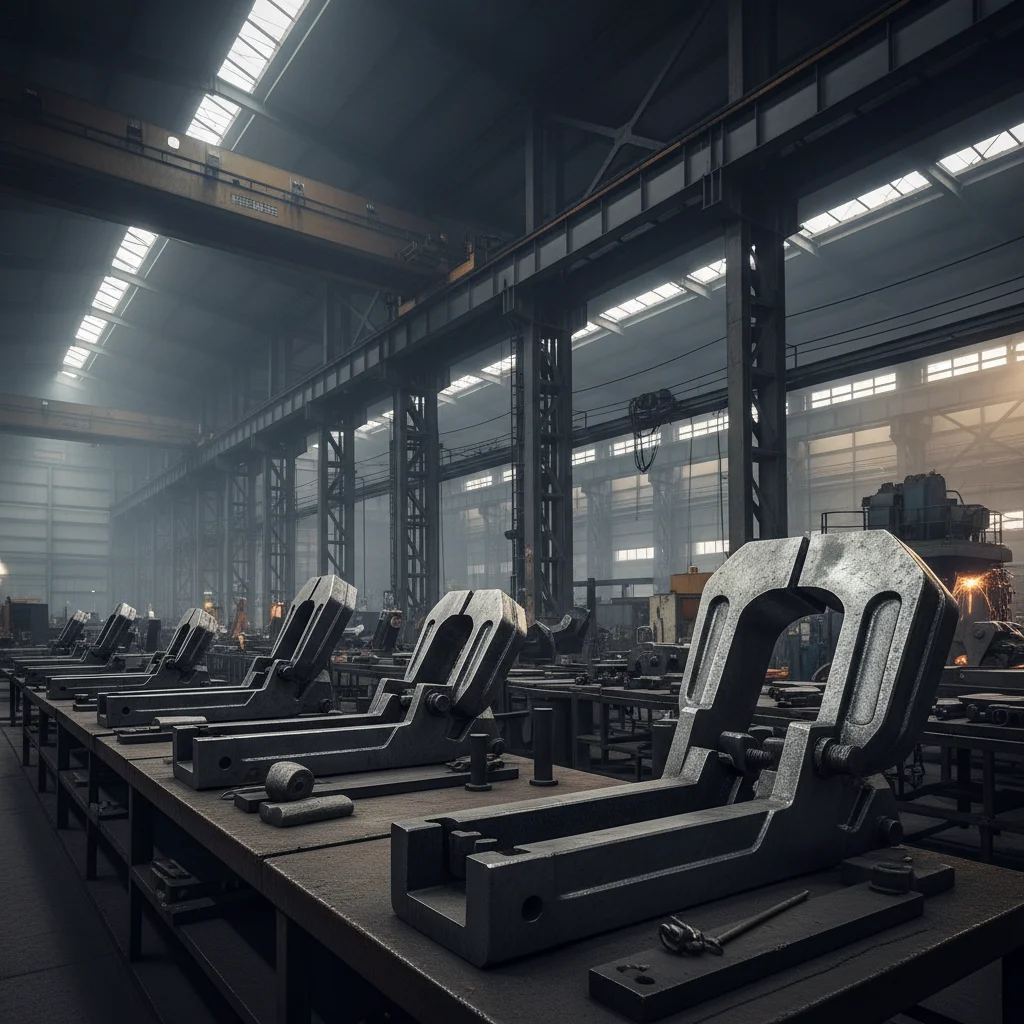
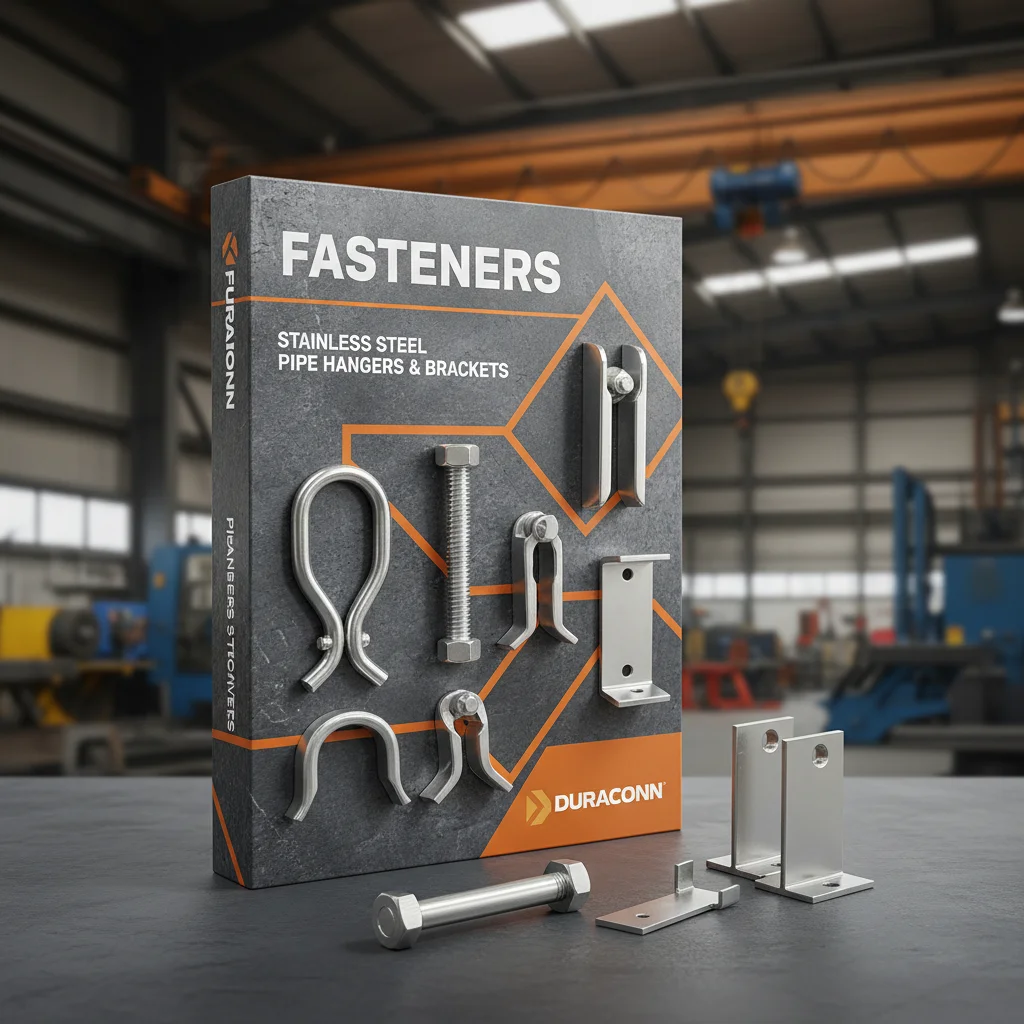
The stability and safety of industrial piping systems depend heavily on the quality of their support structures, where the 1 1 4 pipe hanger plays a critical role in ensuring alignment and load distribution. In the world of metal fabrication and fastening, choosing a hanger that fits a 1 1/4-inch pipe precisely is not just about size, but about preventing vibration, sagging, and potential system failure in high-pressure environments.
Globally, the demand for precision-engineered fastening solutions has surged as infrastructure projects become more complex, requiring components like the 1 1 4 pipe hanger to meet stringent international safety standards. Whether in commercial plumbing, HVAC installation, or industrial chemical processing, these hangers provide the necessary structural integrity to maintain the longevity of the piping network.
Understanding the technical nuances of the 1 1 4 pipe hanger—from material composition to coating options—allows engineers and contractors to optimize their installation costs while maximizing safety. By focusing on E-E-A-T principles (Experience, Expertise, Authoritativeness, and Trustworthiness), this guide explores how the right support system transforms a simple pipe installation into a durable industrial asset.
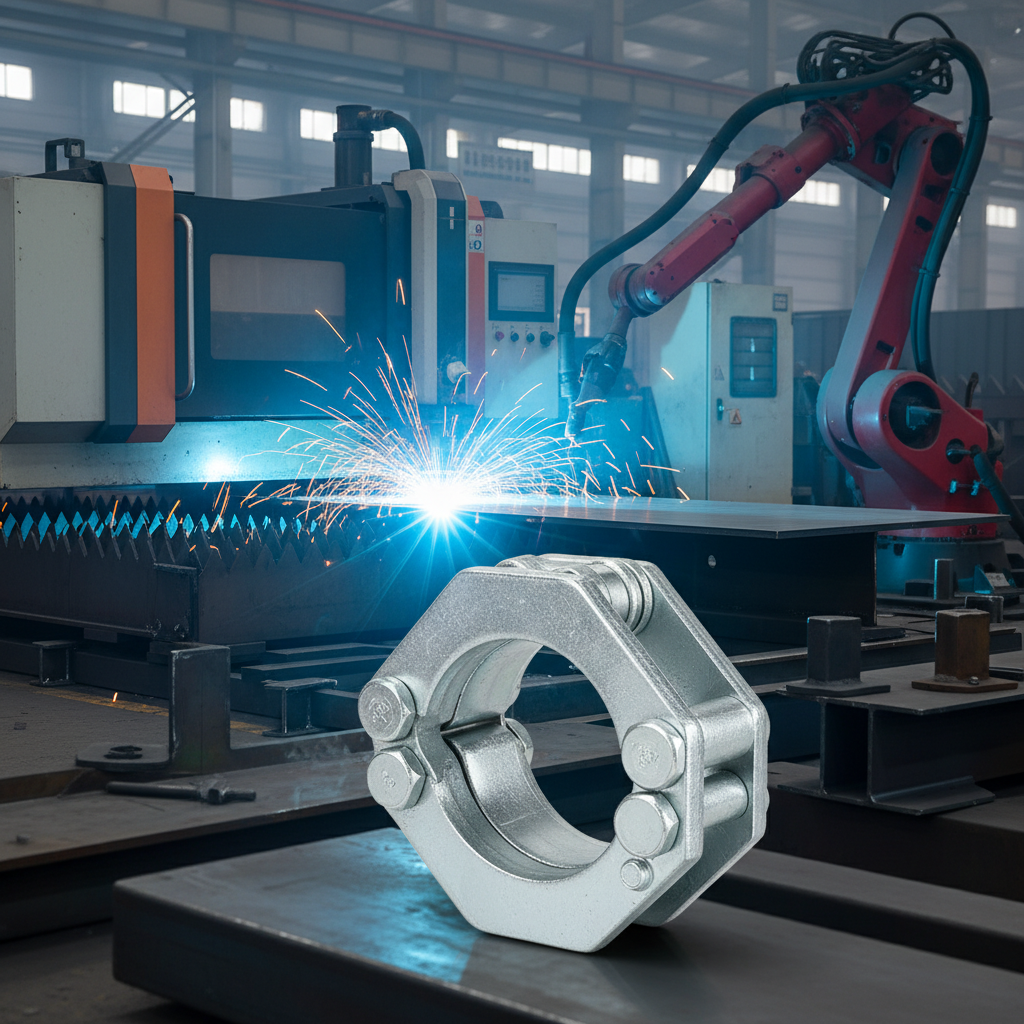
Global Relevance of 1 1 4 Pipe Hanger Systems
In the modern industrial landscape, the adherence to ISO standards for piping systems has made the 1 1 4 pipe hanger a staple in construction worldwide. As urban centers expand, the complexity of underground and overhead utility networks increases, placing immense pressure on the hardware that keeps these systems secure. Statistics from global infrastructure reports suggest that poor support selection is a leading cause of premature pipe fatigue and leakage in commercial buildings.
The global market for pipe supports is driven by the need for scalability and reliability. A precision-fit 1 1 4 pipe hanger ensures that thermal expansion and contraction—common in steam and hot water lines—do not cause the pipes to buckle or shift. This makes the component indispensable for maintaining the safety of high-occupancy buildings and heavy-duty manufacturing plants across North America, Europe, and Asia.
Defining the Technical Specifications of 1 1 4 Pipe Hangers
At its core, a 1 1 4 pipe hanger is a specialized fastening component designed to support piping with a nominal diameter of 1 1/4 inches. Unlike generic clamps, these hangers are engineered to distribute the weight of the pipe evenly across the support point, preventing localized stress concentrations that could lead to deformation of the pipe wall over time.
These components are integral to modern industry because they bridge the gap between heavy structural engineering and fine-tuned facility management. By providing a stable anchor point, the 1 1 4 pipe hanger allows for the safe transport of fluids and gases in environments where space is limited and structural precision is non-negotiable.
From a humanitarian perspective, these supports are vital in the rapid deployment of water and sanitation systems in developing regions or post-disaster zones. The ability to quickly and securely install piping using standardized hangers ensures that clean water can be delivered to vulnerable populations with minimal risk of system collapse.
Core Components and Material Durability
The efficacy of a 1 1 4 pipe hanger is largely determined by its material composition. High-grade carbon steel is typically used for heavy industrial loads, while stainless steel (such as 304 or 316 grade) is preferred for environments exposed to corrosive chemicals or high humidity to prevent oxidation and structural degradation.
Durability is further enhanced through advanced coating technologies. Zinc plating and hot-dip galvanizing are the gold standards for the 1 1 4 pipe hanger, providing a sacrificial layer that protects the base metal from rust. This is critical in wastewater treatment plants or coastal industrial zones where salt air can rapidly erode untreated metal.
Beyond the metal itself, the scalability of the design allows these hangers to be integrated with various threaded rods and beam clamps. This modularity ensures that the 1 1 4 pipe hanger can be adjusted during the installation process, accommodating unforeseen structural obstacles without compromising the slope or alignment of the piping system.
Performance Analysis of Hanger Load Capacities
Analyzing the load-bearing capacity of a 1 1 4 pipe hanger is essential for avoiding catastrophic failure in high-density installations. The relationship between the hanger's wall thickness and the total weight of the fluid-filled pipe determines the safety factor of the installation. Engineers typically calculate the maximum permissible load to ensure that the support remains within its elastic limit.
When comparing different installation methods, the choice of the specific hanger model can significantly impact the overall stability of the network. For instance, a heavy-duty clevis hanger may offer more flexibility for thermal movement compared to a rigid strap hanger.
Load Stability Comparison for 1 1 4 Pipe Hanger Variations
Global Industrial Applications and Use Cases
The practical application of the 1 1 4 pipe hanger spans across diverse sectors. In large-scale pharmaceutical plants, where sterile environments are mandatory, stainless steel hangers are used to support high-purity water lines, ensuring that no contaminants enter the system through rusted hardware.
In remote industrial zones, such as mining operations in Australia or oil rigs in the North Sea, these hangers are subjected to extreme temperature fluctuations and vibrational stress. The use of reinforced 1 1 4 pipe hangers prevents mechanical failure in these critical zones, where a single leak could lead to environmental hazards or costly production shutdowns.
Long-term Value and Safety Advantages
Investing in high-quality 1 1 4 pipe hanger solutions provides tangible long-term value by drastically reducing maintenance cycles. When a support system is engineered for the specific weight and diameter of the pipe, the risk of "pipe sag" is eliminated, which in turn maintains the correct flow rate and prevents sediment buildup in low points of the line.
From a safety perspective, the reliability of these hangers provides peace of mind for facility managers. Knowing that every joint and support is rated for the load ensures that the building's integrity is not compromised during seismic events or high-pressure surges, protecting both the assets and the personnel working on-site.
Furthermore, the use of standardized hangers promotes sustainability. By using components that are easy to inspect and replace, companies can extend the life of their entire piping infrastructure rather than opting for full system overhauls, thereby reducing metal waste and the carbon footprint associated with new construction.
Future Trends in Smart Pipe Support Technology
The future of pipe support is moving toward the integration of "smart" materials and IoT sensors. We are seeing the emergence of the 1 1 4 pipe hanger equipped with stress-sensing technology that can alert maintenance teams in real-time when a support is reaching its load limit or when excessive vibration is detected.
Digital transformation is also influencing the manufacturing process. Through 3D printing and additive manufacturing, hangers can now be customized for specific geometric constraints, allowing the 1 1 4 pipe hanger to fit into tight corners or complex junctions that were previously impossible to support traditionally.
As the world shifts toward green energy, the demand for hangers capable of supporting hydrogen transport lines is growing. This requires new alloys and coatings that can withstand hydrogen embrittlement, ensuring that the next generation of pipe supports is as safe as it is innovative.
Comparison of 1 1 4 Pipe Hanger Specifications by Application
| Environment |
Recommended Material |
Coating Requirement |
Durability Score (1-10) |
| Commercial HVAC |
Galvanized Steel |
Zinc Plated |
7 |
| Chemical Plant |
Stainless Steel 316 |
Passivated |
10 |
| Water Utility |
Carbon Steel |
Hot-Dip Galvanized |
8 |
| Food Processing |
Stainless Steel 304 |
Electropolished |
9 |
| Residential Plumbing |
Plated Steel |
Zinc Plated |
6 |
| Marine Environment |
High-Nickel Alloy |
Epoxy Coated |
9 |
FAQS
A 1 1 4 pipe hanger is specifically engineered for the outer diameter of a 1 1/4" pipe, ensuring a snug fit that prevents slippage and distributes load evenly. Generic clamps often lack the structural rating and precision required for industrial standards, which can lead to pipe vibration or deformation under heavy loads.
For highly corrosive areas, Stainless Steel 316 is the premier choice due to its molybdenum content, which resists pitting and chlorides. If cost is a factor, hot-dip galvanized carbon steel offers excellent protection for general outdoor use, but for chemical exposure, stainless steel remains the gold standard.
In standard commercial buildings, a yearly visual inspection is usually sufficient. However, in high-vibration industrial settings or plants handling hazardous materials, quarterly inspections are recommended to check for signs of oxidation, loosening, or stress fractures in the hanger body.
Yes, but caution is required. Because PVC expands and contracts more than metal, you should ensure the hanger is not over-tightened to avoid crushing the pipe. Using a hanger with a rubber lining or a plastic-coated 1 1 4 pipe hanger is recommended to prevent abrasion and allow for thermal movement.
Load capacity varies by design (e.g., clevis vs. band). Generally, a heavy-duty steel hanger can support several hundred pounds, but the actual limit depends on the gauge of the steel and the supporting rod. Always refer to the manufacturer's load chart to ensure the safety factor is maintained.
The most common method is using a drop-in anchor or an expansion bolt. Once the anchor is secured in the concrete, a threaded rod is screwed into the anchor, and the 1 1 4 pipe hanger is attached to the bottom of the rod, allowing the pipe to be lifted and secured into the hanger cradle.
Conclusion
The 1 1 4 pipe hanger may seem like a small component in the vast scope of a construction project, but its role in ensuring structural stability and system safety is paramount. By integrating high-grade materials, precision engineering, and adherence to global safety standards, these supports prevent costly failures and extend the operational life of critical piping infrastructure across all industrial sectors.
Looking ahead, the transition toward smart monitoring and sustainable materials will only increase the importance of selecting high-quality fastening solutions. We recommend that engineers and procurement officers prioritize certified, durable hangers to future-proof their installations against environmental stress and evolving safety regulations. For industry-leading fastening solutions, visit our website: www.topfastener.com