The integrity of plumbing systems relies heavily on the precision of support components, where the 1 2 copper pipe hanger serves as a critical anchor for small-diameter copper lines. Ensuring that pipes are securely fastened prevents sagging, reduces vibration, and minimizes the risk of joint failure over time, making it a fundamental element in both residential and industrial fluid transport.
Globally, the demand for specialized fastening solutions has grown as construction standards move toward higher efficiency and longevity. A high-quality 1 2 copper pipe hanger is not merely a piece of metal but a precision-engineered component designed to maintain the alignment of copper tubing, which is prized for its antimicrobial properties and thermal conductivity.
Understanding the technical nuances of these hangers allows engineers and contractors to optimize installation speeds while ensuring compliance with international building codes. By focusing on material compatibility and load-bearing capacity, the implementation of the right 1 2 copper pipe hanger ensures a leak-free environment and lowers the long-term maintenance costs of complex piping networks.
Global Industrial Context of Copper Pipe Supports
In the modern construction landscape, the reliance on copper for potable water and HVAC systems remains unparalleled due to its durability and hygiene. However, the global infrastructure is facing an aging crisis where improper support leads to systemic failures; the strategic use of a 1 2 copper pipe hanger addresses the critical need for stability in tight residential and commercial spaces.
According to ISO standards for piping systems, the frequency of support is paramount to prevent mechanical stress. The global shift toward modular construction has intensified the need for standardized hangers that can be deployed rapidly across different geographic regions, ensuring that whether in North America or Southeast Asia, the piping remains secure and vibration-free.
Defining the 1 2 Copper Pipe Hanger
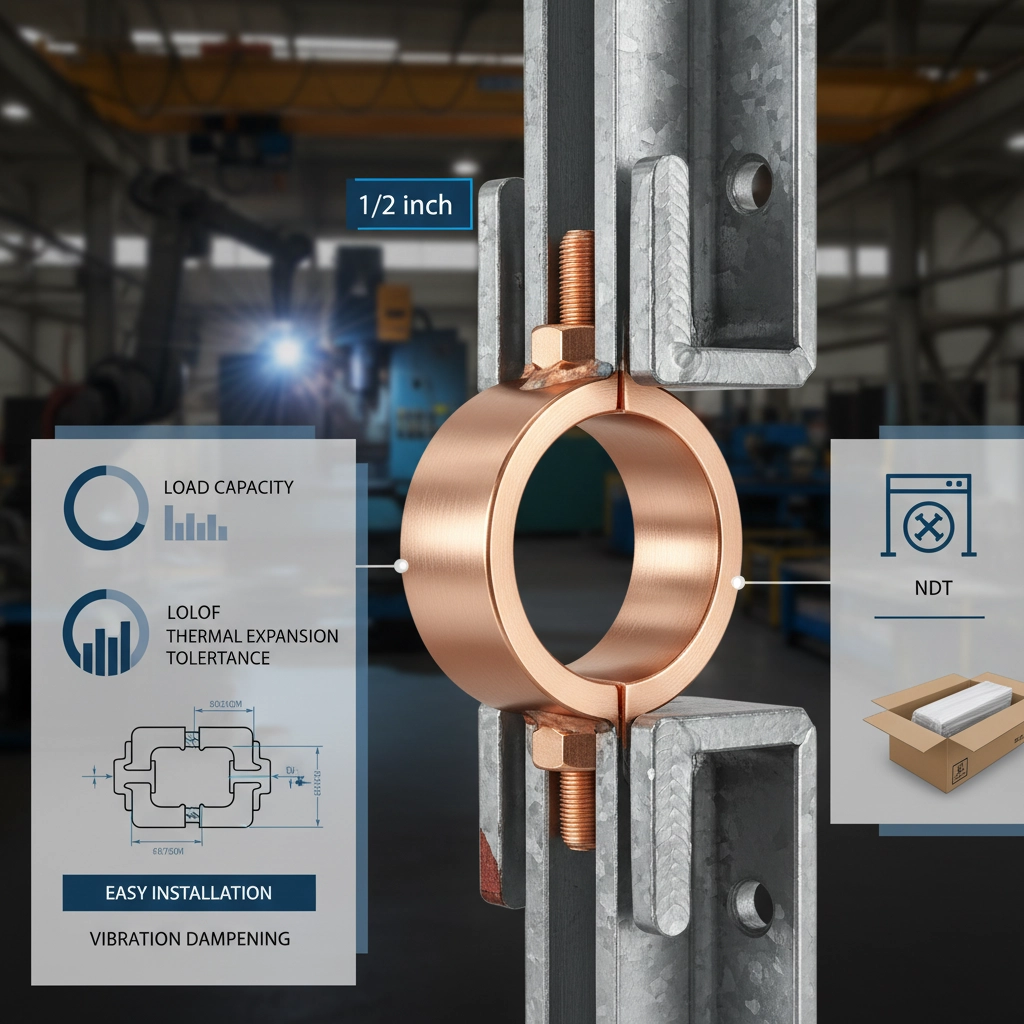
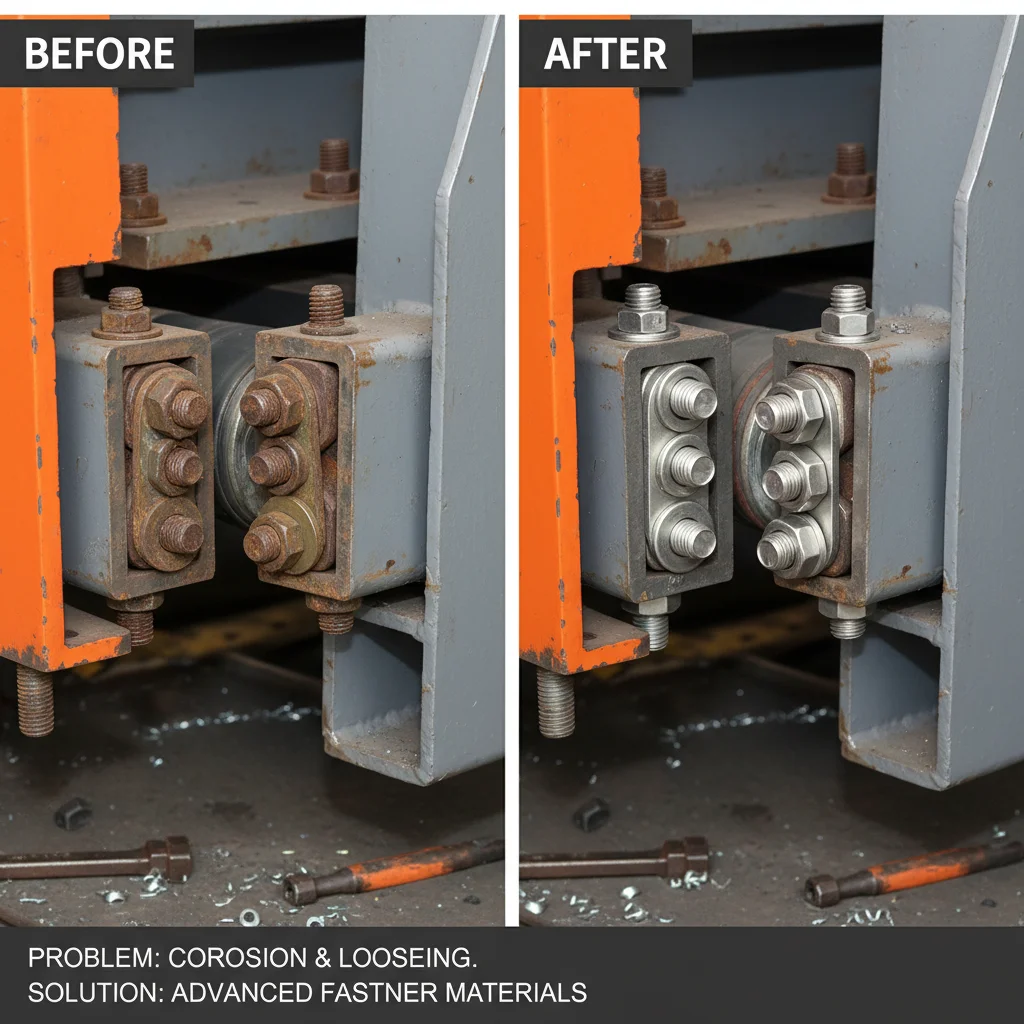
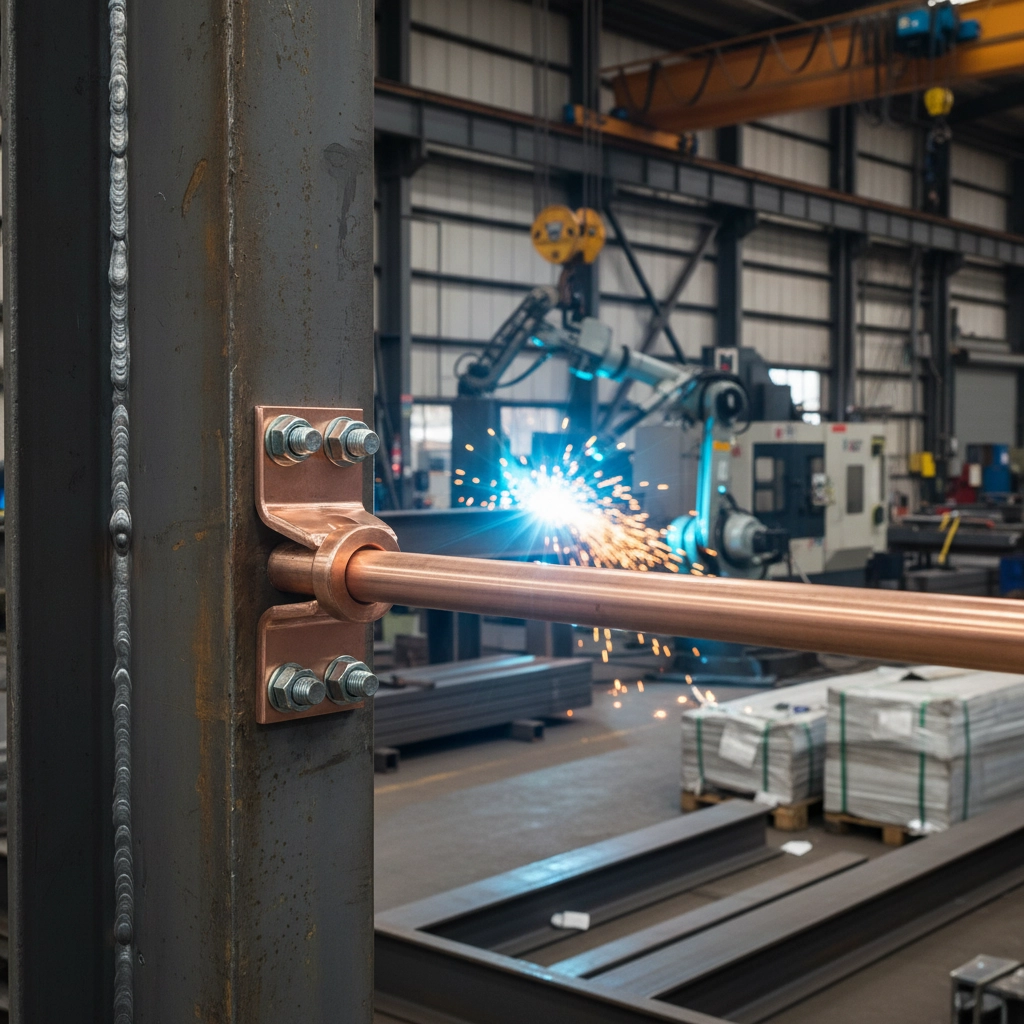
A 1 2 copper pipe hanger is a specialized fastening component designed specifically to cradle and support copper tubing with a nominal diameter of 1/2 inch. These hangers are typically engineered from galvanized steel, stainless steel, or copper-plated alloys to prevent galvanic corrosion—a chemical reaction that occurs when dissimilar metals touch in moist environments.
Beyond its basic function, this component acts as a bridge between the structural framework of a building and the plumbing system. By distributing the weight of the water-filled pipe evenly, the hanger prevents the "snaking" effect, where pipes bow between supports, which can otherwise lead to air pockets and inconsistent water pressure within the system.
In the context of modern humanitarian and urban development, these hangers are essential for creating sustainable water delivery systems. Their simplicity allows for easy installation by local workforces, while their robustness ensures that the infrastructure can withstand seismic shifts or thermal expansion and contraction without compromising the integrity of the copper lines.
Key Factors in Hanger Performance
The durability of a 1 2 copper pipe hanger is primarily determined by its material composition and coating. High-grade zinc plating or stainless steel construction ensures that the hanger does not rust when exposed to condensation, which is a frequent occurrence in cold-water lines.
Load-bearing capacity and scalability are equally vital. A professional 1 2 copper pipe hanger must be able to support the full weight of the pipe plus the weight of the fluid it carries, while maintaining enough flexibility to accommodate the natural thermal expansion of copper.
Cost efficiency in large-scale projects is achieved through the balance of quality and ease of installation. When a 1 2 copper pipe hanger is designed for rapid mounting, it significantly reduces labor hours, which often represent the highest cost in plumbing installations.
Global Applications and Use Cases
Across the globe, the application of the 1 2 copper pipe hanger varies by industry requirements. In high-end residential complexes in Europe, these hangers are often integrated with acoustic insulation to prevent "water hammer" noise from traveling through the walls, enhancing the living experience for residents.
In remote industrial zones or post-disaster relief operations, where rapid deployment of clean water is critical, these hangers allow for the quick assembly of temporary yet secure piping manifolds. Their ability to be fastened to various surfaces—from concrete beams to wooden joists—makes them indispensable for emergency infrastructure.
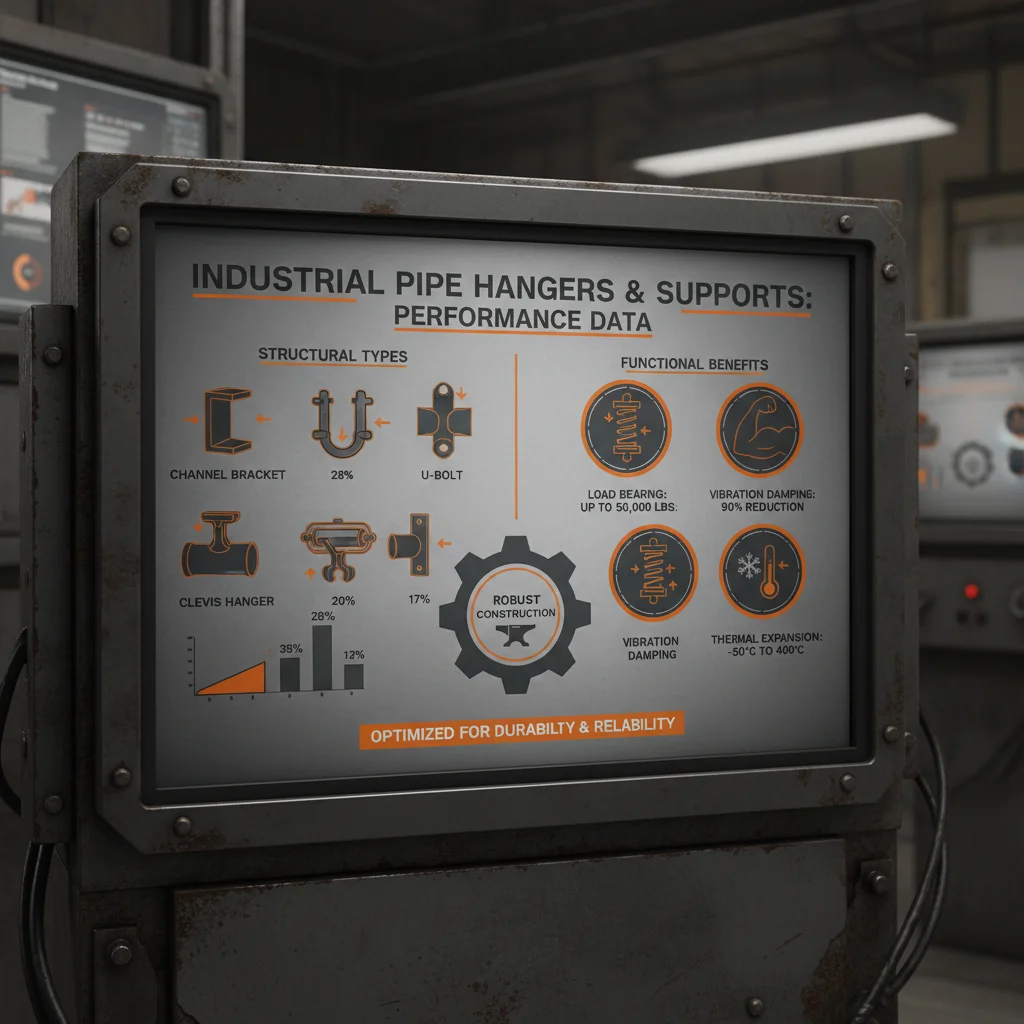
Performance Comparison of 1 2 Copper Pipe Hanger Types
Long-Term Value and Reliability
The true value of investing in a premium 1 2 copper pipe hanger lies in the avoidance of catastrophic failure. A cheap, improperly coated hanger can cause galvanic corrosion, which eats through the copper pipe wall, leading to leaks that may go undetected behind walls for months, causing structural mold and water damage.
From a logical perspective, the reliability of these supports provides peace of mind for building owners and insurance companies. By ensuring that every 1/2 inch copper line is secured with a dedicated hanger, the system gains a level of seismic resilience and stability that reduces the need for emergency repairs and extends the operational lifecycle of the plumbing.
Future Trends in Pipe Fastening Technology
The industry is currently pivoting toward "green" fastening solutions, where the 1 2 copper pipe hanger is being reimagined using recycled alloys and eco-friendly coatings. These innovations aim to reduce the carbon footprint of construction without sacrificing the structural load capacity required for heavy-duty piping.
Digital transformation is also making its mark through the integration of BIM (Building Information Modeling). Engineers can now simulate the exact placement of every 1 2 copper pipe hanger in a virtual 3D model, optimizing the spacing to minimize material waste while maximizing support efficiency before a single part is ordered.
Additionally, the rise of automation in pre-fabricated plumbing modules means that hangers are increasingly designed for robotic installation. These next-generation hangers feature "snap-fit" mechanisms that allow for faster assembly in factory settings, drastically reducing the time required to install complex copper networks on-site.
Overcoming Common Installation Challenges
One of the most frequent challenges encountered by technicians is the over-tightening of the 1 2 copper pipe hanger, which can deform the soft copper tubing and restrict water flow. Expert installers recommend using torque-limited tools or rubber-lined hangers to provide a secure grip without compromising the pipe's diameter.
Another common issue is the misalignment of supports, which leads to uneven stress distribution. To solve this, the use of adjustable hanger systems allows for fine-tuning the pipe's slope—crucial for drainage and condensate lines—ensuring that gravity works in favor of the system rather than against it.
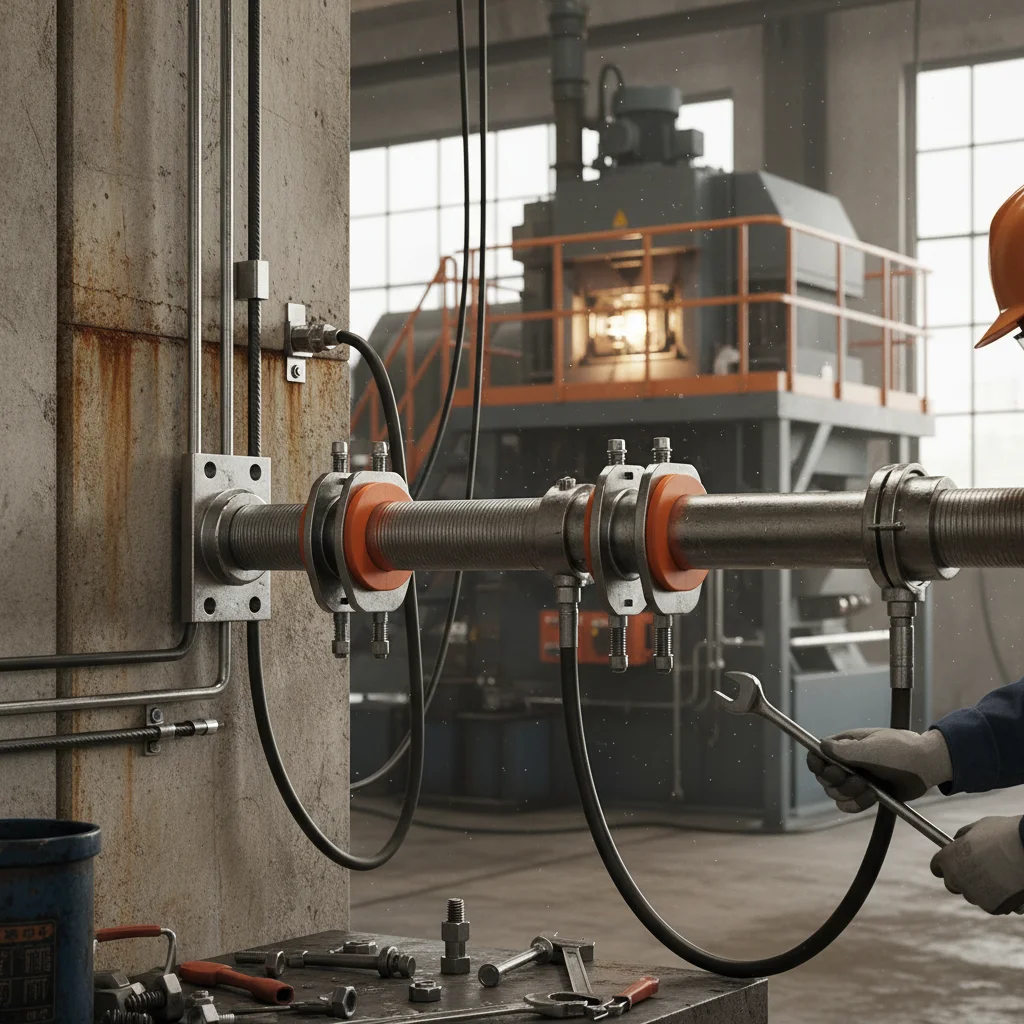
Finally, dealing with vibration in high-pressure systems often requires a hybrid approach. By combining the 1 2 copper pipe hanger with elastomeric gaskets, installers can decouple the piping from the building structure, eliminating noise transmission and reducing fatigue-induced cracks in the copper solder joints.
Comparative Analysis of 1 2 Copper Pipe Hanger Specifications
| Material Type |
Corrosion Resistance |
Load Capacity |
Installation Speed |
| Galvanized Steel |
Moderate |
High |
Fast |
| Stainless Steel |
Excellent |
Very High |
Moderate |
| Copper Plated |
High (Compatible) |
Moderate |
Fast |
| Plastic Coated |
High |
Moderate |
Very Fast |
| Heavy Duty Alloy |
Moderate |
Extreme |
Slow |
| Aluminum Alloy |
Moderate |
Moderate |
Fast |
FAQS
For coastal environments, stainless steel is highly recommended. The salt-laden air accelerates corrosion in galvanized steel, whereas stainless steel (particularly Grade 316) provides the necessary oxidation resistance to prevent the hanger from failing and causing the copper pipe to sag or leak.
It is not advised. Standard steel clamps can cause galvanic corrosion when in direct contact with copper. A dedicated copper pipe hanger is either plated or lined with a protective material to isolate the dissimilar metals, ensuring the long-term structural integrity of the piping.
While local codes vary, the general industry standard for 1/2 inch copper tubing is to place a support every 6 to 10 feet. Proper spacing prevents the pipe from bowing under the weight of the water, which minimizes stress on solder joints and prevents noise.
Rubber inserts are highly beneficial for reducing noise (vibration damping) and preventing scratching of the copper surface. They are especially important in HVAC condensate lines or high-pressure water systems where thermal expansion is significant.
Plastic hangers are generally sufficient for light-duty residential applications and offer excellent corrosion resistance. However, for industrial settings or pipes carrying heavy fluids, metal hangers (stainless or galvanized) are required to meet safety and load-bearing standards.
Ensure you are using a hanger specifically sized for 1/2 inch copper. If sliding occurs, check if the pipe is perfectly level; using an adjustable hanger allows you to create a slight pitch that secures the pipe naturally, or use a locking-style hanger for permanent fixtures.
Conclusion
The 1 2 copper pipe hanger may seem like a small component, but it is the linchpin of a reliable plumbing infrastructure. From preventing galvanic corrosion and reducing structural vibration to ensuring compliance with global safety standards, the right support system protects the investment of the entire building. By prioritizing material quality and precise installation, contractors can ensure a leak-free, quiet, and durable water delivery system.
Looking forward, the integration of sustainable materials and BIM technology will continue to refine how these supports are used. We encourage engineers and developers to move away from generic fasteners and adopt specialized copper pipe supports to enhance the longevity of their projects. For more professional fastening solutions, visit our website: www.topfastener.com.