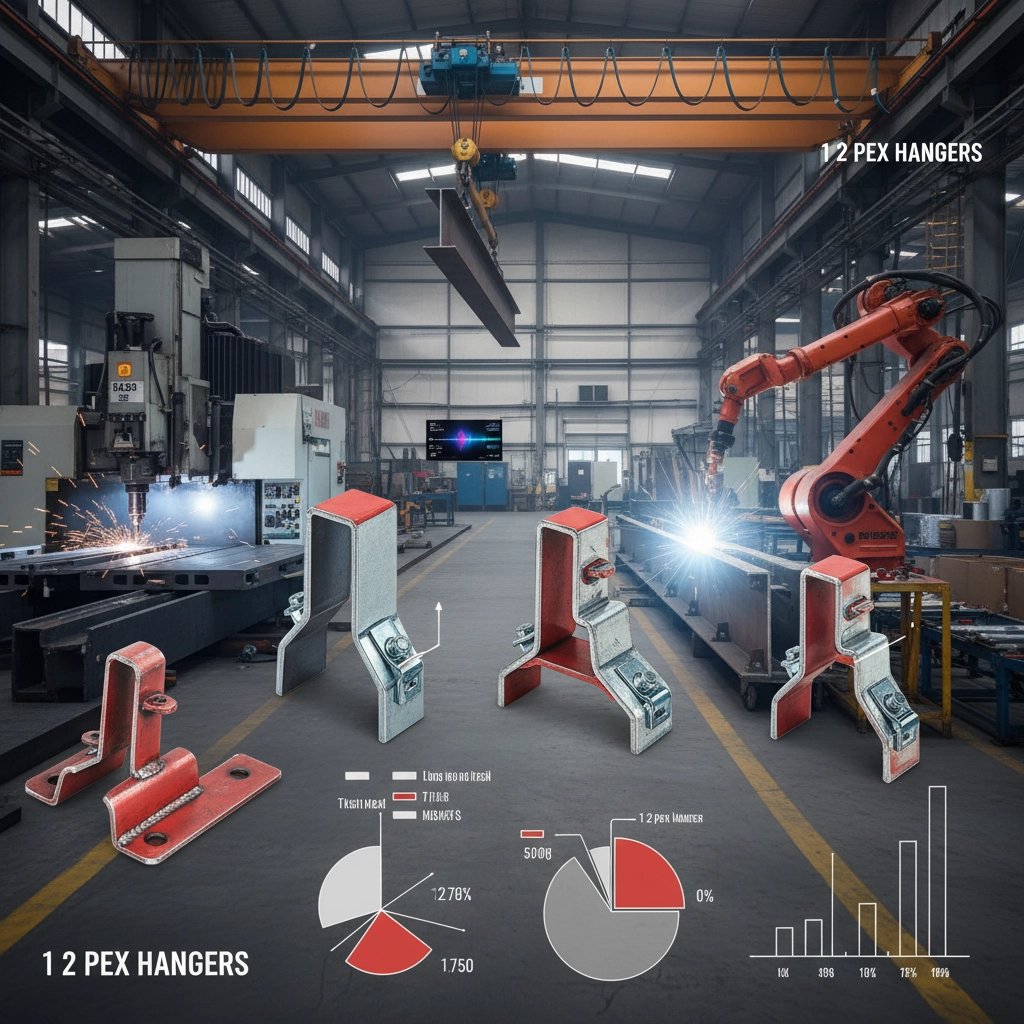
When it comes to modern plumbing and fluid transport systems, the stability of piping is paramount. The use of 1 2 pex hangers has revolutionized how technicians secure cross-linked polyethylene pipes, ensuring that thermal expansion and contraction do not compromise the structural integrity of the installation. These specialized supports prevent sagging and vibration, which are critical factors in reducing long-term wear and noise within residential and industrial walls.
From a global construction perspective, the shift toward PEX tubing requires a corresponding evolution in fastening hardware. Standard clamps often fail to account for the flexibility of the material, making the precision engineering of 1 2 pex hangers essential for meeting strict building codes and ISO quality standards. By providing a secure yet adaptable grip, these hangers minimize the risk of leaks and burst pipes caused by excessive stress points.
Understanding the technical nuances of these support systems allows contractors to increase installation speed while enhancing the lifespan of the plumbing network. Whether integrated into high-rise developments or remote industrial zones, the deployment of high-quality 1 2 pex hangers represents a commitment to safety, efficiency, and sustainable engineering in the modern built environment.
Global Relevance of 1 2 Pex Hangers
In the current global construction landscape, the demand for efficient water distribution systems has surged. The adoption of PEX piping is now a worldwide standard due to its corrosion resistance and flexibility. Consequently, the reliance on precision-engineered 1 2 pex hangers has become critical to ensure these systems operate without failure across diverse climates, from the freezing temperatures of Northern Europe to the humid tropics of Southeast Asia.
Industry statistics suggest that a significant percentage of plumbing failures are not caused by the pipe material itself, but by improper support. By implementing standardized 1 2 pex hangers, engineers can mitigate the risks of pipe sagging and "water hammer" effects, which are often cited in ISO structural safety reports as primary causes of premature system degradation.
Technical Definition and Industrial Meaning
At its most basic level, 1 2 pex hangers are specialized fasteners designed to hold 1/2 inch PEX (cross-linked polyethylene) tubing securely against a substrate, such as wood studs or metal framing. Unlike traditional rigid clamps, these hangers are engineered to provide a balance between firm support and the ability to allow the pipe to expand and contract as water temperatures fluctuate.
In an industrial context, these components are more than just "clips"; they are essential elements of a building's mechanical, electrical, and plumbing (MEP) infrastructure. The "1 2" designation refers to the nominal diameter of the tubing it supports, ensuring a snug fit that prevents the tubing from sliding or rubbing against abrasive surfaces, which could lead to thinning of the pipe wall over time.
The meaning of these hangers extends to humanitarian and rapid-deployment housing as well. In areas requiring fast-tracked infrastructure, such as post-disaster relief zones, the use of standardized 1 2 pex hangers allows for the rapid deployment of potable water systems that are both hygienic and structurally sound, proving that small hardware components play a massive role in global health and safety.
Core Components of High-Quality Hangers
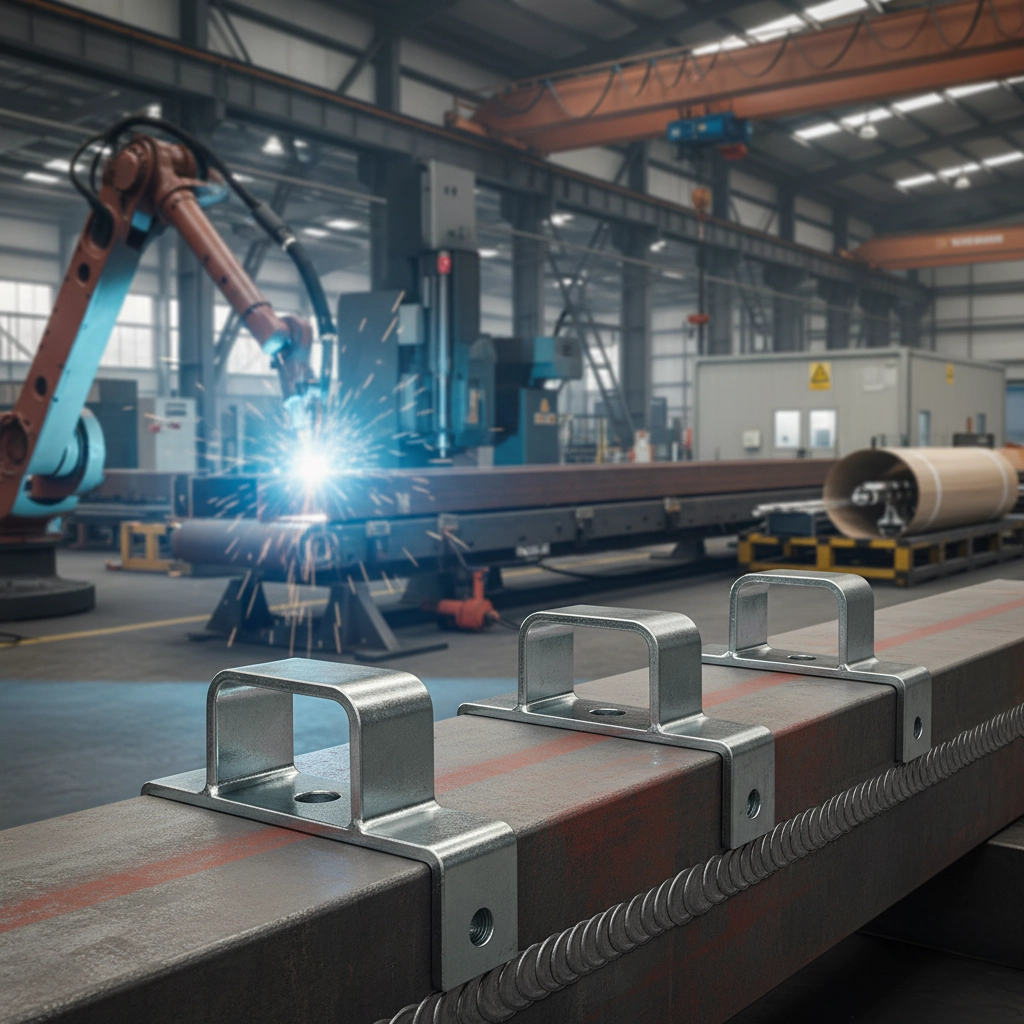
Durability is the cornerstone of any fastening system. High-grade 1 2 pex hangers are typically manufactured from UV-stabilized polymers or galvanized steel to prevent corrosion. This ensures that the hanger does not degrade when exposed to moisture or chemicals commonly found in construction environments, maintaining its grip for decades.
Scalability and installation efficiency are equally important. Modern 1 2 pex hangers often feature a "snap-in" design, which allows a single technician to secure miles of tubing without the need for complex tools. This reduces labor costs significantly while ensuring consistent spacing and alignment across the entire project.
Finally, the consideration of material compatibility cannot be overlooked. Because PEX is a flexible polymer, the 1 2 pex hangers must have smooth inner edges to avoid creating stress concentrations or "pinch points." This scientific approach to geometry prevents the tubing from kinking, which would otherwise restrict flow and increase pressure on the pump system.
Global Applications and Use Cases
The application of 1 2 pex hangers spans across various sectors. In residential construction, they are the invisible backbone of underfloor heating systems and potable water lines. In North America and Europe, where building codes are stringent, these hangers are mandatory to ensure that plumbing remains organized and accessible for future maintenance.
Beyond the home, these supports are used in remote industrial zones, such as mining camps or offshore platforms, where reliability is non-negotiable. In these high-vibration environments, the damping properties of polymer-based 1 2 pex hangers help absorb mechanical shocks, preventing the pipes from rattling against the structural frame and reducing the risk of fatigue failure.
Comparative Performance of PEX Support Methods
Long-Term Value and Reliability
The long-term value of investing in premium 1 2 pex hangers lies in the reduction of lifecycle costs. While cheaper alternatives may seem attractive during the initial procurement phase, they often lead to "pipe creep" or sagging, which can cause water to pool in certain sections of the line. This not only reduces flow efficiency but can also lead to bacterial growth or air pockets in the system.
Moreover, the psychological value of trust and safety cannot be overstated. For a homeowner or a facility manager, knowing that the infrastructure is secured with industry-leading 1 2 pex hangers provides peace of mind. It transforms a simple plumbing job into a professional installation that enhances the overall asset value of the property through demonstrated quality and adherence to engineering best practices.
Future Innovations in PEX Support
As the world moves toward "Green Building" certifications (like LEED), the materials used in 1 2 pex hangers are evolving. We are seeing a shift toward bio-based polymers and recycled plastics that maintain the same tensile strength as traditional materials but with a significantly lower carbon footprint. This aligns with the global goal of achieving net-zero emissions in the construction sector.
Digital transformation is also touching the world of fasteners. Smart installation techniques, where the spacing of 1 2 pex hangers is optimized via BIM (Building Information Modeling) software, allow for the exact amount of hardware to be used—reducing waste and ensuring that every support is placed at the optimal structural node.
Furthermore, automation in manufacturing is allowing for tighter tolerances in the production of these hangers. This means that the "grip" of the 1 2 pex hangers is more consistent, reducing the variance in performance across different batches and ensuring that every single clip provides the same level of protection and support.
Overcoming Installation Challenges
One of the most common challenges in the field is the "over-tightening" of supports, which can crush the PEX pipe and restrict water flow. The solution lies in using specialized 1 2 pex hangers that feature a built-in stop or a flexible cradle. These designs ensure that the pipe is held firmly enough to prevent movement but not so tightly that it compromises the pipe's internal diameter.
Another hurdle is installation in tight, inaccessible spaces. Expert insights suggest that employing "nail-in" style 1 2 pex hangers can drastically reduce the time spent in crawlspaces. By integrating the fastener and the hanger into one piece, the technician can secure the pipe in a single motion, eliminating the need for separate screws and anchors.
Lastly, managing thermal expansion in long runs of piping is a frequent pain point. The innovative approach is to use a combination of fixed 1 2 pex hangers and sliding supports. By allowing the pipe to glide slightly within the hanger, the system can absorb the stresses of temperature changes without warping the pipes or damaging the walls.
Comparative Analysis of 1 2 Pex Hanger Material Specifications
| Material Type |
Corrosion Resistance |
Installation Speed |
Load Capacity |
| Polypropylene |
Excellent (10/10) |
Very High (9/10) |
Moderate (6/10) |
| Galvanized Steel |
Good (7/10) |
Moderate (6/10) |
Very High (10/10) |
| Stainless Steel |
Superior (10/10) |
Low (5/10) |
Maximum (10/10) |
| ABS Plastic |
High (8/10) |
High (8/10) |
Low (5/10) |
| Zinc-Plated Alloy |
Fair (6/10) |
Moderate (7/10) |
High (8/10) |
| Eco-Polymer |
Excellent (9/10) |
Very High (9/10) |
Moderate (7/10) |
FAQS
Generally, for 1/2 inch PEX tubing, hangers should be placed every 32 inches horizontally and every 4 feet vertically. However, this can vary based on local building codes and the temperature of the water being transported. Closer spacing is recommended for hot water lines to prevent excessive sagging due to thermal expansion.
Yes, you can, but plastic hangers are often preferred because they are non-corrosive and provide a smoother interface for the flexible tubing. If you use metal hangers, ensure they are galvanized or stainless steel to prevent rust and check that the edges are deburred to avoid cutting into the PEX wall.
Absolutely. The "ticking" or clicking sound is caused by the pipe rubbing against wood or metal as it expands. High-quality hangers isolate the pipe from the structure and provide a controlled environment for expansion, significantly reducing noise pollution within the building.
Yes, 1 2 pex hangers are designed for the standard 1/2 inch outside diameter, which is consistent across PEX-A, PEX-B, and PEX-C. The primary difference between these tubing types is the cross-linking method, not the size, so the support hardware remains the same.
Nail-in hangers are best for rapid installation in residential framing where speed is the priority. Screw-in hangers are preferred for heavy-duty industrial applications or where the pipes may need to be adjusted or removed in the future, as they provide a more secure, removable connection.
They can, provided they are UV-resistant. Standard indoor plastic hangers may become brittle when exposed to direct sunlight. For outdoor use, always specify UV-stabilized polymer or stainless steel hangers to ensure long-term structural integrity.
Conclusion
In summary, 1 2 pex hangers are far more than simple plumbing accessories; they are critical engineering components that ensure the safety, longevity, and efficiency of modern fluid transport systems. From mitigating thermal expansion and reducing acoustic noise to meeting global ISO and building standards, these supports provide the necessary stability that allows PEX piping to perform at its peak. By focusing on material durability and installation precision, contractors can ensure a leak-free environment that stands the test of time.
Looking ahead, the integration of sustainable materials and BIM-optimized placement will further elevate the role of these fasteners in the construction industry. Whether you are managing a large-scale commercial project or a residential renovation, choosing high-quality support hardware is an investment in the reliability of the entire infrastructure. We encourage all industry professionals to prioritize precision-engineered solutions to enhance both operational safety and environmental sustainability. Visit our website: www.topfastener.com