Achieving the optimal copper pipe hanger spacing is critical for ensuring the structural integrity and longevity of plumbing and HVAC systems worldwide. When supports are placed too far apart, copper piping is susceptible to sagging, which can lead to trapped moisture, uneven thermal expansion, and eventual joint failure. By adhering to precise spacing standards, engineers and contractors can prevent costly leaks and maintain the hydraulic efficiency of the network.
From a global perspective, the precision of pipe support systems reflects the broader industrial shift toward sustainable infrastructure. Improper copper pipe hanger spacing doesn't just risk a single pipe; it jeopardizes the safety of the entire building envelope and increases the lifetime maintenance cost of the facility. Understanding the variables—such as pipe diameter, temperature, and load—is essential for any professional aiming to meet international building codes.
In this comprehensive guide, we explore the technical nuances of calculating the correct copper pipe hanger spacing and the impact of using high-quality fasteners and hangers. Whether you are managing a residential project or a massive industrial installation, mastering these spacing requirements ensures a system that is safe, durable, and fully compliant with global engineering standards.

Global Standards for Copper Pipe Hanger Spacing
On a global scale, the regulation of copper pipe hanger spacing is governed by a combination of ISO standards and local building codes, such as the UPC (Uniform Plumbing Code) or ASTM international guidelines. These standards are not arbitrary; they are based on the physical properties of copper—specifically its modulus of elasticity and its tendency to creep over time under constant load. Following these benchmarks ensures that piping systems in skyscrapers or industrial plants do not succumb to gravitational stress.
Failure to adhere to these spacing protocols often results in "sagging," where the pipe dips between supports. This is particularly dangerous in condensate lines or sloped drainage pipes, where a deviation of just a few centimeters can stop the flow of water, leading to backups and biological growth. By implementing a standardized approach to copper pipe hanger spacing, the construction industry minimizes the risk of structural failure and optimizes the lifecycle of the copper assets.
Technical Definitions and Engineering Logic
In technical terms, copper pipe hanger spacing refers to the maximum allowable linear distance between two consecutive support points that hold a copper tube in place. This spacing is designed to keep the deflection of the pipe within a specific limit—typically ensuring that the pipe does not sag more than 1/240 of the span. This prevents the pipe from becoming a "trap" for liquids and reduces the mechanical stress on soldered or pressed joints.
The engineering logic behind this is rooted in the balance between material cost and structural safety. While placing hangers every few inches would provide maximum stability, it would be economically unviable and labor-intensive. Therefore, the industry uses calculated tables based on the pipe's nominal diameter. A smaller 1/2-inch copper pipe requires more frequent support than a 2-inch pipe because the larger diameter possesses greater inherent rigidity and resistance to bending.
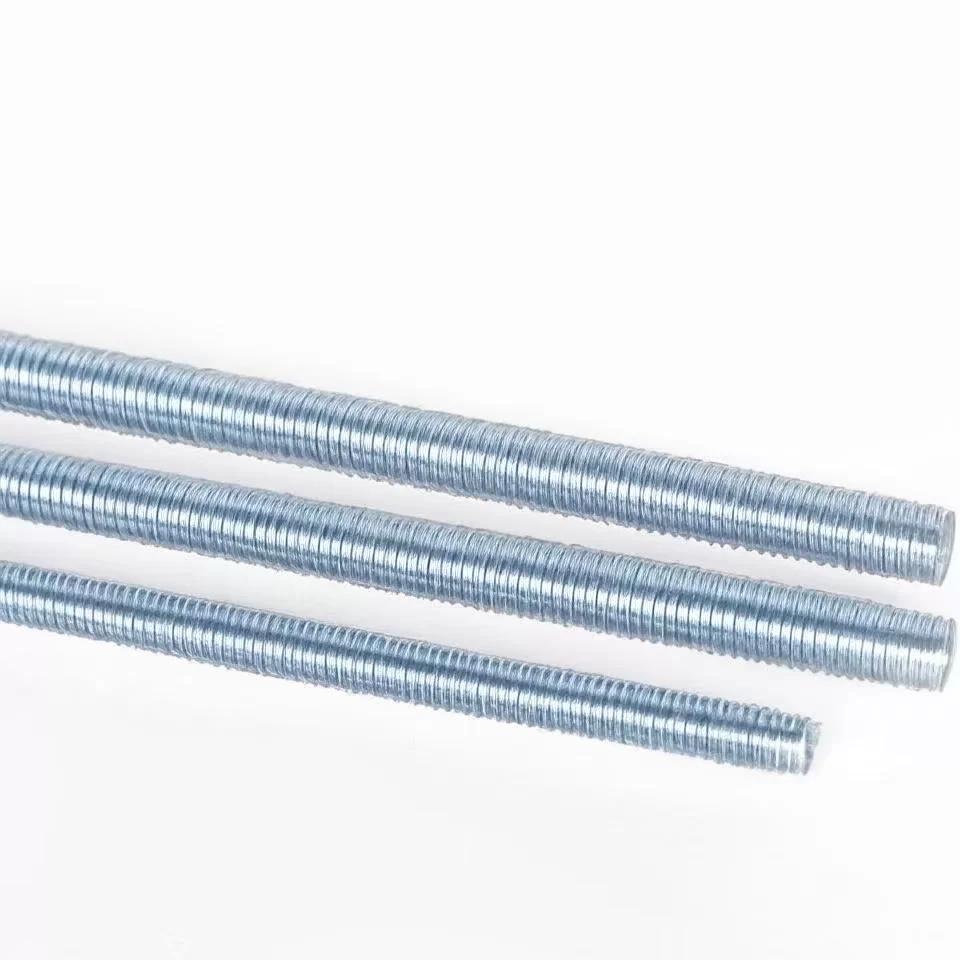
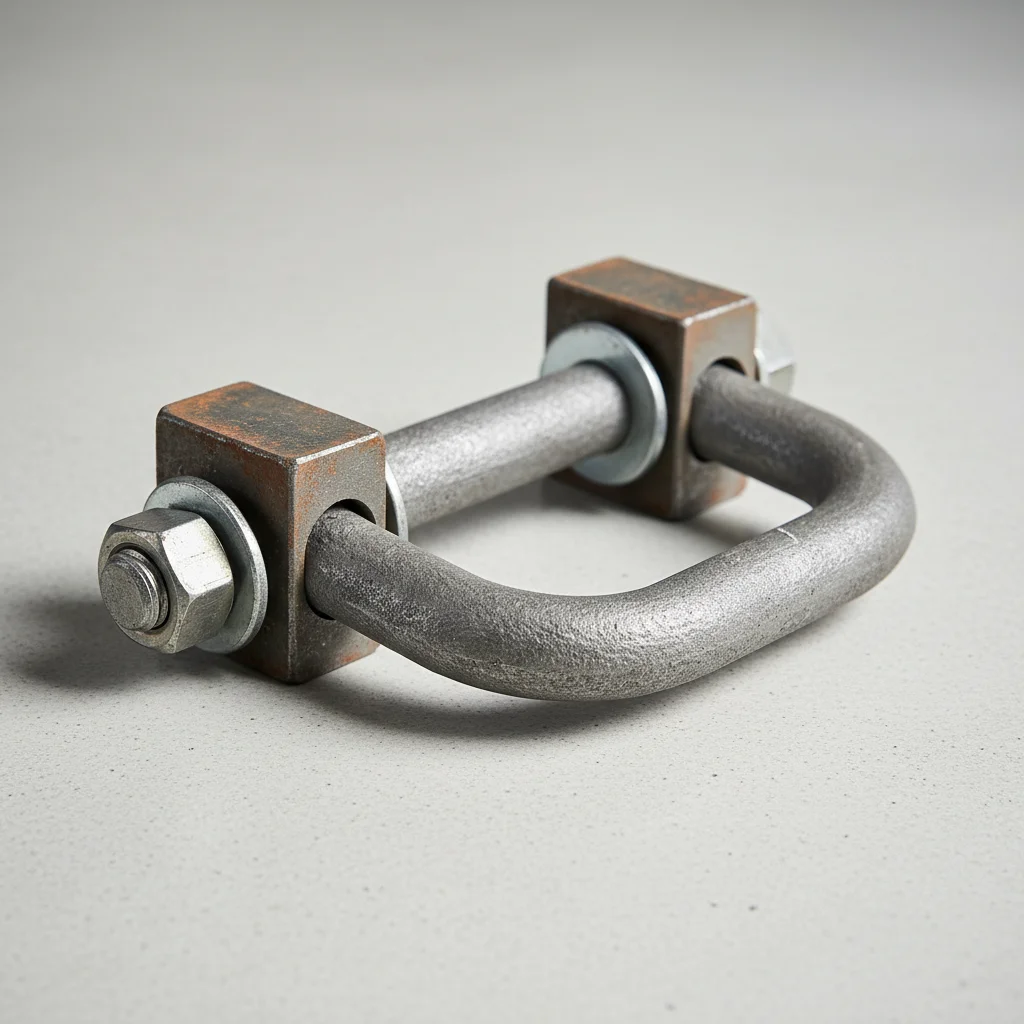
Furthermore, this spacing is inextricably linked to the type of hanger used. Whether utilizing C-clamps, riser clamps, or specialized bolt-on supports from our Bolt Series, the interaction between the hanger material and the copper pipe must be managed to avoid galvanic corrosion. Proper copper pipe hanger spacing, combined with the right insulating materials, ensures that the pipe remains secure without being crushed or eroded by the support mechanism itself.
Critical Factors Influencing Support Intervals
One of the primary drivers for determining copper pipe hanger spacing is the operational temperature of the fluid inside the pipe. Copper expands and contracts significantly when exposed to heat. In hot water systems, if hangers are placed too rigidly or too far apart, the thermal expansion can cause the pipe to bow or put immense pressure on the wall penetrations.
Another critical factor is the pipe's orientation. Horizontal runs require strict copper pipe hanger spacing to prevent sagging, whereas vertical risers are primarily concerned with supporting the dead weight of the water column and the pipe itself. In vertical installations, the spacing focuses on preventing the pipe from buckling under its own weight and ensuring stability against seismic vibrations.
Finally, the weight of the insulation plays a role. When thick fiberglass or foam insulation is added to a copper line, the total load per linear foot increases. This additional weight necessitates a reduction in copper pipe hanger spacing to maintain the same deflection limits. Engineers must account for the "wet weight" of the system to ensure the supports do not fail under full capacity.
Practical Application and Cost Efficiency
In the field, applying the correct copper pipe hanger spacing is a balancing act between labor costs and long-term reliability. Over-supporting a system leads to wasted materials and increased installation time, while under-supporting leads to expensive rework and potential insurance claims due to water damage. The goal is to find the "sweet spot" defined by the pipe's diameter and the environment.
By utilizing standardized hardware from categories like Pipe Hangers And Supports, contractors can quickly implement these spacing rules. For instance, using a predetermined grid of anchor bolts allows the team to maintain consistent copper pipe hanger spacing across thousands of linear feet of piping, reducing human error and ensuring that the final inspection meets all regulatory requirements.
Effectiveness of Different Copper Pipe Hanger Spacing Methods
Industrial Use Cases Across Global Regions
In highly seismic regions, such as Japan or the Western United States, copper pipe hanger spacing is significantly tighter than in stable geological zones. The reason is simple: vibration. During an earthquake, pipes can whip violently; tighter spacing and the use of rigid bracing prevent the pipes from shaking themselves loose from their joints. This application demonstrates how spacing is not just about gravity, but about dynamic force management.
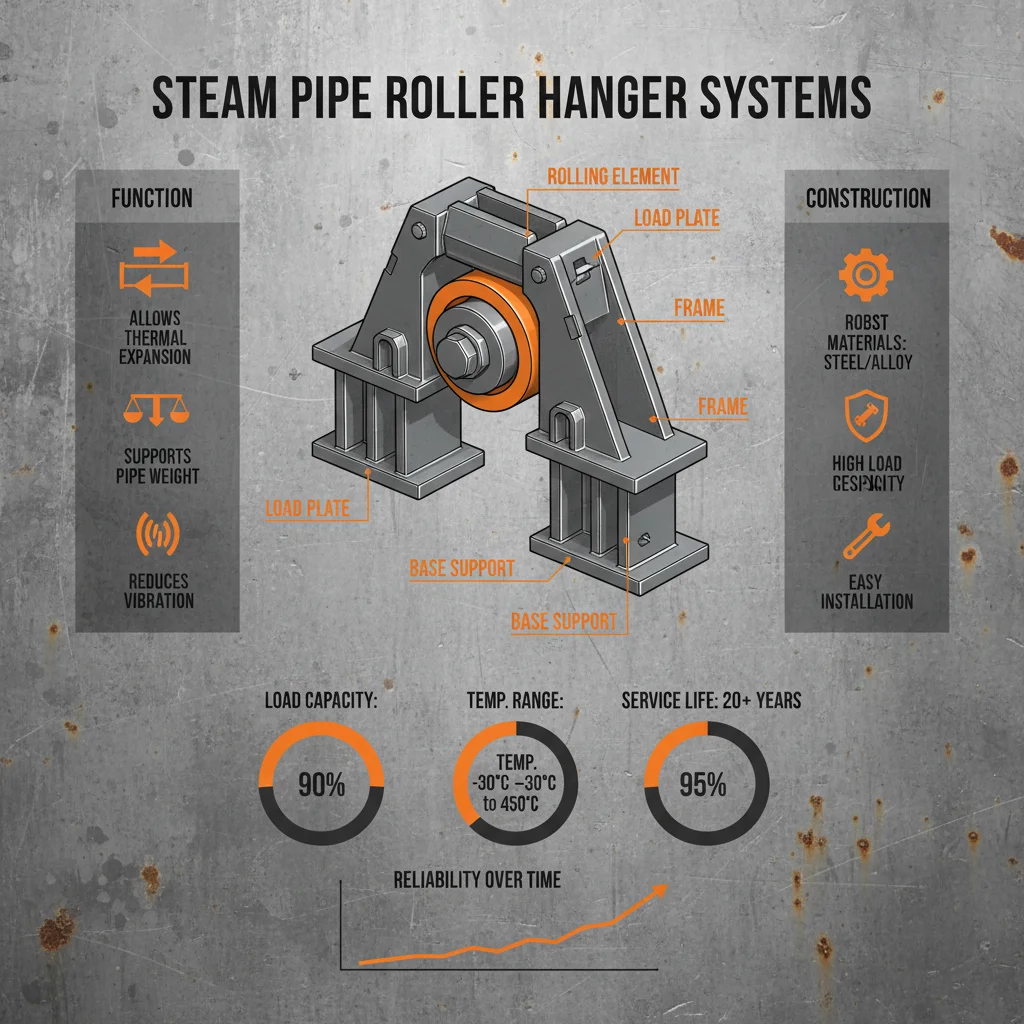
Conversely, in large-scale industrial zones in Southeast Asia or the Middle East, where copper piping is often used for specialized cooling systems in extreme heat, the spacing must account for massive thermal expansion. Here, "sliding" supports are used at specific copper pipe hanger spacing intervals, allowing the pipe to move longitudinally while remaining securely supported vertically. This prevents the pipes from buckling under intense temperature swings.
Long-Term Reliability and Safety Value
The true value of adhering to precise copper pipe hanger spacing is revealed years after the project is completed. A system that is properly supported experiences far less stress on its solder joints and fittings. In contrast, pipes with excessive spacing develop "belly" sections where sediment and corrosive agents can collect, leading to localized pitting and eventual pinhole leaks that can devastate a building's interior.
Moreover, the safety implications are profound. In commercial settings, a collapsed pipe run can lead to catastrophic flooding or, in the case of medical gas lines, a total loss of life-saving services. Trust in an engineering firm is built on these invisible details. By prioritizing copper pipe hanger spacing, a contractor proves their commitment to quality and professional dignity.
From a sustainability angle, properly spaced pipes last longer, reducing the need for premature replacement and the environmental cost associated with mining and refining new copper. This logical approach to maintenance—preventing the problem through correct initial installation—is the hallmark of modern, sustainable construction.
Future Trends in Pipe Support Technology
As we move toward "Smart Buildings," the concept of copper pipe hanger spacing is integrating with IoT technology. We are seeing the emergence of "smart hangers" equipped with strain gauges that can alert facility managers if a pipe is sagging or if a support has failed. This transforms the spacing from a static installation rule into a dynamic, monitored system.
Furthermore, the shift toward green energy is introducing new materials into the support ecosystem. Composite materials and high-strength alloys are being developed to reduce the weight of the hangers themselves while maintaining the necessary rigidity. This allows for a slight increase in copper pipe hanger spacing without compromising safety, potentially reducing the overall carbon footprint of the construction process.
Digital Twin technology is also revolutionizing how we plan these systems. Before a single bolt is tightened, BIM (Building Information Modeling) software can simulate the weight and thermal load of a piping network to determine the mathematically perfect copper pipe hanger spacing for every single run, eliminating guesswork and ensuring 100% compliance with international safety codes.
Comparison of Copper Pipe Support Requirements by Pipe Diameter
| Pipe Nominal Diameter | Max Recommended Spacing | Support Rigidity Level | Risk of Sagging (1-10) |
|---|
| 1/2 inch | 5 - 6 feet | High | 9 |
| 3/4 inch | 6 - 7 feet | Moderate | 7 |
| 1 inch | 7 - 8 feet | Moderate | 5 |
| 1 1/4 inch | 8 - 9 feet | Low | 4 |
| 1 1/2 inch | 9 - 10 feet | Low | 3 |
| 2 inch | 10 - 12 feet | Very Low | 2 |
FAQS
Correct spacing prevents the pipe from sagging, which is critical in HVAC condensate lines to ensure water flows correctly via gravity. Without proper spacing, "pockets" form in the pipe, leading to standing water, mold growth, and potential leaks that can damage ceilings and walls.
Yes, absolutely. Hot water causes copper to expand. If spacing is too tight with rigid supports, the pipe may buckle. If it is too wide, the thermal expansion can cause exaggerated bowing. Engineers use a combination of fixed and sliding supports to manage this movement while maintaining structural stability.
While safer from a sag perspective, over-supporting can lead to excessive friction and stress during thermal expansion. It also increases material costs and installation time. The goal is to follow the diameter-based guidelines to ensure a balanced, professional installation.
Yes, and it is often recommended. For example, you might use a rigid riser clamp at the start of a vertical run and sliding hangers for the horizontal run to allow for thermal expansion. However, ensure all hangers are compatible with copper to avoid galvanic corrosion.
Insulation adds weight to the overall system. In heavy industrial applications, this extra load can increase the deflection of the pipe, meaning you may need to reduce the spacing between hangers to compensate for the added weight of the insulation material.
Official tables are typically found in the Uniform Plumbing Code (UPC), International Plumbing Code (IPC), or ASTM standards. These tables provide specific distance requirements based on the nominal pipe size and the orientation (horizontal vs. vertical).
Conclusion
Mastering copper pipe hanger spacing is a fundamental requirement for any high-quality plumbing or industrial installation. By understanding the relationship between pipe diameter, thermal expansion, and gravitational load, professionals can create systems that are not only compliant with global standards but are inherently resistant to failure. The integration of high-quality hardware—from anchor bolts to specialized pipe supports—ensures that these spacing calculations are translated into a secure, long-lasting physical reality.
Looking forward, the industry will continue to move toward smarter, more sustainable support systems. Whether through the use of BIM modeling for precision planning or the adoption of IoT-enabled monitoring, the goal remains the same: maximizing reliability while minimizing waste. We encourage all contractors and engineers to prioritize these technical details to ensure the safety and dignity of the structures they build. For industry-leading fasteners and supports, visit our website: www.topfastener.com