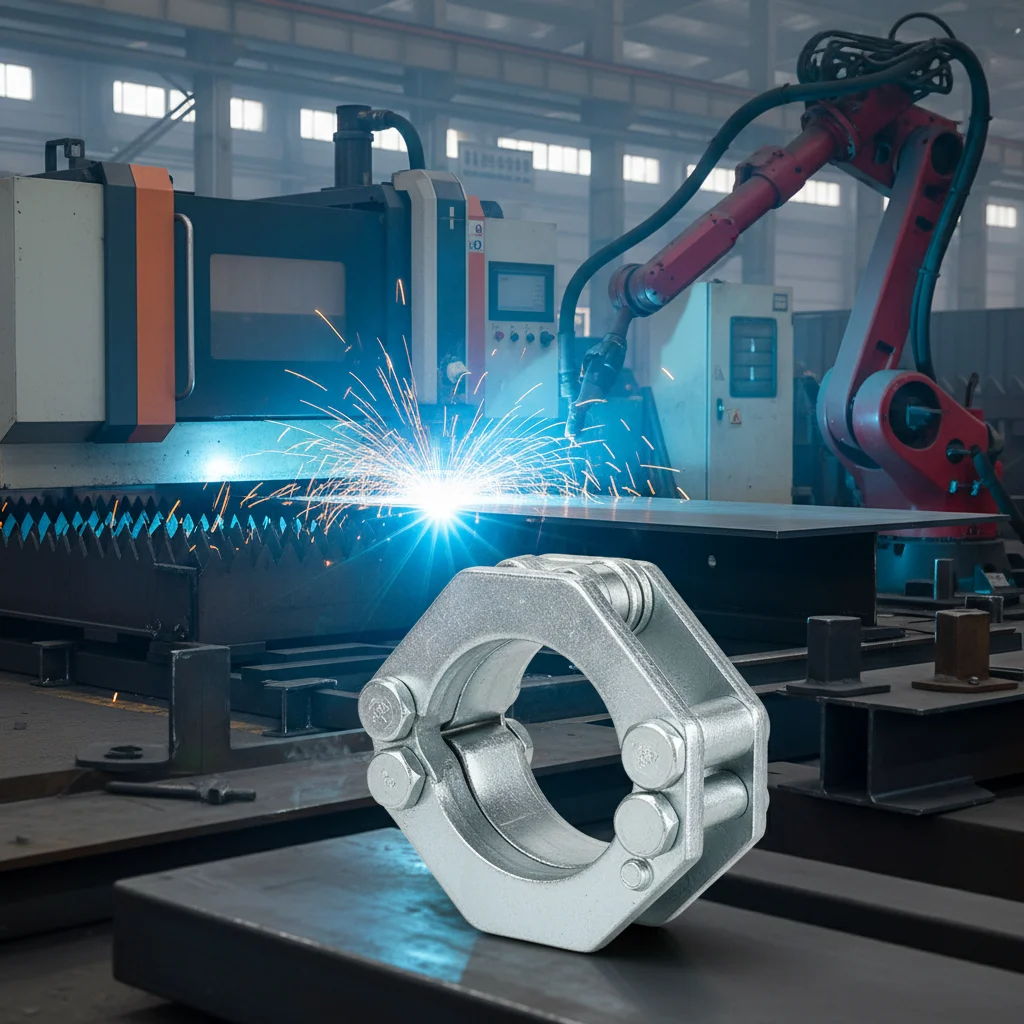
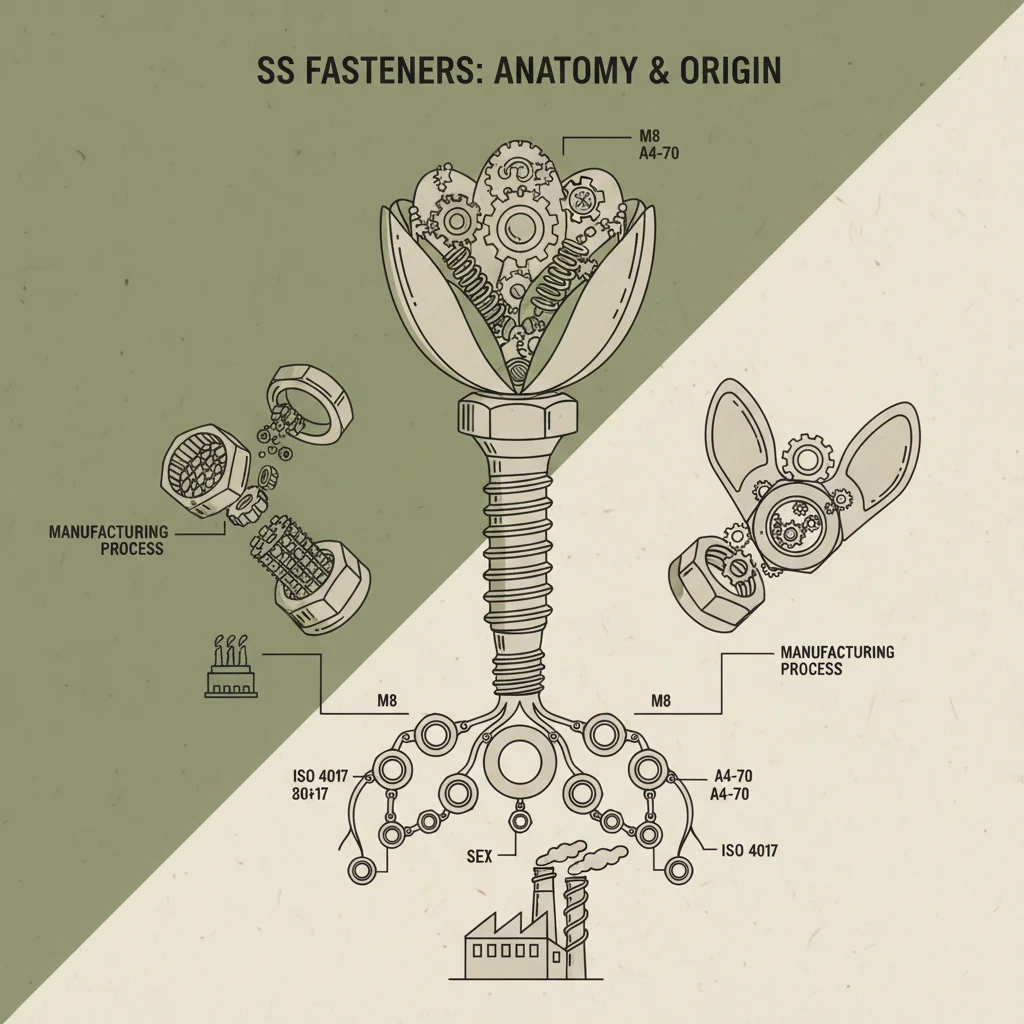
In the complex world of industrial infrastructure and structural support, the role of specialized fastening components is often overlooked despite their critical importance. The stability of large-scale piping systems relies heavily on the precision and strength of components like pipe wale shoes, which ensure that weight is distributed evenly and structural integrity is maintained under extreme pressure. Understanding these components is the first step toward optimizing industrial safety and longevity.
Across the global manufacturing landscape, the demand for high-grade metal fasteners has surged as urban infrastructure expands and industrial plants become more complex. The integration of standardized materials and rigorous testing protocols ensures that these structural elements can withstand the diverse environmental challenges found in petrochemical, energy, and construction sectors. From carbon steel to high-grade stainless steel, the choice of material determines the lifecycle of the entire assembly.
For engineers and procurement specialists, sourcing reliable pipe wale shoes means balancing cost-efficiency with uncompromising safety standards. By adhering to international standards such as ISO, DIN, and ASTM, manufacturers can guarantee that every piece fits perfectly within the broader structural framework, reducing the risk of mechanical failure and minimizing maintenance downtime in high-stakes industrial environments.

Global Relevance of Pipe Wale Shoes
The global industrial sector operates under strict safety mandates, where the failure of a single support component can lead to catastrophic losses. Pipe wale shoes play a pivotal role in mitigating these risks by providing a stable interface between piping systems and their supporting structures, ensuring that thermal expansion and mechanical vibrations do not compromise the system.
As global infrastructure projects migrate toward more sustainable and high-pressure designs, the reliance on ISO and ASTM compliant fasteners has become a benchmark for quality. The ability to standardize these components allows for seamless international trade and installation, ensuring that a project in Asia meets the same safety rigor as one in North America or Europe.
Technical Definition and Industrial Purpose
In simple technical terms, pipe wale shoes are specialized support components designed to elevate pipes from their supporting beams or sleepers. This elevation is crucial for preventing corrosion at the contact point and allowing for the application of insulation materials around the pipe, which is essential for maintaining temperature control in fluid transport.
From an industrial perspective, these components solve the challenge of point-loading. Without a properly engineered shoe, the weight of a filled pipe would concentrate on a small surface area, potentially warping the pipe wall or damaging the support beam. By distributing the load, these supports ensure structural stability across the entire length of the pipeline.
Furthermore, they are essential in environments where pipes must slide during thermal expansion. By utilizing specific materials and surface treatments, these shoes reduce friction, allowing the pipeline to "breathe" without putting undue stress on the welded joints or the anchoring points of the facility.
Core Material Specifications and Durability
The durability of pipe wale shoes is fundamentally tied to the chemistry of the metals used. Depending on the environment, materials range from standard Q235 carbon steel for general applications to high-strength alloys like 40Cr and B7 for high-pressure scenarios, and A2 or A4 stainless steel for corrosive saltwater or chemical environments.
To prevent oxidation and premature failure, pipe wale shoes are treated with various surface finishes. BZP (Bright Zinc Plated) and YZP (Yellow Zinc Plated) are common choices for moisture resistance, while customizable coatings can be applied for extreme oceanic or acidic conditions, ensuring a long service life without frequent replacements.
Moreover, the adherence to grades such as 4.8, 8.8, and 10.9 ensures that the mechanical strength of the fasteners used in conjunction with the shoes is matched to the load requirements. This systematic approach to material selection prevents the common issue of "over-engineering" while eliminating the danger of under-specifying critical supports.
Performance Factors in Structural Support
When evaluating the efficiency of structural supports, engineers look at load-bearing capacity and corrosion resistance as the primary KPIs. The ability of a support system to maintain its shape under a constant load of several tons determines the overall safety rating of the plant's piping network.
Another critical factor is the precision of the sizing, ranging from M8 to M30, which allows for a modular approach to installation. This flexibility ensures that whether a small-diameter utility line or a massive main trunk line is being installed, the support system remains consistent and predictable.
Performance Comparison of Support Methods
Global Applications and Use Cases
In real-world applications, these supports are indispensable in oil refineries and chemical processing plants across the Middle East and North America. In these regions, extreme temperature fluctuations require materials that can expand and contract without losing their structural grip, making high-grade alloy shoes a necessity.
Similarly, in offshore drilling rigs in the North Sea, the saltwater environment demands A4 stainless steel components to prevent rapid galvanic corrosion. Here, the use of standardized pipe wale shoes ensures that replacement parts can be sourced and installed quickly, minimizing the risk of expensive operational shutdowns.
Long-Term Value and Reliability
The long-term value of investing in high-quality fasteners and supports is measured in the reduction of lifecycle costs. While cheaper, non-standardized alternatives might lower initial CAPEX, the subsequent cost of corrosion-related failures and emergency repairs far outweighs the initial savings.
Reliability also translates to safety and dignity for the workforce. Knowing that the overhead piping systems are secured by components that meet ASME and BS standards provides peace of mind to technicians and operators who work beneath these systems daily.
Moreover, the use of certified materials simplifies the auditing process for insurance and safety compliance. When a facility can prove that its pipe supports are manufactured in a certified factory with traceable material grades (like 40Cr or 20MnTiB), it significantly lowers its risk profile.
Future Trends in Fastening Technology
The future of industrial supports is moving toward "smart" materials and digital twin integration. We are seeing the emergence of supports with embedded sensors that can detect stress levels or corrosion in real-time, allowing for predictive maintenance rather than reactive repairs.
Sustainability is also driving the shift toward greener plating processes. The industry is moving away from traditional hexavalent chromium coatings toward more eco-friendly trivalent zinc plating, reducing the environmental footprint of the manufacturing process without sacrificing the protective qualities of the finish.
Automation in the production of these components, through advanced CNC machining and robotic welding, is ensuring that tolerances are tighter than ever. This precision reduces installation time and eliminates the need for on-site modifications, further streamlining the construction of modern industrial plants.
Comparison of Material Grades for Structural Support
| Material Grade |
Corrosion Resistance |
Load Capacity |
Typical Application |
| Q235 Carbon Steel |
Low (Requires Plating) |
Medium |
Indoor utility piping |
| 40Cr Alloy Steel |
Medium |
High |
High-pressure steam lines |
| A2 Stainless Steel |
High |
Medium |
Food & Pharmaceutical |
| A4 Stainless Steel |
Very High |
Medium |
Marine & Offshore |
| B7 Steel |
Medium |
Very High |
Heavy Industrial Frames |
| 20MnTiB |
Medium |
High |
Automated structural rigs |
FAQS
The primary difference lies in corrosion resistance and strength. Carbon steel is cost-effective and strong but requires plating (like BZP or YZP) to prevent rust. Stainless steel (A2/A4) contains chromium, providing inherent resistance to oxidation and chemicals, making it ideal for marine or pharmaceutical environments where plating would eventually fail.
Selection should be based on the total weight of the pipe (filled), the operating temperature, and the environmental exposure. We offer sizes from M8 to M30 and grades from 4.8 to 10.9. Consult your structural engineer to determine the required load capacity and match it with our grade specifications (e.g., Grade 10.9 for maximum strength).
Yes, our products are manufactured to strictly adhere to global standards including ISO, DIN, ANSI, ASME, ASTM, BS, AS, and JIS. This ensures that our components are interchangeable and meet the safety requirements of most international industrial projects.
Absolutely. While we provide standard BZP, YZP, and zinc plating, we offer fully customizable surface treatments to meet specific project requirements. Whether you need specialized anti-corrosion coatings or specific industrial paints, our factory can accommodate these needs to ensure longevity in harsh conditions.
Our minimum order quantity (MOQ) is 1,000 pieces to ensure manufacturing efficiency. However, we believe in the quality of our products, which is why we provide free samples to our clients. This allows you to verify the material grade and fit before committing to a bulk order.
Pipe wale shoes create a physical gap between the pipe and the supporting beam. This prevents "crevice corrosion" which occurs when moisture is trapped between two metal surfaces. By elevating the pipe, it allows for better airflow and the installation of thermal insulation, significantly extending the life of the piping system.
Conclusion
In summary, pipe wale shoes are far more than simple metal supports; they are critical engineering components that ensure the safety, stability, and longevity of global industrial piping networks. By integrating high-grade materials like 40Cr and A4 stainless steel with international standards such as ISO and ASME, manufacturers can effectively mitigate risks associated with load-bearing failure and environmental corrosion.
As we look toward a future of smarter and more sustainable infrastructure, the importance of precision-engineered fasteners will only grow. We recommend that procurement officers and engineers prioritize material traceability and standardized certifications to ensure operational excellence. For high-quality, factory-direct structural supports, visit our website: www.topfastener.com.