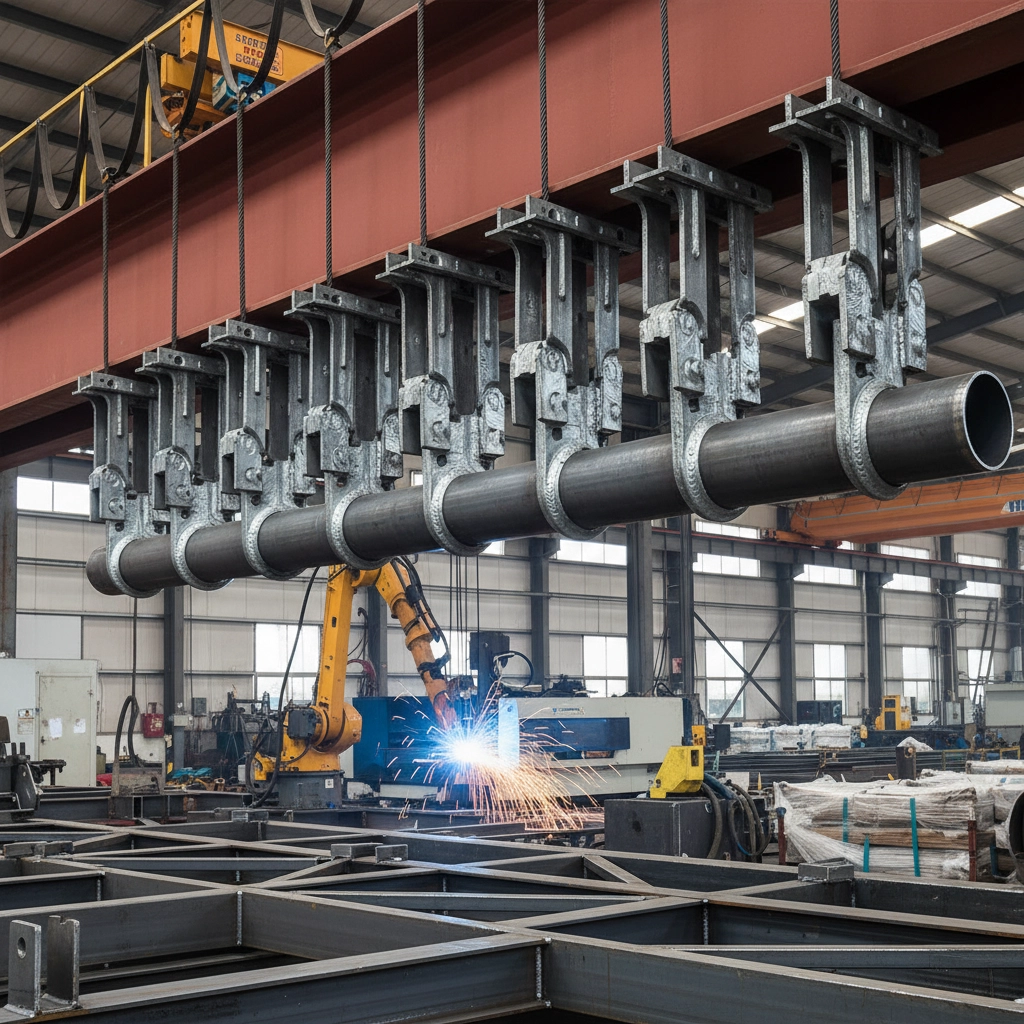
Ensuring the structural integrity of fluid transport systems is a cornerstone of modern industrial engineering. The strategic implementation of industrial pipe hangers and supports serves as the invisible backbone for plants, refineries, and skyscrapers, preventing catastrophic failures caused by pipe sagging, vibration, and thermal expansion. By understanding the nuances of these components, engineers can significantly reduce maintenance costs and enhance operational safety.
Across the global manufacturing landscape, the demand for precision-engineered support systems has surged. As industrial facilities transition toward more complex chemical processes and high-pressure steam systems, the reliance on robust industrial pipe hangers and supports has become paramount to meeting stringent ISO safety standards and building codes. Failure to implement correct support intervals can lead to pipe deformation, leaks, and unplanned downtime.
This comprehensive guide explores the technical dimensions of pipe support systems, from material selection to innovative installation techniques. Whether you are managing a large-scale petrochemical plant or a commercial HVAC project, mastering the application of industrial pipe hangers and supports ensures that your infrastructure remains resilient against environmental stressors and mechanical fatigue over its entire lifecycle.
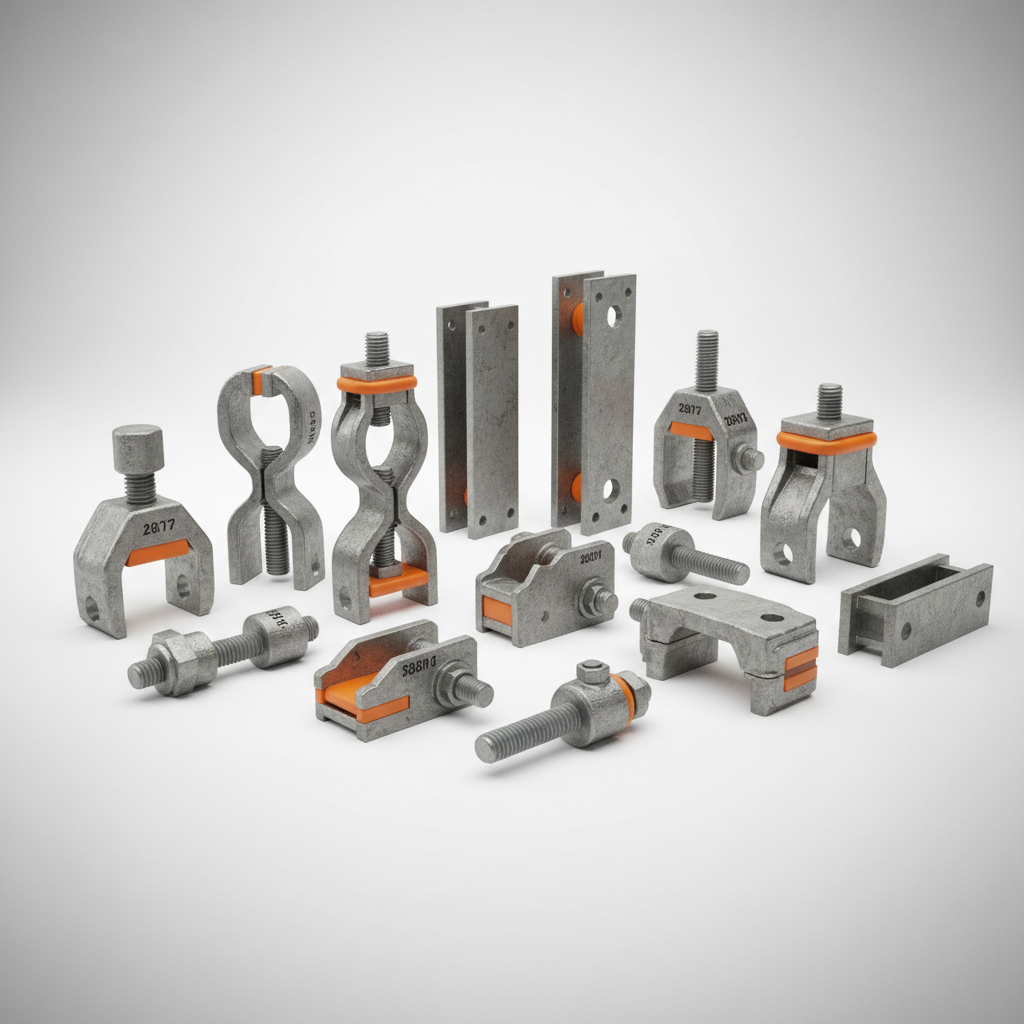
Global Relevance of Industrial Pipe Hangers and Supports
On a global scale, the infrastructure supporting energy, water, and chemical transport relies heavily on the precision of industrial pipe hangers and supports. With the rapid industrialization of emerging markets in Asia and Africa, the adoption of standardized support systems—aligned with ASME and MSS SP-58 guidelines—has become critical. These standards ensure that piping networks can withstand seismic activity and extreme temperature fluctuations common in diverse geographical zones.
The economic impact of improper piping support is staggering. According to industry reliability reports, a significant percentage of piping leaks are attributed to excessive stress caused by inadequate support spacing or rigid supports that do not allow for thermal growth. By investing in high-quality industrial pipe hangers and supports, global enterprises mitigate the risk of environmental contamination and hazardous gas leaks, thereby protecting both human life and corporate assets.
Defining Industrial Pipe Hangers and Supports in Modern Engineering
In simple terms, industrial pipe hangers and supports are specialized hardware components designed to carry the weight of a piping system and its contents while controlling the movement caused by thermal expansion, contraction, and external vibrations. Unlike simple residential brackets, these industrial-grade solutions are engineered to distribute loads evenly across the building structure, ensuring that the pipe itself is not subjected to bending moments that could lead to fatigue failure.
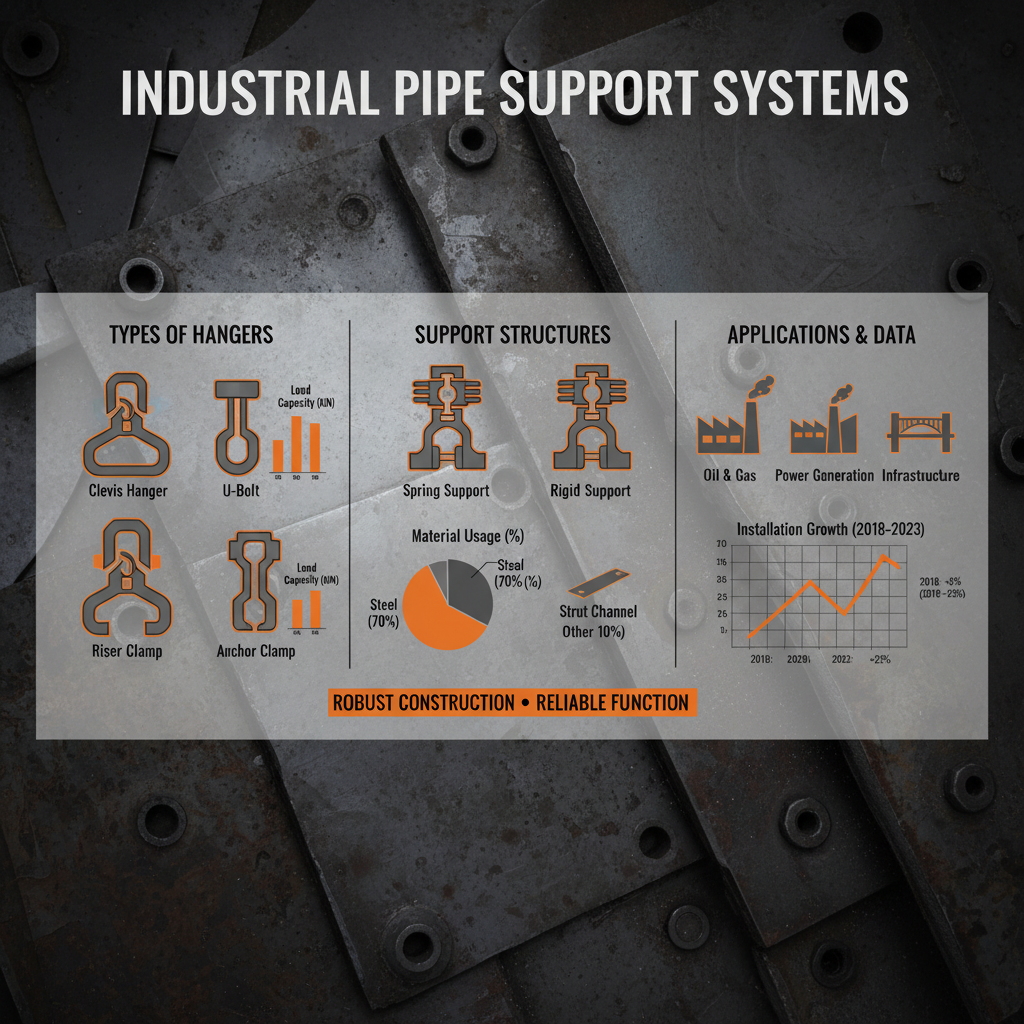
The distinction between a "hanger" and a "support" is technical: hangers generally suspend the pipe from an overhead structure using rods or straps, whereas supports typically carry the load from beneath, such as pipe shoes or saddles. Both are essential elements of the broader industrial pipe hangers and supports ecosystem, working in tandem to maintain the precise slope required for gravity-fed drainage or the rigid alignment needed for high-pressure steam.
Beyond mere load-bearing, these systems address critical humanitarian and safety needs. In municipal water treatment plants or hospital oxygen delivery systems, the reliability of these supports ensures a constant, uninterrupted flow of life-sustaining resources. The evolution of these components reflects a shift toward "predictive engineering," where materials are chosen based on the specific chemical environment to prevent corrosion-related collapses.
Core Components and Technical Factors for Stability
When selecting industrial pipe hangers and supports, the most critical factor is Material Compatibility. Depending on the environment, engineers choose between galvanized steel for general purpose, stainless steel for corrosive environments, or specialized polymer coatings for chemical plants. The goal is to prevent galvanic corrosion where the support meets the pipe, which could otherwise compromise the entire system.
Load Capacity and Distribution are equally vital. Industrial supports must be calculated based on the "wet weight" of the pipe (including the fluid) and the "dynamic load" caused by pump vibrations or water hammer effects. High-performance industrial pipe hangers and supports utilize engineered load-spreaders and adjustable rods to ensure that weight is transferred safely to the primary structural beams without overloading any single point.
Finally, Thermal Movement Management is what separates professional industrial installations from basic setups. Pipes expand and contract as temperatures change; if the supports are too rigid, the pipe will buckle. Advanced industrial pipe hangers and supports incorporate spring hangers or sliding plates that allow the pipe to "breathe" while remaining securely held in place, preventing catastrophic joint failure.
Global Applications and Specialized Use Cases
The application of industrial pipe hangers and supports varies wildly across different sectors. In the oil and gas industry of the Middle East, supports must withstand extreme ambient heat and saline air, requiring heavy-duty coatings and oversized footprints to manage massive high-pressure lines. Conversely, in the pharmaceutical labs of Europe, supports are often crafted from high-grade stainless steel to maintain sterile environments and withstand rigorous chemical cleaning protocols.
In more challenging scenarios, such as remote mining operations in the Andes or deep-sea offshore platforms, the deployment of modular support systems is key. These "quick-install" industrial pipe hangers and supports allow engineers to secure complex piping networks in hazardous terrains where welding is risky and time is of the essence. By utilizing bolt-together configurations and pre-fabricated brackets, these organizations maintain operational continuity in the world's most inhospitable regions.
Performance Comparison of Support Material Types
Long-Term Value and Safety Advantages
Investing in premium industrial pipe hangers and supports translates directly into lowered Total Cost of Ownership (TCO). While cheaper alternatives may seem attractive during the procurement phase, they often lead to premature corrosion and "pipe creep," necessitating expensive mid-cycle replacements and unplanned shutdowns. High-quality supports ensure a "set-and-forget" reliability that provides peace of mind to facility managers.
Beyond the financial logic, there is an emotional and ethical dimension: safety and trust. In a high-pressure steam plant, a single failed hanger can lead to a pipe rupture, posing a lethal threat to workers. The use of certified industrial pipe hangers and supports demonstrates a commitment to worker dignity and safety, fostering a culture of innovation where engineers can push the boundaries of plant efficiency without compromising human life.
Future Trends in Smart Support Systems
The industry is currently witnessing a digital transformation in how we approach industrial pipe hangers and supports. The integration of IoT sensors within support brackets allows for real-time monitoring of stress levels and vibration frequencies. This "Smart Support" technology can alert maintenance teams to a potential failure before it happens, shifting the paradigm from reactive repair to proactive prevention.
Sustainability is also driving innovation in material science. We are seeing a move toward carbon-neutral steel and recyclable composite materials for industrial pipe hangers and supports. These green materials offer the same structural rigidity as traditional steel but with a significantly lower carbon footprint, helping global industries meet their ESG (Environmental, Social, and Governance) targets.
Furthermore, the rise of 3D printing and additive manufacturing is enabling the creation of bespoke support geometries. Instead of relying on a catalog of standard parts, engineers can now design industrial pipe hangers and supports that perfectly fit the unique contours of a specific plant layout, maximizing space efficiency and reducing the need for improvised, unsafe modifications in the field.
Overcoming Common Installation Challenges
One of the most frequent challenges in the field is "Over-Constraining" the system. In an attempt to make the piping as stable as possible, installers often add too many rigid industrial pipe hangers and supports, effectively locking the pipe in place. When the fluid heats up, the pipe has nowhere to expand, leading to massive internal stress and inevitable weld cracks. The solution lies in a strategic mix of fixed anchors and sliding guides.
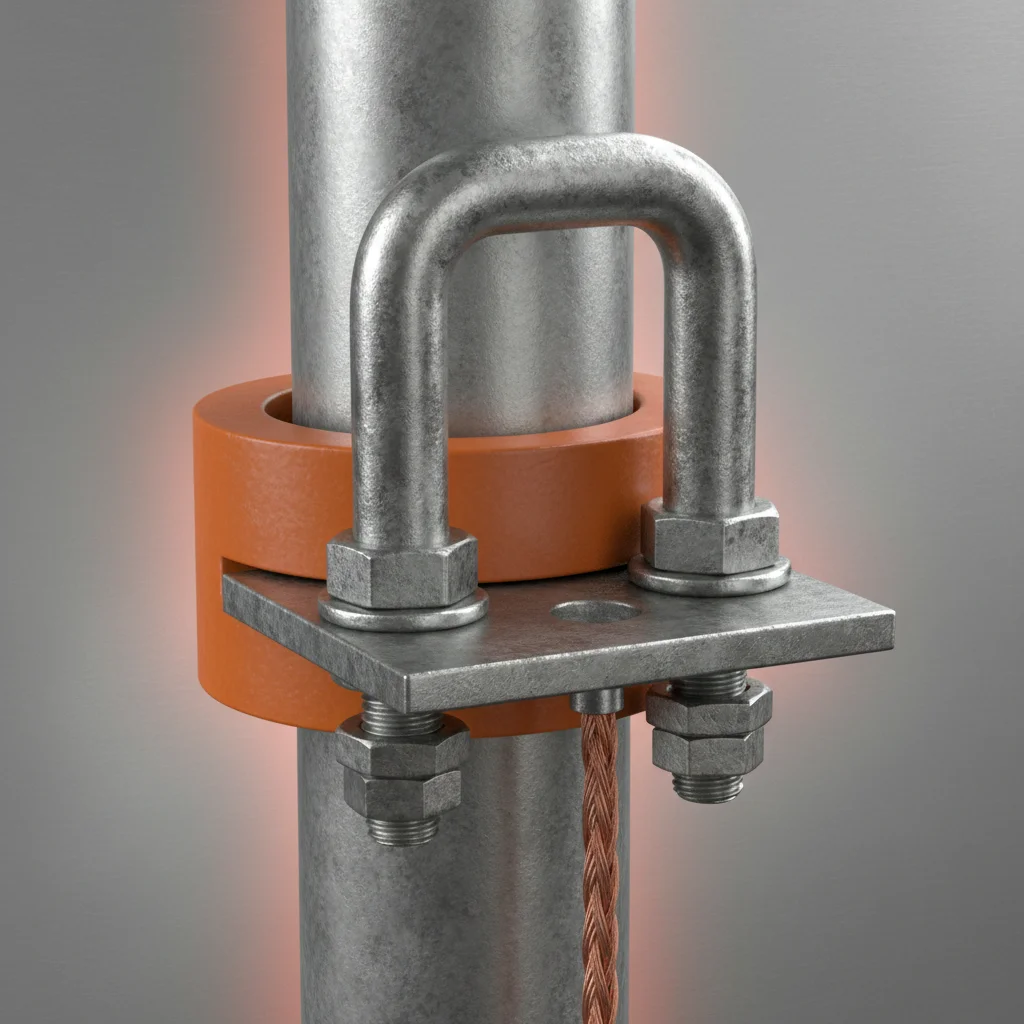
Another common pitfall is the neglect of "Galvanic Compatibility." When a stainless steel pipe is placed in a carbon steel hanger without an insulating pad, a battery-like effect occurs, accelerating corrosion at the contact point. Expert installers overcome this by using rubber or PTFE inserts within their industrial pipe hangers and supports, isolating the different metals and extending the system's life by decades.
Finally, inaccurate load calculations often lead to the use of undersized supports. To solve this, modern engineering teams utilize BIM (Building Information Modeling) software to simulate fluid weights and thermal expansion in a virtual environment. This ensures that the specified industrial pipe hangers and supports are perfectly scaled for the actual operational loads, eliminating guesswork and ensuring a safe installation.
Comparative Analysis of Support Solutions by Environment
| Environment Type |
Recommended Support Material |
Critical Factor |
Maintenance Interval |
| Offshore Oil Rig |
Hot-Dip Galvanized/Alloy |
Salt-Spray Resistance |
6 Months |
| Food & Beverage Plant |
316 Stainless Steel |
Hygiene/Non-Toxicity |
12 Months |
| Chemical Refinery |
Teflon-Coated Steel |
Acidic Corrosion Resistance |
3 Months |
| Commercial HVAC |
Electro-Galvanized Steel |
Cost-Efficiency/Weight |
24 Months |
| Power Plant (Steam) |
High-Temp Alloy Steel |
Thermal Expansion Control |
6 Months |
| Water Treatment |
Epoxy Coated Steel |
Moisture Barrier |
18 Months |
FAQS
Pipe hangers are designed to suspend a pipe from an overhead structure, utilizing tension to hold the load. Pipe supports, on the other hand, carry the pipe from below, using compression to stabilize the system. Both are essential components of industrial pipe hangers and supports, and the choice between them depends on the available ceiling height, the required pipe slope, and the weight of the fluid being transported.
Spacing is calculated based on the pipe's diameter, wall thickness, and the density of the fluid it carries. Engineers use span tables (such as those provided by MSS SP-58) to ensure the pipe does not sag beyond acceptable limits. Over-spacing can lead to structural deformation, while under-spacing can create unnecessary rigidity that prevents thermal expansion, potentially damaging the pipe joints.
Generally, no. Standard galvanized steel can react with aggressive chemicals, leading to rapid corrosion and systemic failure. In chemical environments, it is highly recommended to use stainless steel or polymer-coated industrial pipe hangers and supports. Using the wrong material can lead to "pitting" and structural collapse, which is why a material compatibility chart is essential during the design phase.
Variable spring hangers are a specialized type of industrial pipe hanger that uses a spring to support the pipe. They are used when the pipe is expected to move vertically due to thermal expansion. Unlike rigid hangers, the spring absorbs the movement, maintaining a constant support force and preventing the pipe from putting excessive stress on the building's structural beams.
The best way to prevent galvanic corrosion is to introduce an insulating barrier between the pipe and the support. This is typically achieved by using rubber liners, PTFE (Teflon) pads, or specialized plastic inserts within the industrial pipe hangers and supports. This breaks the electrical path between two dissimilar metals, stopping the electrochemical reaction that causes rust.
Yes, provided they are engineered correctly. Modern modular industrial pipe hangers and supports use high-tensile bolts and precision-cut steel that meet or exceed the strength of traditional welds. The primary advantage of modular systems is the ease of adjustment and installation, which often leads to fewer errors in the field compared to manual welding in tight spaces.
Conclusion
In summary, the strategic selection and installation of industrial pipe hangers and supports are not merely technical details, but critical safety requirements. By balancing material compatibility, load distribution, and thermal movement management, industries can ensure the longevity of their piping networks and the safety of their workforce. From the adoption of stainless steel in sterile environments to the implementation of IoT-enabled smart supports, the evolution of these systems continues to drive industrial efficiency.
Looking forward, the shift toward sustainable materials and BIM-driven precision will redefine the standards of piping infrastructure. We encourage plant managers and engineers to audit their current support systems and transition toward high-performance, certified solutions to mitigate risk and reduce long-term maintenance overhead. For professional-grade hardware and expert guidance on the best support systems for your project, visit our website: www.topfastener.com.