In the demanding environments of modern industrial piping, the shift toward composite materials has revolutionized how we approach structural support. frp pipe hangers represent a critical evolution in engineering, offering a lightweight yet incredibly robust alternative to traditional galvanized steel or stainless steel supports. By integrating glass-reinforced plastics, these components provide an essential balance of strength and corrosion resistance that is vital for the longevity of piping systems globally.
The global industrial landscape is increasingly facing the challenge of "corrosion fatigue," where saltwater, chemical vapors, and high humidity degrade metal supports, leading to catastrophic system failures. According to industry safety standards and ISO guidelines, the implementation of non-metallic supports can reduce maintenance cycles by up to 60%. This makes the adoption of frp pipe hangers not just a preference, but a strategic necessity for infrastructure resilience in chemical plants, desalination facilities, and offshore platforms.
Understanding the technical nuances of Fiber Reinforced Polymer (FRP) technology allows engineers to optimize their designs for both cost and performance. Beyond mere support, these hangers prevent galvanic corrosion—the electrochemical reaction that occurs when different metals touch—thereby protecting the integrity of the pipe itself. As we explore the depths of this technology, it becomes clear that the transition to composite supports is a cornerstone of sustainable, long-term industrial asset management.
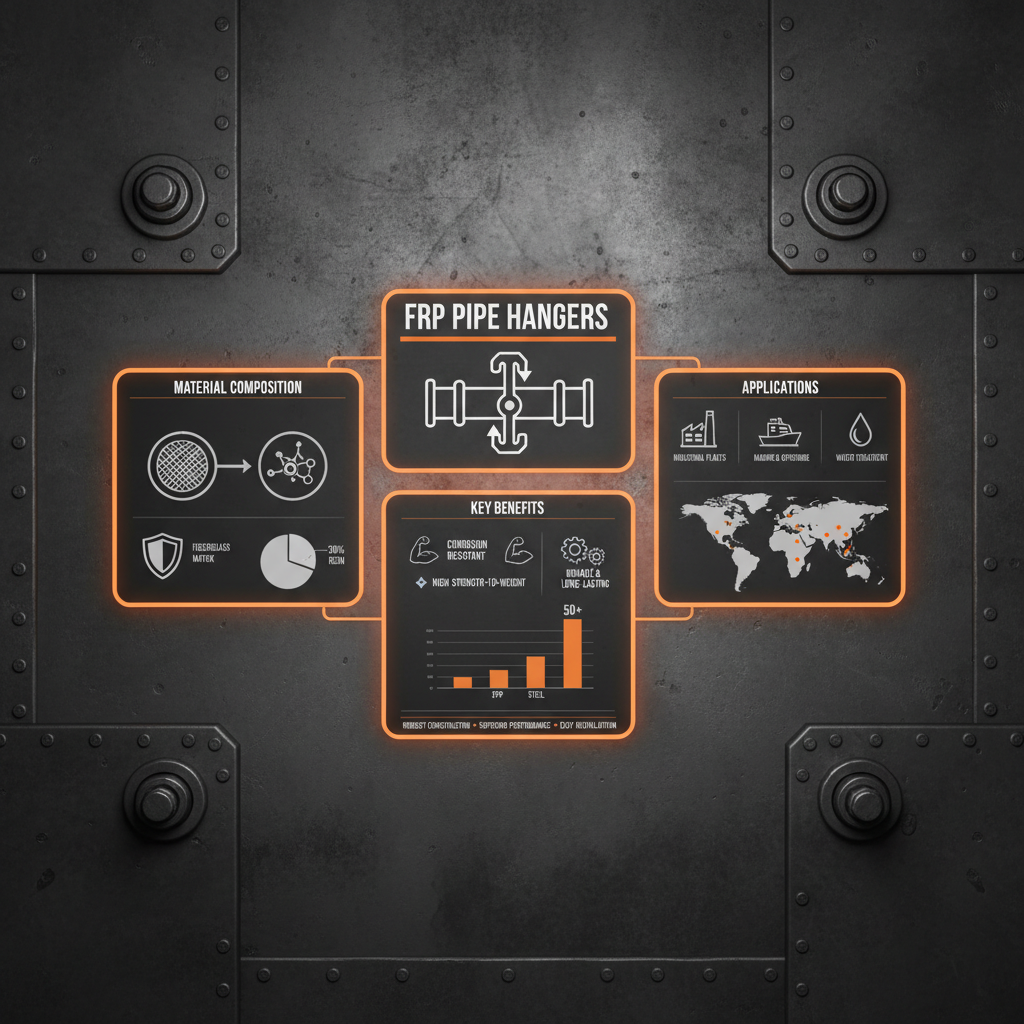
Global Relevance of FRP Pipe Hangers
Across the globe, the demand for frp pipe hangers has surged as industries move toward "zero-maintenance" goals. In regions like Southeast Asia and the Gulf Coast, where salinity and humidity are extreme, traditional metal hangers often fail within five years. FRP solutions break this cycle by utilizing resins that are chemically inert, ensuring that the support system lasts as long as the piping it carries.
This shift is not merely about durability but also about operational safety. When a hanger fails, the resulting pipe sag can cause stress fractures or leakages in hazardous chemical lines. By deploying high-strength composite supports, plant managers can significantly mitigate the risk of unplanned downtime and environmental hazards, aligning their operations with global ESG (Environmental, Social, and Governance) criteria.
Defining the Mechanics of Composite Supports
At its core, an frp pipe hanger is a structural component engineered from a matrix of thermosetting resin reinforced with glass fibers. Unlike steel, which relies on a crystalline structure prone to oxidation, FRP is a composite. This means it combines the compressive strength of the resin with the tensile strength of the glass fibers, resulting in a material that is incredibly stiff yet flexible enough to absorb certain vibrations.
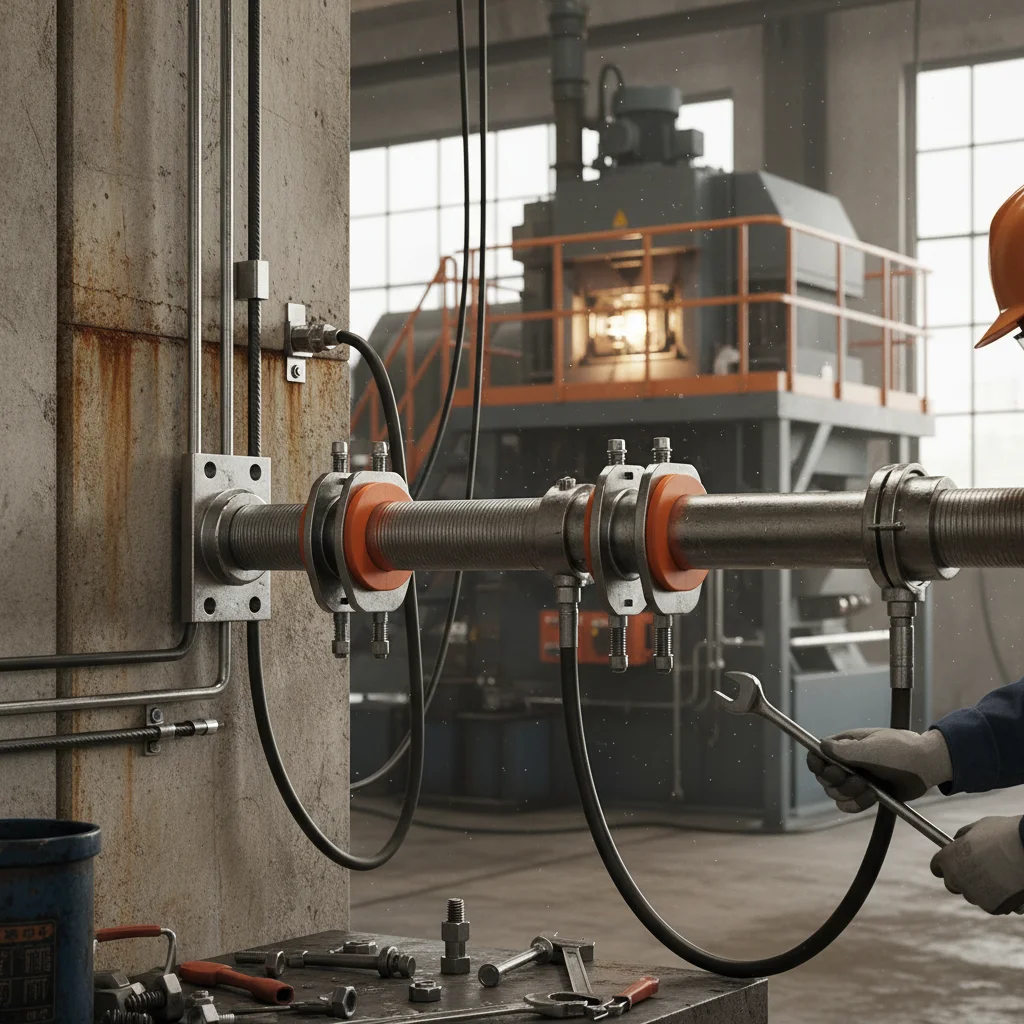
In modern industry, these hangers serve as the primary interface between the piping network and the building's primary structure. They are designed to distribute the weight of the fluid-filled pipe evenly, preventing localized stress points. This is particularly crucial for large-diameter FRP pipes, which have different expansion and contraction coefficients than metal pipes, requiring a support system that can accommodate thermal movement without slipping or binding.
From a humanitarian and infrastructure perspective, the ease of installation associated with these lightweight supports is a game-changer. In remote industrial zones or post-disaster reconstruction projects, the ability to transport and install supports without heavy lifting machinery reduces project timelines and labor costs, making critical water and waste infrastructure deployable in a fraction of the time.
Core Factors Driving Performance
The primary driver for selecting frp pipe hangers is their unparalleled corrosion resistance. In environments where sulfuric acid or chlorine gas is present, metal supports would require constant painting or expensive exotic alloys. FRP, however, is naturally resistant to a wide spectrum of acids, bases, and salts, eliminating the need for protective coatings.
Another critical factor is the strength-to-weight ratio. FRP composites can offer load-bearing capacities comparable to steel while weighing up to 75% less. This reduction in "dead load" on the ceiling or support beams allows for more efficient structural engineering of the entire facility, reducing the amount of raw steel needed for the building's primary frame.
Finally, electrical insulation is a key technical advantage. Because frp pipe hangers are non-conductive, they eliminate the risk of electrical arcs between the piping and the structure. This is a vital safety feature in power plants and electronics manufacturing sites where electromagnetic interference (EMI) or stray currents could cause equipment failure or safety hazards.
Industrial Applications and Case Studies
The application of frp pipe hangers spans various high-stakes sectors. In wastewater treatment plants, where hydrogen sulfide gas creates a highly acidic atmosphere, these hangers are the gold standard. They prevent the "sagging pipe" syndrome that often leads to sediment buildup and eventual pipe bursts in municipal sewer systems.
In the pharmaceutical and food processing industries, hygiene is paramount. FRP supports are non-shedding and do not flake like painted steel, ensuring that the production environment remains uncontaminated. For example, in a large-scale brewery, the use of composite hangers allows for rigorous high-pressure wash-downs with caustic cleaners without any risk of support degradation.
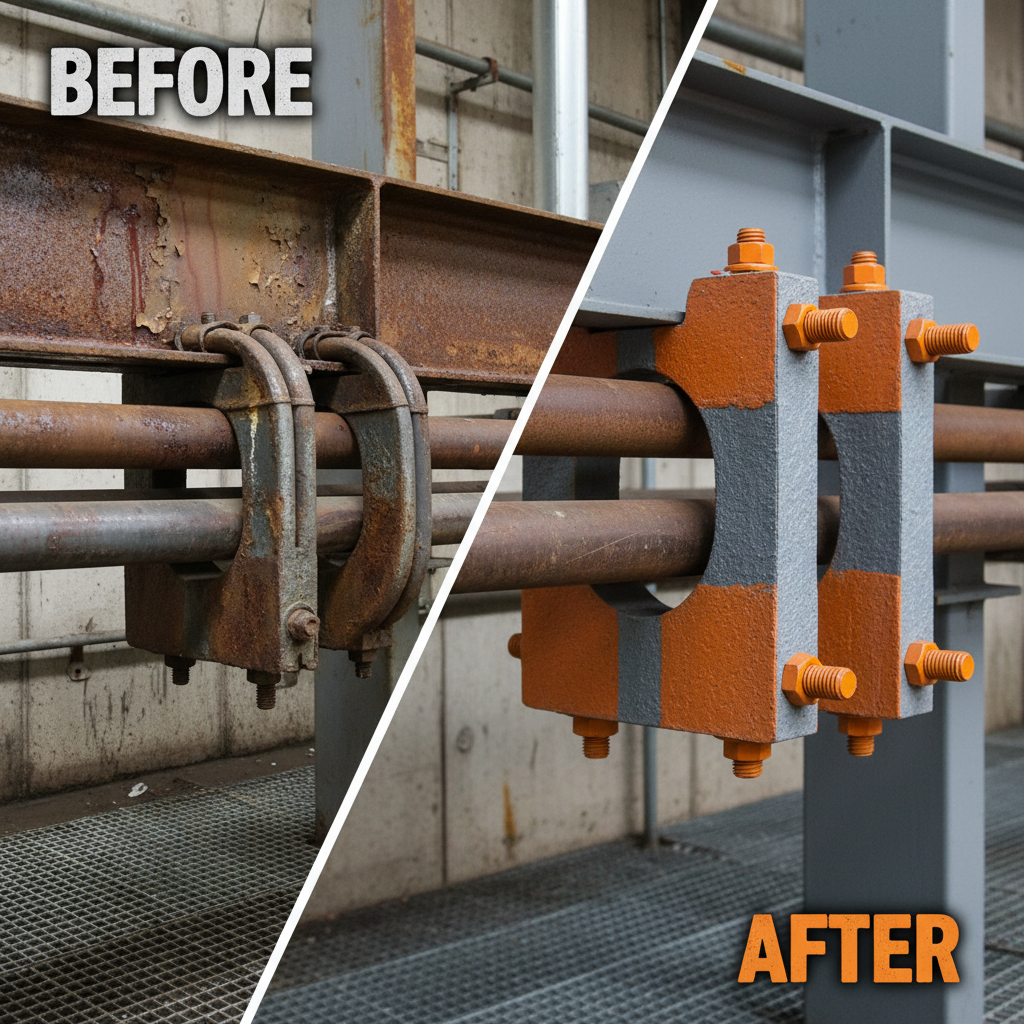
Comparative Performance of FRP Pipe Hangers vs Traditional Materials
Long-Term Value and Sustainability
The long-term value of investing in frp pipe hangers is found in the Total Cost of Ownership (TCO). While the initial procurement cost may be slightly higher than basic carbon steel, the elimination of painting, galvanizing, and replacement labor results in a lower cost over a 20-year lifecycle. This financial logic is increasingly adopted by CFOs who prioritize asset longevity over initial capital expenditure.
From a sustainability perspective, FRP contributes to a "greener" industrial footprint. The manufacturing process for composites, while energy-intensive, is offset by the fact that these components do not leach toxic anti-corrosion chemicals into the environment. Furthermore, the reduced weight lowers the carbon footprint associated with shipping and logistics, supporting global initiatives to reduce industrial emissions.
Future Trends in Polymer Engineering
The future of frp pipe hangers lies in the integration of "smart materials." We are seeing the emergence of sensor-embedded composites that can detect structural fatigue or excessive vibration in real-time. By embedding fiber-optic sensors directly into the FRP matrix, plant operators can receive alerts before a hanger fails, transitioning from reactive to predictive maintenance.
Additionally, the industry is moving toward bio-based resins to further enhance the eco-friendliness of these products. By replacing petroleum-derived resins with plant-based alternatives, the next generation of supports will be fully sustainable without compromising on the chemical resistance that makes FRP so desirable.
Automation in manufacturing, specifically 3D printing of large-scale composite components, will allow for "custom-fit" hangers. Instead of standard sizes, engineers will be able to print supports tailored to the exact geometry of their piping layout, reducing the need for field modifications and ensuring a perfect fit every time.
Overcoming Implementation Challenges
Despite the benefits, some engineers hesitate to switch to frp pipe hangers due to a lack of familiarity with composite load tables. The solution lies in comprehensive technical training and the provision of detailed CAD models. When engineers have access to precise stress-strain data, the perceived risk of switching from steel vanishes.
Another challenge is the susceptibility of some resins to UV degradation when used outdoors. To solve this, high-performance UV-inhibitors and gel coats are now integrated into the outer layer of the hangers. This creates a shield that prevents the glass fibers from becoming exposed to sunlight, ensuring that the supports maintain their structural integrity for decades, even in desert environments.
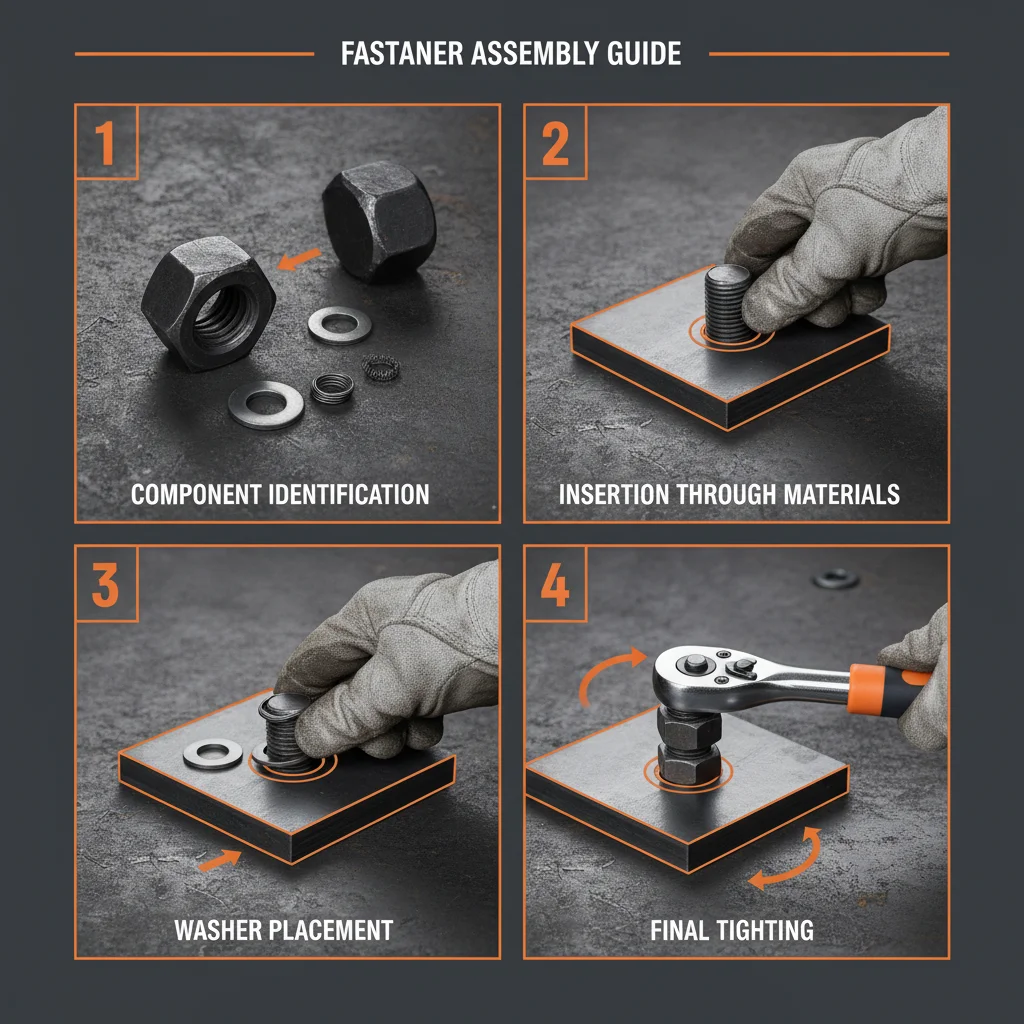
Lastly, the integration of FRP supports with metal fastening hardware can sometimes lead to "crevice corrosion" at the contact point. Expert installers now use nylon or Teflon washers to isolate the metal bolts from the FRP body. This holistic approach to the assembly ensures that the entire support system, not just the hanger, is immune to the environment.
Comparative Analysis of FRP Pipe Hanger Configurations
| Hanger Type |
Load Capacity |
Corrosion Grade |
Installation Speed |
| Standard C-Clamp FRP |
Medium (7/10) |
Excellent |
Fast |
| Heavy-Duty Rigid Support |
High (10/10) |
Very High |
Moderate |
| Flexible Suspension Hanger |
Low (5/10) |
Excellent |
Very Fast |
| Custom Molded Saddle |
High (9/10) |
Maximum |
Moderate |
| Anti-Vibration Hanger |
Medium (6/10) |
High |
Fast |
| Thermal Expansion Hanger |
Medium (7/10) |
Very High |
Moderate |
FAQS
Yes, in terms of specific strength (strength-to-weight ratio), FRP often exceeds stainless steel. While a steel beam may have higher absolute crush strength, FRP is engineered to handle the specific load requirements of piping systems without the risk of corrosion-induced weakening over time, making them more reliable in the long run.
The choice depends on the chemical exposure. For general corrosion, orthophthalic resins are sufficient. For highly aggressive acids or high-temperature environments, vinyl ester resins are recommended as they provide superior chemical resistance and hydrothermal stability.
No, they can typically be installed using standard hand tools. However, when cutting or drilling FRP, it is recommended to use diamond-tipped or carbide-coated bits to prevent fiber fraying and to ensure a clean, professional finish.
FRP hangers are suitable for many high-temperature applications, but it depends on the resin's glass transition temperature (Tg). For steam lines, you must specify high-Tg resins to ensure the support does not soften. Always consult the technical data sheet for the specific temperature limit.
Absolutely. Retrofitting is one of the most common uses for frp pipe hangers. Replacing corroded metal hangers with composite ones is a fast way to extend the life of an existing plant without having to replace the entire piping network.
Yes, they are generally more eco-friendly over their lifecycle. They eliminate the need for toxic zinc plating (galvanization) and frequent repainting with VOC-heavy coatings. Their long lifespan also reduces the waste generated from replacing failed metal components.
Conclusion
The transition to frp pipe hangers marks a pivotal shift toward more intelligent, durable, and sustainable industrial design. By solving the perennial problem of corrosion and reducing the structural dead load of piping systems, these composite supports provide an unmatched combination of safety and efficiency. From the chemical plant to the municipal water works, the evidence is clear: composites outperform metals in the most challenging environments on earth.
As we look toward a future defined by smart infrastructure and carbon neutrality, the role of advanced polymer engineering will only grow. We encourage engineers and project managers to move beyond traditional materials and embrace the long-term value of FRP technology. To explore our full range of high-performance support solutions and technical specifications, visit our website: www.topfastener.com.