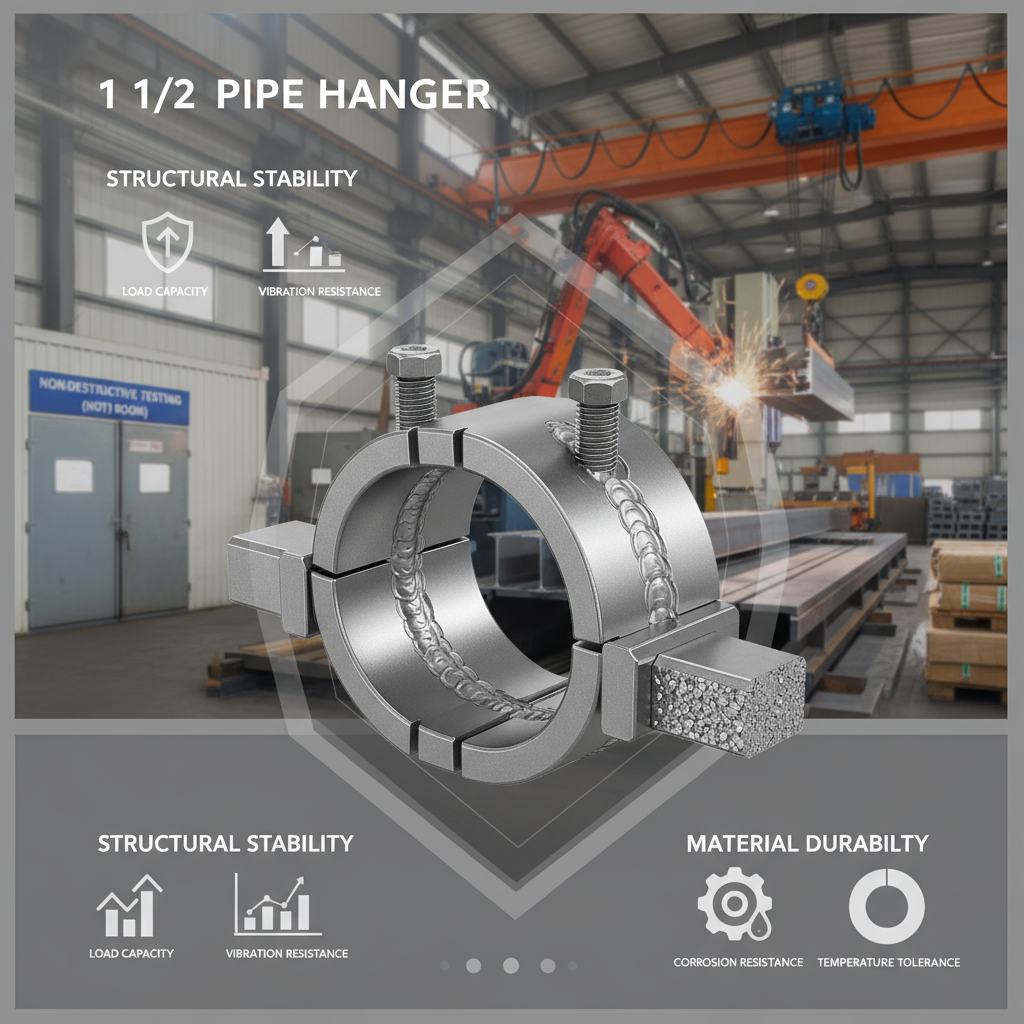
The stability of industrial piping systems relies heavily on the precision of their support structures, where the 1 1 2 pipe hanger serves as a critical component for maintaining alignment and safety. In the world of metal structural manufacturing, selecting the correct diameter and load-bearing capacity for a hanger is not merely a technicality but a prerequisite for preventing structural failure and ensuring long-term operational efficiency.
Globally, the demand for high-quality fastening and support solutions has surged as infrastructure projects become more complex, requiring components like the 1 1 2 pipe hanger to withstand diverse environmental stresses. From high-rise commercial buildings to sprawling chemical plants, these hangers ensure that fluid transport systems remain secure, minimizing vibration and preventing costly leaks that could lead to environmental hazards.
Understanding the nuances of 1 1 2 pipe hanger specifications allows engineers and procurement specialists to optimize their material costs without compromising on safety. By integrating E-E-A-T principles—Experience, Expertise, Authoritativeness, and Trustworthiness—into the selection process, industries can transition from basic installation to an engineered approach that maximizes the lifecycle of their piping assets.
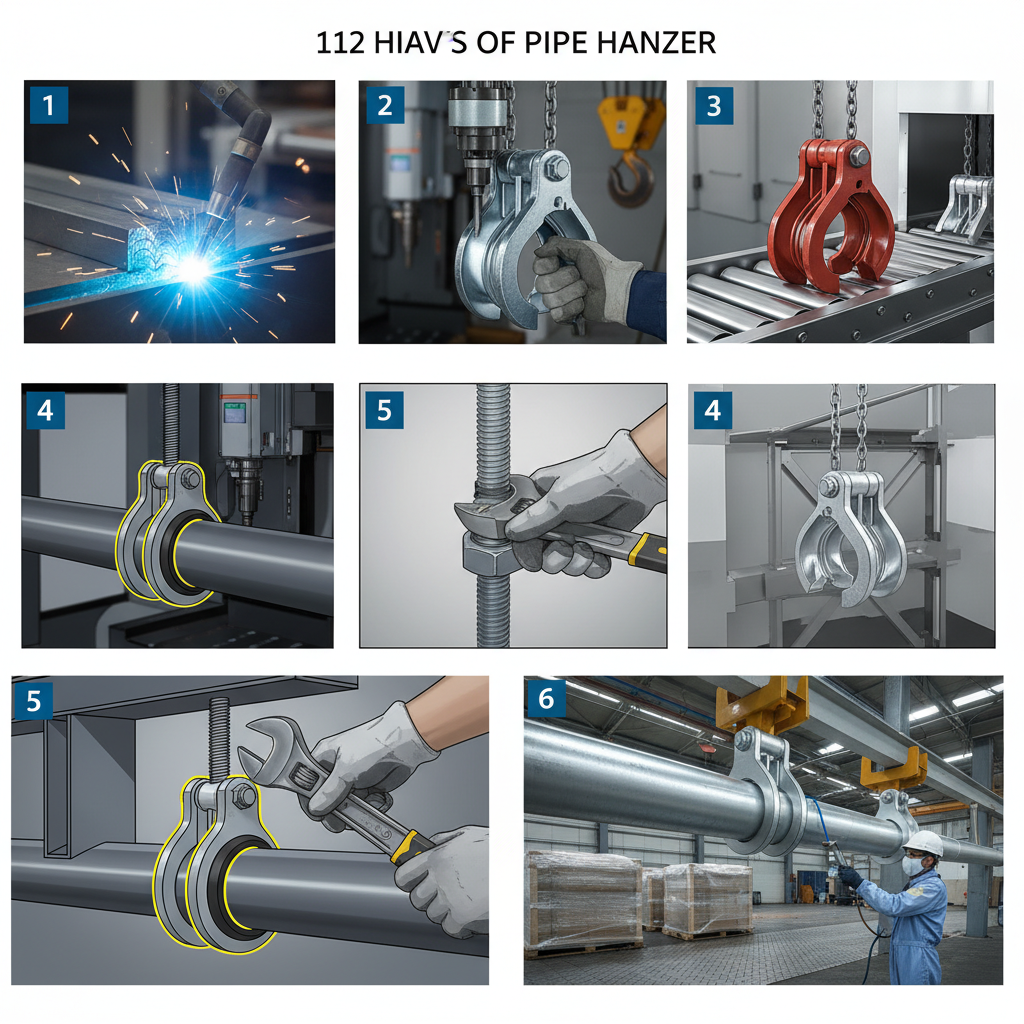
Global Relevance of 1 1 2 Pipe Hanger Systems
On a global scale, the standardization of pipe supports according to ISO and ASME guidelines has transformed how infrastructure is built. The 1 1 2 pipe hanger is a staple in these standards, providing a reliable method for suspending medium-bore piping in environments ranging from temperate climates to extreme industrial heat. This standardization ensures that components sourced from different regions maintain the same safety tolerances, reducing the risk of catastrophic failure in interconnected global supply chains.
The challenge facing modern construction is the increasing volatility of load requirements, where thermal expansion and seismic activity put immense pressure on support systems. By utilizing a precision-engineered 1 1 2 pipe hanger, companies can address these challenges through enhanced load distribution and material resilience, ensuring that the structural integrity of the facility remains intact even under unforeseen mechanical stress.
Defining the Technical Scope of the 1 1 2 Pipe Hanger
In simple technical terms, a 1 1 2 pipe hanger is a specialized fastening device designed to support and secure pipes with a nominal diameter of 1 1/2 inches. These hangers are typically manufactured from high-grade carbon steel, stainless steel, or galvanized alloys to provide a secure grip while allowing for the necessary tolerances of the piping material. Their primary purpose is to transfer the weight of the pipe and its contents to the building's primary structure, preventing sagging and ensuring consistent flow.
Beyond simple suspension, these components are integral to modern humanitarian and industrial needs, particularly in the rapid deployment of water and sanitation systems. In regions rebuilding after disasters, the ease of installation provided by a standardized 1 1 2 pipe hanger allows for the fast-tracking of essential utility lines, bringing clean water and waste management to vulnerable populations with efficiency and reliability.
The connection between these hangers and overall system health is profound. A poorly selected or installed hanger can lead to "pipe galling" or excessive vibration, which over time fatigues the metal of the pipe itself. By adhering to strict dimensional specifications, the 1 1 2 pipe hanger ensures a snug fit that dampens noise and reduces the mechanical wear and tear on joints and valves.
Core Components and Engineering Factors
Durability is the cornerstone of any effective 1 1 2 pipe hanger. The selection of coating—whether it be hot-dip galvanizing or zinc plating—determines the hanger's ability to resist corrosion in humid or chemically aggressive environments. This resistance is vital for maintaining the load-bearing capacity of the hanger over decades of service.
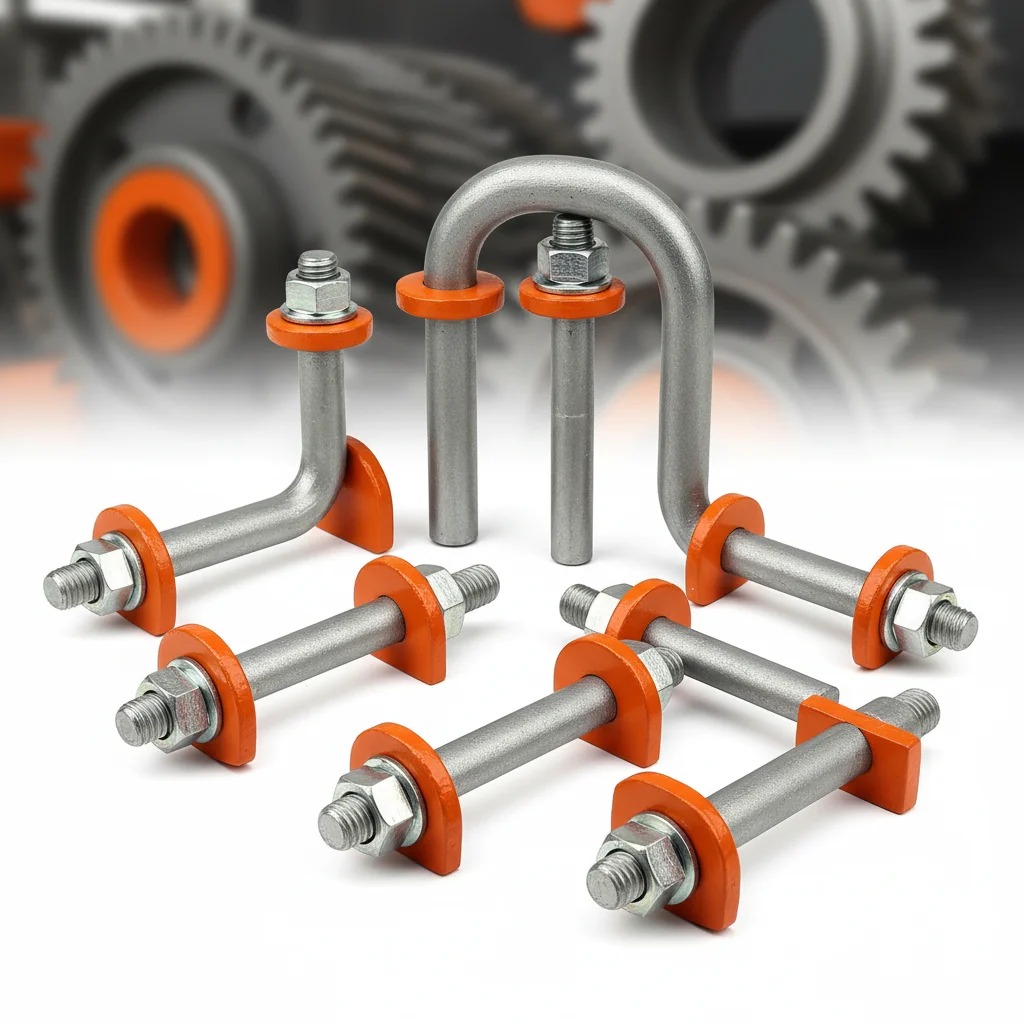
Scalability and versatility are equally important. The 1 1 2 pipe hanger is often designed to work in tandem with adjustable threaded rods, allowing installers to fine-tune the height and slope of the piping. This flexibility is crucial for gravity-fed drainage systems where a precise pitch is required to prevent stagnant water and blockages.
Cost efficiency in the context of these hangers is not about choosing the cheapest material, but about reducing the Total Cost of Ownership (TCO). A high-quality 1 1 2 pipe hanger reduces the frequency of maintenance inspections and eliminates the need for premature replacements, providing a logical financial advantage for large-scale project managers.
Performance Metrics and Comparative Analysis
When evaluating the efficacy of different support methods, engineers look at load-bearing capacity and installation speed. The 1 1 2 pipe hanger is frequently compared against traditional strap hangers and rigid supports to determine which provides the best balance of stability and flexibility for specific architectural needs.
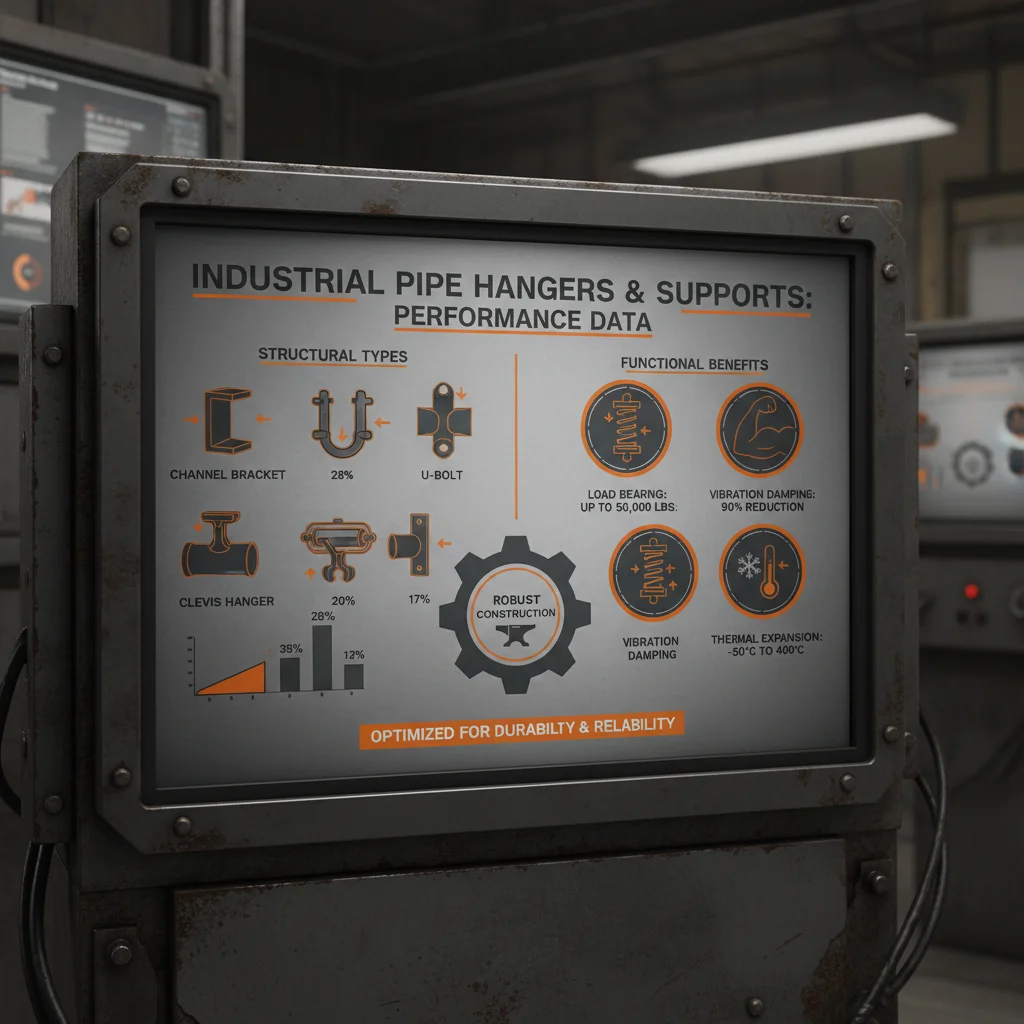
The following data illustrates how different variations of the 1 1 2 pipe hanger perform across key industry metrics, such as corrosion resistance and ease of installation, providing a clear guide for selection based on project environment.
Performance Comparison of 1 1 2 Pipe Hanger Variants
Global Applications Across Diverse Industries
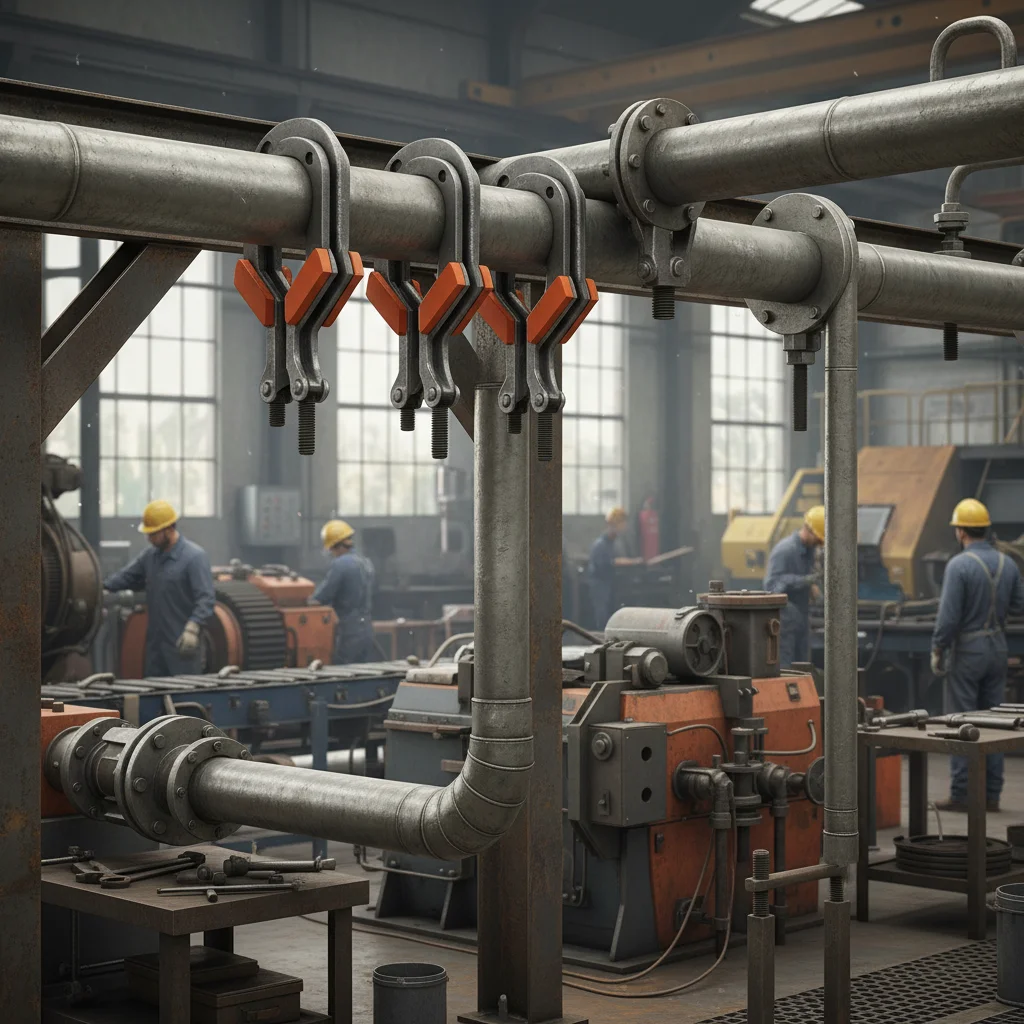
In real-world industrial zones, the 1 1 2 pipe hanger is indispensable for oil and gas refineries, where pipelines must be suspended over walkways and equipment. These regions often face extreme temperature fluctuations, making the thermal expansion capabilities of a high-quality hanger essential for preventing pipe rupture.
Furthermore, in the pharmaceutical and food processing industries, where hygiene is paramount, stainless steel versions of the 1 1 2 pipe hanger are used to prevent contamination. These hangers ensure that pipes are held securely without creating "dirt traps" or pockets where bacteria can grow, meeting the stringent requirements of global health organizations and local regulatory bodies.
Long-Term Value and Reliability Advantages
The tangible benefits of investing in premium 1 1 2 pipe hanger components extend beyond mere support. From a sustainability angle, using durable materials reduces the amount of scrap metal generated by frequent replacements, contributing to a more circular economy in the construction sector.
Psychologically, the use of certified, high-strength hangers provides peace of mind to facility managers. Knowing that the overhead piping—which may carry steam, gas, or hazardous chemicals—is held by a reliable 1 1 2 pipe hanger translates to a safer working environment for employees and greater trust from stakeholders.
Logically, the integration of these hangers into a planned maintenance schedule allows for predictable operational costs. By choosing components that exceed minimum safety standards, companies can extend their maintenance intervals, thereby increasing the overall uptime of the facility and its production capabilities.
Future Trends in Pipe Support Innovation
The future of the 1 1 2 pipe hanger is being shaped by the digital transformation of the construction industry. We are seeing the emergence of "smart hangers" equipped with sensors that can monitor vibration and stress levels in real-time, alerting engineers to potential failures before they occur. This shift toward predictive maintenance is reducing the risks associated with traditional manual inspections.
Additionally, the push for green energy is driving the development of new materials. Composite polymers and recycled alloy blends are being tested to create a 1 1 2 pipe hanger that is lighter than steel but offers equivalent strength and superior corrosion resistance, reducing the carbon footprint of large-scale installations.
Automation in manufacturing is also playing a role. 3D printing and advanced CNC machining allow for the creation of customized hangers that can fit irregular pipe configurations perfectly, ensuring a more secure fit than standard off-the-shelf options.
Comparative Analysis of 1 1 2 Pipe Hanger Material Specifications
| Material Type |
Load Capacity |
Corrosion Resistance |
Typical Application |
| Galvanized Steel |
High |
Moderate |
General Commercial |
| Stainless Steel 304 |
Moderate |
Very High |
Food & Pharma |
| Stainless Steel 316 |
Moderate |
Extreme |
Marine Environments |
| Carbon Steel (Painted) |
High |
Low |
Indoor Dry Areas |
| Heavy Duty Alloy |
Extreme |
Moderate |
Heavy Industrial |
| Composite Polymer |
Low-Moderate |
High |
Lightweight Utilities |
FAQS
The primary difference is the nominal pipe size (NPS) it is designed to fit. A 1 1 2 pipe hanger is specifically engineered for pipes with a 1.5-inch diameter. Using a hanger that is too large will lead to instability and vibration, while one that is too small will cause excessive stress on the pipe wall and potential deformation.
While galvanized steel offers good protection, it is generally not recommended for direct saltwater exposure. For marine environments, we suggest using a 316-grade stainless steel 1 1 2 pipe hanger, as the molybdenum content in 316 steel provides the necessary resistance to chloride-induced pitting and corrosion.
Spacing depends on the pipe material (steel vs. PVC) and the weight of the fluid inside. Generally, for a 1.5-inch pipe, hangers should be placed every 8 to 12 feet. However, always refer to the local building codes or the piping manufacturer's specifications to ensure you avoid sagging.
Yes, provided you use the correct material. For steam lines, we recommend heavy-duty steel hangers. It is also critical to incorporate a sliding mechanism or a flexible coupling with the 1 1 2 pipe hanger to allow for thermal expansion and contraction without stressing the support structure.
Standard installation typically requires a drill for anchor points, a wrench for tightening threaded rods, and a level to ensure the pipe's slope. For larger industrial projects, pneumatic tools are often used to speed up the fastening process and ensure consistent torque.
To prevent abrasion, you can use rubber liners or plastic-coated 1 1 2 pipe hangers. These insulating layers protect the pipe's exterior coating from metal-on-metal friction, which is especially important in chemical transport lines where any scratch could lead to localized corrosion.
Conclusion
The 1 1 2 pipe hanger is far more than a simple piece of hardware; it is a fundamental engineering component that ensures the safety, longevity, and efficiency of global piping networks. From the careful selection of corrosion-resistant materials to the application of precision spacing, every detail contributes to the structural integrity of an industrial facility. By prioritizing quality and adhering to international standards, operators can significantly reduce maintenance costs and minimize operational risks.
Looking forward, the integration of smart monitoring and sustainable materials will continue to evolve the role of pipe supports. We encourage engineers and procurement managers to move beyond the "commodity" mindset and view the 1 1 2 pipe hanger as a strategic asset in their infrastructure. For high-performance fastening solutions and expert guidance on pipe supports, visit our website: www.topfastener.com.