Fastener use is a cornerstone of modern civilization, impacting everything from the buildings we inhabit to the vehicles we drive and the technologies we rely upon. Its significance extends far beyond simply holding things together; it's about ensuring safety, reliability, and longevity in a vast array of applications. Understanding the nuances of fastener use is crucial for engineers, construction workers, manufacturers, and even consumers who undertake DIY projects.
Globally, the fastener industry is a multi-billion dollar market, projected to continue growing with increased infrastructure development, particularly in emerging economies. According to data from the International Organization for Standardization (ISO), standardization in fastener manufacturing and application is paramount to global trade and interoperability. However, challenges remain regarding material sustainability, supply chain resilience (as highlighted by recent global disruptions), and the need for innovative fastening solutions to address evolving engineering demands.
Effective fastener use isn’t just about picking the right screw or bolt; it encompasses material selection, proper installation techniques, quality control, and long-term maintenance considerations. Addressing these factors directly impacts cost-effectiveness, structural integrity, and overall system performance. Ultimately, a comprehensive understanding of fastener use is essential for building a more durable, safe, and sustainable future.
The Importance of Fastener Use
The significance of fastener use often goes unnoticed, yet it's intrinsically linked to the structural integrity and safety of countless systems around the world. From bridges and skyscrapers to automobiles and aircraft, fasteners are the unseen heroes that hold everything together. A failure in fastener use can have catastrophic consequences, leading to costly repairs, system downtime, or even loss of life.
Effective fastener use requires a deep understanding of material science, engineering principles, and industry best practices. It’s not simply a matter of choosing the biggest or strongest fastener; it's about selecting the right fastener for the specific application, ensuring proper installation, and implementing regular inspection and maintenance procedures. This holistic approach to fastener use is essential for maximizing performance and minimizing risk.
Defining Fastener Use and Its Relevance
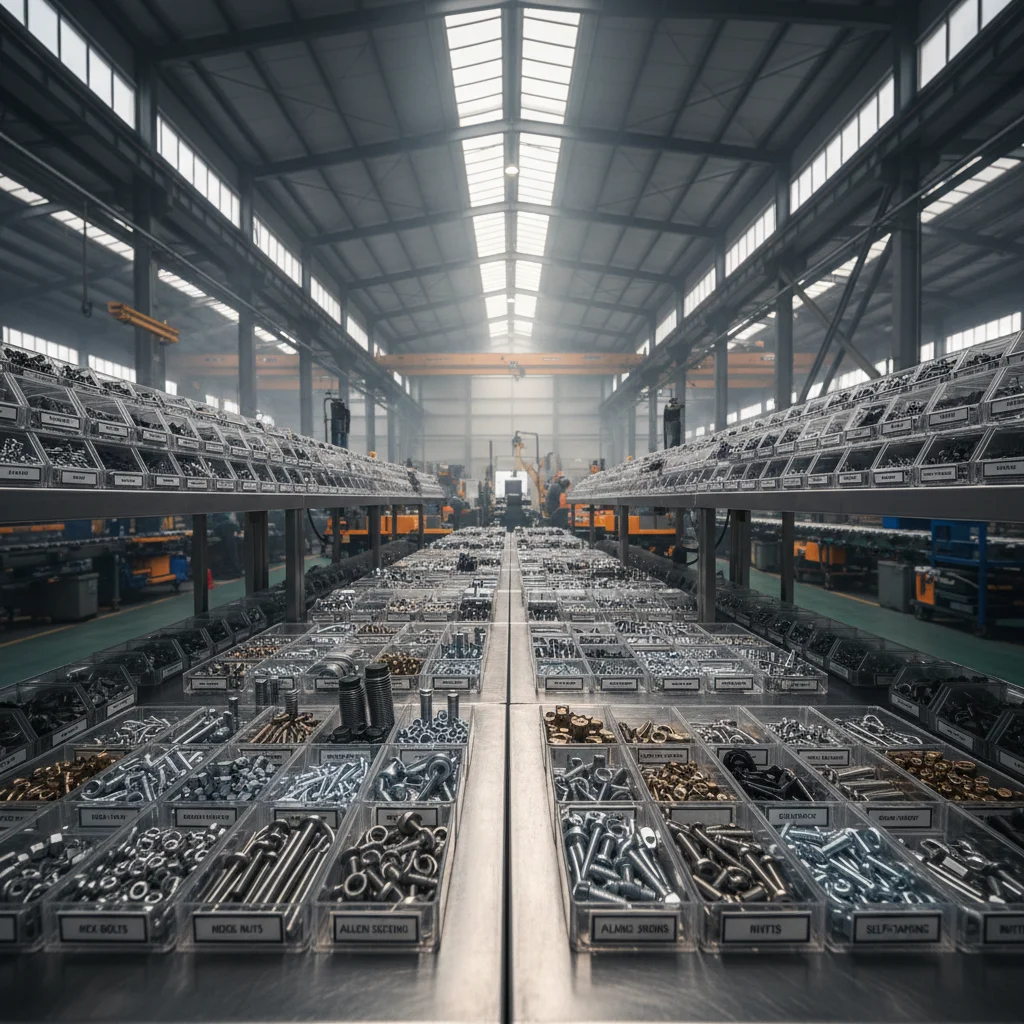
Fastener use, at its core, refers to the selection, application, and maintenance of mechanical fasteners – components used to join materials together. This encompasses a broad range of products, including screws, bolts, nuts, rivets, anchors, and specialized joining systems. It’s a discipline that bridges the gap between materials science, mechanical engineering, and practical implementation.
The relevance of fastener use extends far beyond industrial applications. In construction, proper fastener use ensures the stability and safety of buildings and infrastructure. In healthcare, specialized fasteners are critical for medical implants and surgical instruments. Even in everyday life, the correct application of fasteners ensures the reliability of household appliances, furniture, and countless other products.
Ultimately, the success of any engineered system often hinges on the effectiveness of its fastener connections. Investing in understanding and optimizing fastener use translates directly into improved product quality, enhanced safety, and reduced lifecycle costs.
Key Factors Influencing Effective Fastener Use
Several core components contribute to optimal fastener use. First is Material Compatibility: Choosing fasteners made from materials compatible with the joined materials prevents corrosion and ensures long-term reliability. Second, Load Distribution: Understanding the types of loads (tensile, shear, torsional) a fastener will experience is essential for selecting the appropriate size, grade, and quantity.
Another critical factor is Installation Torque: Applying the correct torque is vital; under-torque can lead to loosening, while over-torque can damage the fastener or the joined materials. Finally, Environmental Resistance plays a key role – considering factors like temperature, humidity, and exposure to chemicals when selecting fastener materials and coatings. Ignoring these elements can compromise the entire system.
These factors aren’t isolated; they interact with each other. For example, a highly corrosive environment may necessitate the use of stainless steel fasteners installed with a specialized anti-seize compound and carefully controlled torque. A comprehensive approach considering all these elements is fundamental to successful fastener use.
Durability and Material Selection in Fastener Use
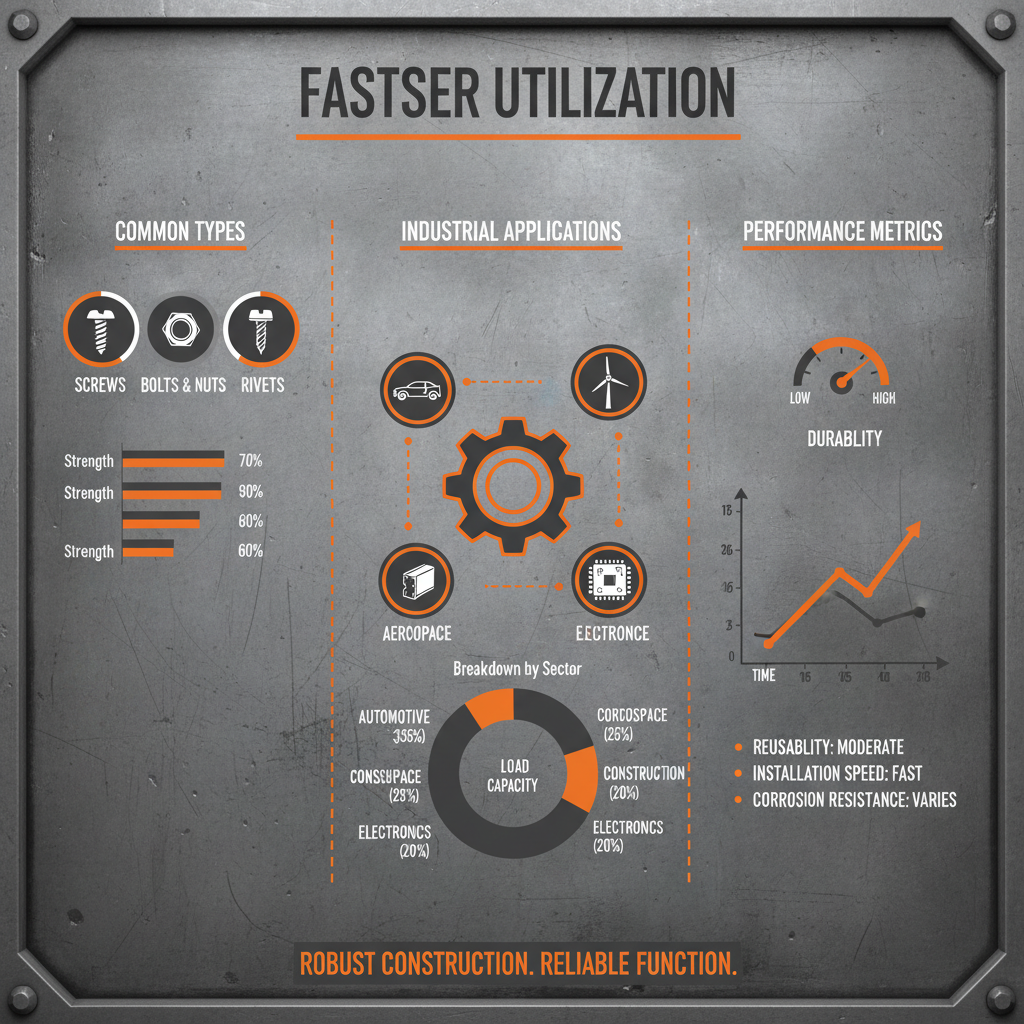
Durability is paramount when considering fastener use. The longevity of a fastener connection directly impacts the overall lifespan and reliability of the assembled system. Therefore, meticulous material selection is crucial. Different materials offer varying degrees of strength, corrosion resistance, and temperature tolerance.
Common materials include carbon steel (often with protective coatings), alloy steel (offering increased strength), stainless steel (providing excellent corrosion resistance), and aluminum alloys (for lightweight applications). The choice depends heavily on the specific application and its operating environment. For instance, marine applications demand highly corrosion-resistant materials like austenitic stainless steel, while high-stress applications may require the superior strength of alloy steel.
Material Performance Ratings for Fastener Use
Global Applications of Advanced Fastener Use
The applications of advanced fastener use are incredibly diverse and span numerous industries. In the aerospace sector, high-strength, lightweight fasteners are crucial for aircraft construction and maintenance, ensuring safety and fuel efficiency. In the automotive industry, precision fasteners are essential for assembling engines, chassis, and body panels.
In infrastructure projects, particularly bridge construction and high-rise buildings, specialized fasteners are utilized to withstand extreme loads and environmental conditions. For example, in post-disaster relief operations, rapid deployment shelters often rely on innovative fastener systems for quick and easy assembly. Similarly, in remote industrial zones, robust fasteners are critical for maintaining machinery and equipment in challenging environments.
Benefits and Long-Term Value of Optimized Fastener Use
Optimized fastener use delivers tangible benefits across multiple dimensions. Cost savings are realized through reduced maintenance, extended product lifespan, and minimized risk of failures. Sustainability is enhanced by utilizing durable materials and reducing the need for frequent replacements.
The social impact is significant, as reliable fastener connections contribute to safer structures, more dependable transportation systems, and more robust medical devices. Furthermore, trust is built through consistently high-quality and reliable connections. These benefits translate into a strong return on investment and a positive impact on society as a whole.
Future Trends and Innovations in Fastener Use
The future of fastener use is being shaped by several key trends. The increasing demand for lightweight materials is driving the development of advanced alloys and composite fasteners. Digital transformation, including the integration of sensor technology and data analytics, is enabling predictive maintenance and optimized fastener performance.
Automation in manufacturing is leading to more precise fastener installation and quality control. The growing emphasis on sustainability is spurring research into bio-based fasteners and recyclable materials. Furthermore, innovations in coating technologies are enhancing corrosion resistance and extending fastener lifespan.
These advancements will continue to improve the efficiency, reliability, and sustainability of fastener use across various industries, contributing to a more resilient and environmentally responsible future.
Summary of Critical Factors in Fastener Use Optimization
| Fastener Material |
Application Environment |
Installation Technique |
Maintenance Schedule |
| Carbon Steel |
Dry, Indoor |
Manual Torque Wrench |
Annual Visual Inspection |
| Stainless Steel 304 |
Mildly Corrosive, Outdoor |
Calibrated Torque Wrench |
Bi-Annual Inspection & Lubrication |
| Alloy Steel |
High-Stress, Dynamic Loads |
Automated Torque Control |
Quarterly Ultrasonic Testing |
| Titanium Alloy |
Aerospace, Extreme Temperatures |
Precision Robotic Installation |
Scheduled Non-Destructive Evaluation |
| Aluminum Alloy |
Lightweight Structures, Low Corrosion |
Hand Tightening with Limited Torque |
Annual Check for Loosening |
| Stainless Steel 316 |
Marine, Highly Corrosive |
Torque Wrench with Anti-Seize |
Regular Cleaning and Inspection |
FAQS
The most frequent cause of fastener failure isn’t typically a material defect, but rather improper installation. This includes incorrect torque application – either under-tightening leading to loosening, or over-tightening causing damage to the fastener or joined materials. Environmental factors like corrosion also contribute significantly. Understanding appropriate fastener use and installation is crucial for preventing failures.
Selecting the correct fastener for corrosive environments requires careful consideration of the specific chemicals and levels of exposure. Stainless steel alloys, particularly 316, offer excellent corrosion resistance. Other options include specialized coatings like zinc plating, hot-dip galvanization, or the use of non-metallic fasteners. Proper sealant application is also crucial to protect threads and prevent corrosion ingress.
Torque is the rotational force applied to a fastener to create clamping pressure. Applying the correct torque is critical for achieving a secure and reliable joint. Under-torque can result in loosening, while over-torque can damage the fastener or joined materials. Torque values are typically specified by the fastener manufacturer and should be followed precisely using a calibrated torque wrench.
Galvanic corrosion occurs when dissimilar metals are in contact in the presence of an electrolyte. To prevent this, use insulating materials between the metals, apply protective coatings to the more anodic metal, or select fasteners made from a compatible material. Carefully considering the electrochemical series of metals is essential when designing joints with dissimilar materials.
High-strength fasteners provide increased clamping force, allowing for thinner and lighter designs while maintaining structural integrity. They are essential for applications involving high loads, dynamic stresses, or critical safety requirements. Using high-strength fasteners can improve performance, reduce weight, and enhance the overall reliability of the assembled system.
The frequency of fastener inspection and re-tightening depends on the application, the severity of the operating environment, and the criticality of the joint. A regular maintenance schedule should be established, with inspections conducted at least annually. Joints subjected to vibration, high loads, or corrosive environments should be inspected more frequently. Any loose or damaged fasteners should be replaced immediately.
Conclusion
In conclusion, effective fastener use is a critical element of engineering, construction, and manufacturing. From material selection and installation techniques to ongoing maintenance and emerging innovations, a comprehensive understanding of fasteners is paramount for ensuring safety, reliability, and sustainability. By prioritizing quality, precision, and a proactive approach to fastener management, we can build more durable, resilient, and efficient systems.
Looking ahead, continued investment in research and development will drive advancements in fastener materials, coatings, and installation technologies. Embracing digital solutions, such as sensor-based monitoring and data analytics, will further optimize fastener performance and minimize risk. A commitment to best practices in fastener use is essential for shaping a more robust and sustainable future for all. Visit our website at www.topfastener.com to learn more.