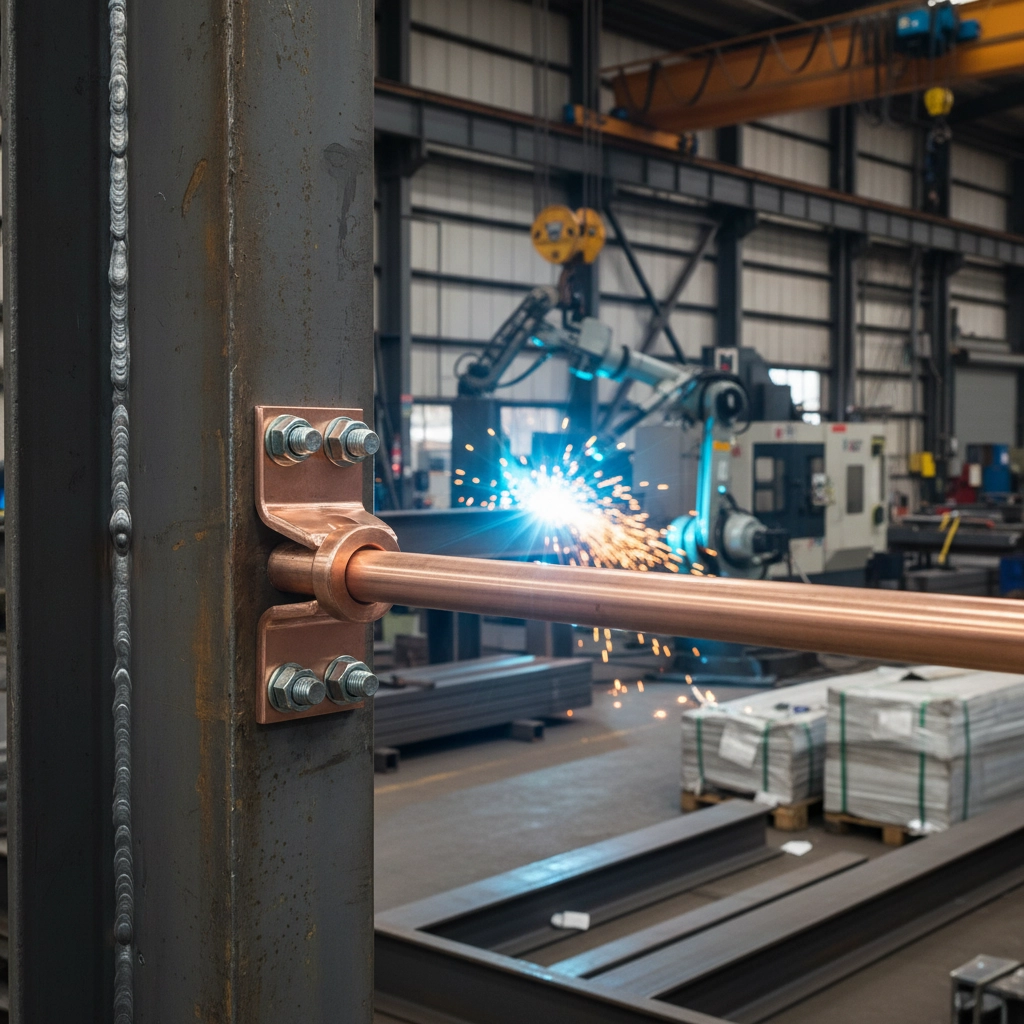
The global infrastructure landscape relies heavily on the precision and reliability of supporting systems, where pipe hanger manufacturers play a pivotal role in ensuring structural integrity. From high-rise commercial complexes to sprawling industrial refineries, the ability to securely suspend piping systems prevents catastrophic failures and optimizes spatial utilization. Understanding the nuances of these support systems is not merely a technical requirement but a safety imperative for engineers and procurement specialists worldwide.
In an era of rapid urbanization and industrial expansion, the demand for high-performance fastening solutions has surged. Leading pipe hanger manufacturers are now integrating advanced metallurgy and ergonomic designs to meet the rigorous standards of ISO and other international quality benchmarks. This evolution ensures that whether a system is carrying chilled water, high-pressure steam, or chemical reagents, the support mechanism remains resilient against vibration, thermal expansion, and corrosion.
Selecting the right partner among various pipe hanger manufacturers can significantly impact the lifecycle cost of a project. By focusing on E-E-A-T principles—Experience, Expertise, Authoritativeness, and Trustworthiness—industries can avoid the pitfalls of subpar components that lead to costly maintenance shutdowns. This comprehensive guide explores the critical factors, applications, and future trends that define the current state of pipe support manufacturing.
Global Relevance of Pipe Hanger Manufacturers
On a global scale, the influence of pipe hanger manufacturers extends far beyond the simple production of metal brackets. As emerging economies invest heavily in infrastructure—ranging from smart cities in Asia to industrial hubs in Africa—the standardization of piping supports has become a cornerstone of urban safety. According to global industrial standards, failure to implement correctly engineered supports can lead to pipe sagging, joint leakage, and in extreme cases, structural collapse.
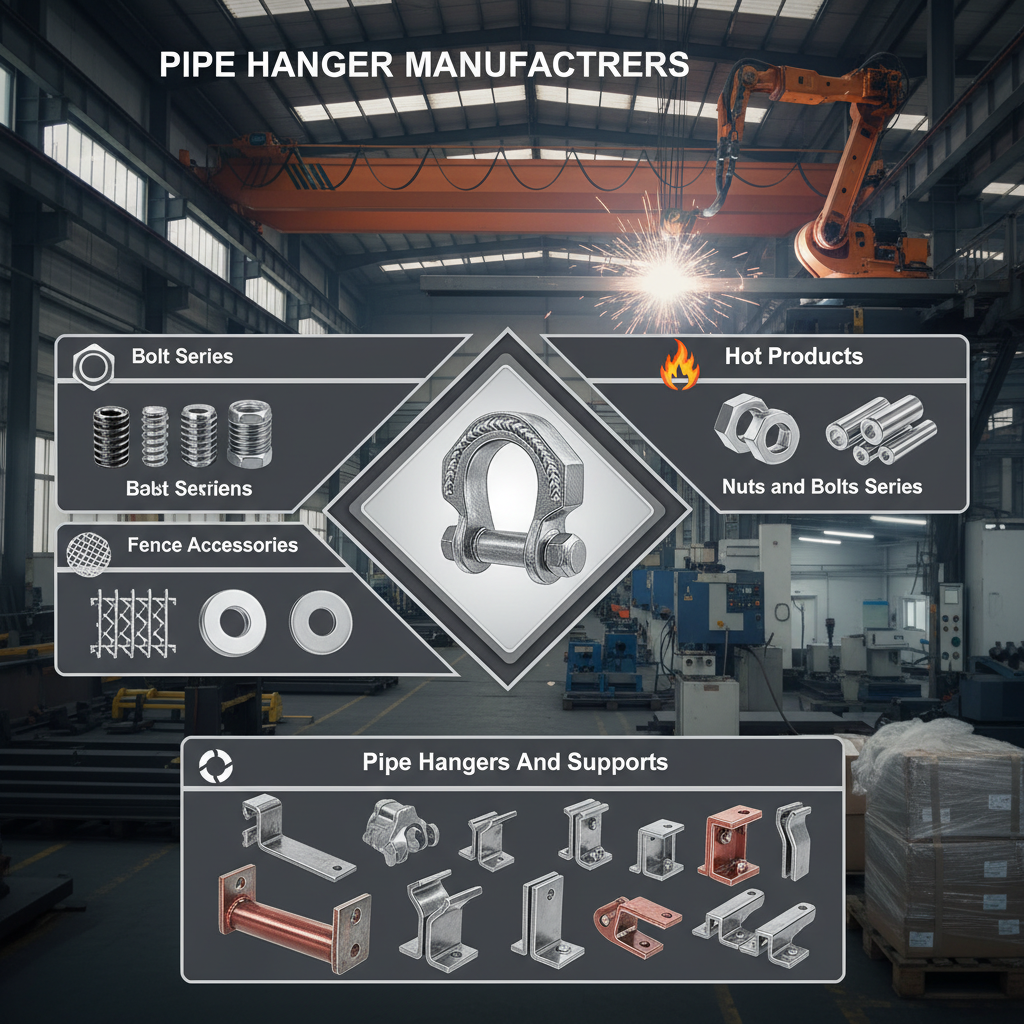
Moreover, the integration of these components into larger systems involving Bolt Series and Hardware Washers creates a cohesive fastening ecosystem. The ability of manufacturers to scale production while maintaining tight tolerances is what allows massive projects, such as desalination plants or nuclear power stations, to proceed with predictable timelines and minimized risk.
Defining the Scope of Pipe Support Manufacturing
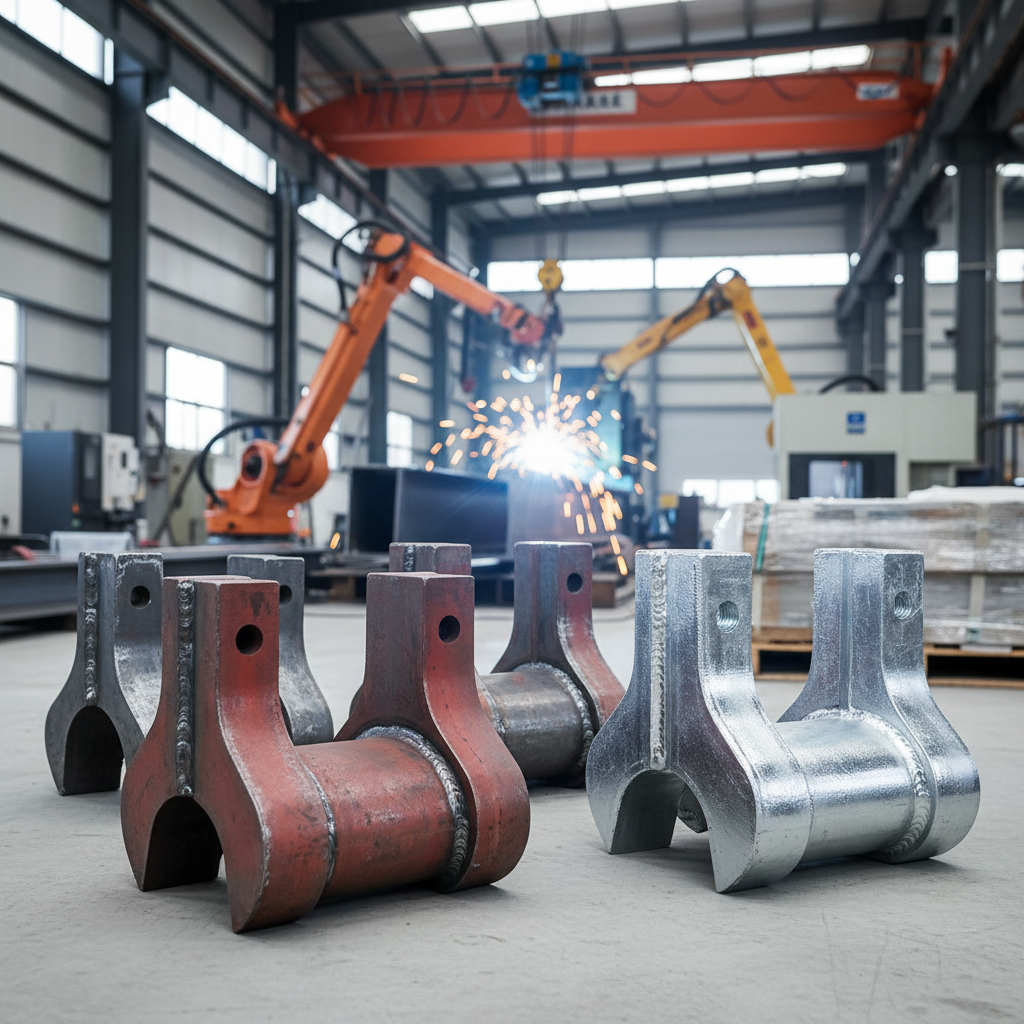
At its core, pipe hanger manufacturers are specialized engineering entities that design and produce devices used to hold pipes in place. This encompasses a wide array of products, including clevis hangers, roller supports, and riser clamps. Unlike generic hardware, these products are engineered to withstand specific loads, thermal movements, and environmental stressors, ensuring that the fluid or gas transported remains undisturbed by external vibrations.
In the context of modern industry, this role is closely tied to humanitarian and safety needs. For instance, in hospitals or laboratory settings, the precision of pipe supports ensures that critical oxygen or chemical lines are never compromised. The connection between a manufacturer's quality control and the end-user's safety is direct; a single faulty weld or a low-grade alloy can jeopardize an entire facility's operational continuity.
Furthermore, the scope of manufacturing now includes the synergy between different product lines. A comprehensive supplier doesn't just provide the hanger, but also the corresponding Nuts and Bolts Series and Fence Accessories needed for a complete installation. This holistic approach reduces compatibility issues on-site and streamlines the procurement process for large-scale contractors.
Core Components for Maximum Durability
Material selection is the primary pillar for pipe hanger manufacturers. The use of galvanized steel, stainless steel, or specialized polymers depends entirely on the environment. For example, in marine environments, 316-grade stainless steel is non-negotiable to prevent chloride-induced stress corrosion cracking, ensuring the longevity of the support system.
Load-bearing capacity and scalability are equally critical. Professional pipe hanger manufacturers utilize Finite Element Analysis (FEA) to simulate stress points, ensuring that each hanger can support not only the weight of the pipe but also the weight of the medium inside it, plus a safety margin for dynamic loads like seismic activity.
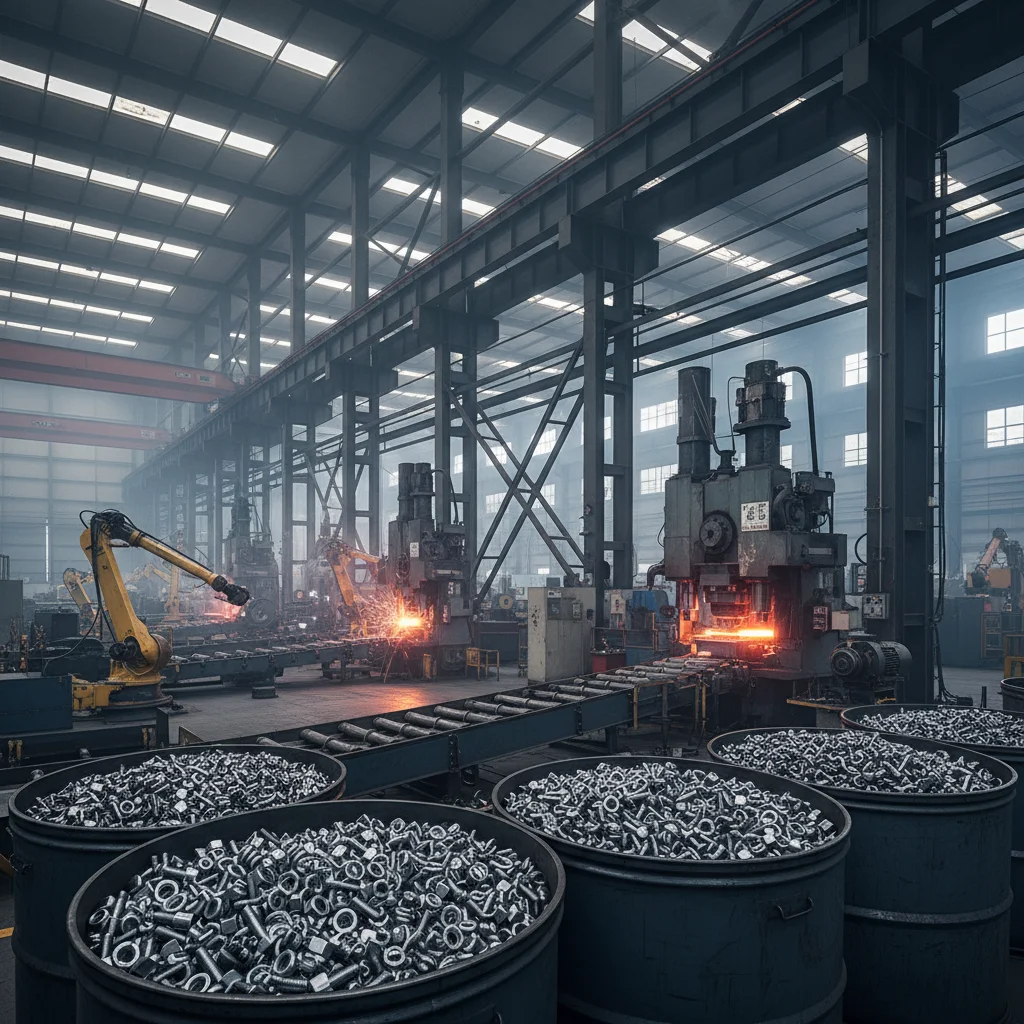
Finally, cost efficiency is achieved through the optimization of the manufacturing process. By utilizing automated stamping and precision threading, manufacturers can reduce waste and lower the unit cost without compromising the structural integrity. This allows for the deployment of high-quality supports even in budget-constrained public works projects.
Global Applications and Use Cases
The practical application of solutions from pipe hanger manufacturers spans across diverse sectors. In the oil and gas industry, heavy-duty supports are deployed in remote industrial zones to manage high-temperature pipelines that expand and contract significantly. These systems often integrate specialized roller hangers that allow for longitudinal movement, preventing the pipe from buckling under thermal stress.
In urban residential developments, the focus shifts to vibration dampening and acoustic isolation. Using rubber-lined hangers, manufacturers help eliminate the "water hammer" effect and noise transfer between floors in luxury apartments. Similarly, in post-disaster relief operations, modular and easy-to-install support systems are used to rapidly deploy temporary water and sanitation piping in refugee camps, showcasing the humanitarian value of standardized hardware.
Performance Comparison of Pipe Hanger Manufacturing Methods
Tangible Advantages and Long-Term Value
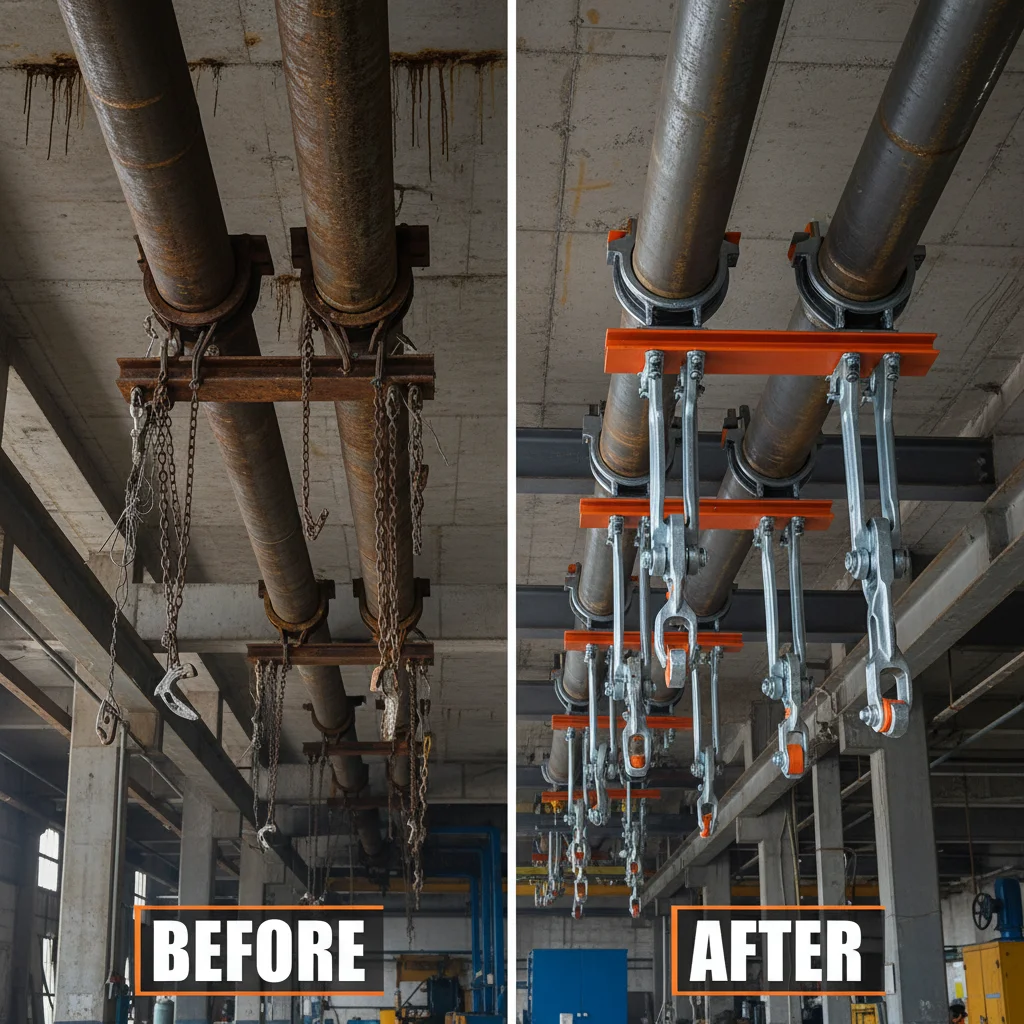
Collaborating with reputable pipe hanger manufacturers provides more than just a physical product; it offers long-term operational security. The primary advantage is the drastic reduction in maintenance costs. High-quality supports resist corrosion and fatigue, meaning that facility managers do not have to perform frequent, risky inspections or emergency replacements in hard-to-reach ceiling voids.
Beyond the logic of cost, there is an emotional angle of trust and safety. For a site engineer, knowing that every support meets a certified load rating provides peace of mind. This reliability is a catalyst for innovation, as it allows architects to design more open, daring spaces without worrying about the collapse of essential utility lines. The synergy between sustainability and quality ensures that these components last for decades, reducing the carbon footprint associated with replacement cycles.
Future Trends in Support Innovation
The landscape for pipe hanger manufacturers is currently being reshaped by the digital transformation. The introduction of "Smart Supports" equipped with IoT sensors is a burgeoning trend. These sensors can detect abnormal vibrations or early signs of structural fatigue, sending real-time alerts to maintenance teams before a failure occurs, shifting the paradigm from reactive to predictive maintenance.
Sustainability is another driving force. We are seeing a shift toward "green" metallurgy, where manufacturers use recycled steel and eco-friendly coating processes to reduce VOC emissions. The industry is moving away from toxic cadmium plating toward advanced zinc-nickel alloys that provide superior corrosion resistance with a much lower environmental impact.
Automation and 3D printing are also beginning to play a role. For highly complex industrial plants with non-standard piping layouts, pipe hanger manufacturers can now produce custom-engineered brackets using additive manufacturing. This allows for a perfect fit, reducing installation time and eliminating the need for on-site welding, which is often a fire hazard.
Overcoming Industrial Challenges and Solutions
One of the most persistent challenges faced by pipe hanger manufacturers is the volatility of raw material costs and the inconsistency of global supply chains. To overcome this, leading firms are diversifying their sourcing and investing in vertical integration—manufacturing their own Bolt Series and Nuts to ensure that a shortage in one component doesn't halt the production of the entire assembly.
Another hurdle is the installation error. Even the best-engineered hanger is useless if installed incorrectly. To solve this, manufacturers are providing augmented reality (AR) installation guides and more intuitive, "click-and-lock" designs that reduce the reliance on highly skilled labor and minimize human error during the assembly phase.
Finally, the struggle against extreme corrosion in chemical plants requires continuous R&D. By experimenting with thermoplastic coatings and high-performance composites, manufacturers are creating supports that can withstand pH levels that would dissolve standard galvanized steel in months. This commitment to material science ensures that infrastructure can survive in the harshest environments on Earth.
Analysis of Support Material Performance across Different Industrial Environments
| Material Type |
Corrosion Resistance (1-10) |
Load Capacity (1-10) |
Installation Speed |
| Galvanized Steel |
6 |
9 |
Fast |
| Stainless Steel 304 |
8 |
8 |
Moderate |
| Stainless Steel 316 |
10 |
8 |
Moderate |
| Carbon Steel (Painted) |
4 |
10 |
Fast |
| Glass-Reinforced Plastic |
9 |
6 |
Very Fast |
| Alloy Steel |
7 |
10 |
Slow |
FAQS
For high-humidity or coastal areas, you should prioritize manufacturers that specialize in Stainless Steel 316 or Hot-Dip Galvanized coatings. Look for those who provide salt-spray test reports and certifications that prove their products can withstand chloride-rich environments without pitting or rusting, as this ensures long-term structural safety.
Yes, provided you work with manufacturers who utilize additive manufacturing or modular design. While custom parts often carry a premium, they can reduce overall project costs by eliminating the need for expensive on-site modifications and reducing the labor hours required for installation.
A clevis hanger is primarily used for stationary vertical suspension, providing a secure hold for the pipe. A roller support, however, is designed for pipelines that experience thermal expansion and contraction, allowing the pipe to slide horizontally to prevent stress build-up and potential rupture.
Inspection intervals depend on the medium being transported. For standard water lines, every 3-5 years is typically sufficient. However, for high-pressure steam or chemical lines in industrial zones, quarterly or bi-annual inspections are recommended to check for corrosion, sagging, or bolt loosening.
Reputable manufacturers always provide load-bearing specifications and material mill certificates. These documents are essential for building code compliance and insurance purposes, as they prove the support system can safely handle the calculated weight of the piping and its contents.
Modern composite materials, such as reinforced polymers, offer comparable strength to steel for a wide range of applications and superior corrosion resistance. While they may not replace steel in ultra-heavy industrial settings, they are an excellent, sustainable choice for commercial and residential utility systems.
Conclusion
In summary, the role of pipe hanger manufacturers is fundamental to the stability and safety of global infrastructure. By balancing material science, precision engineering, and sustainable practices, these manufacturers ensure that critical piping systems function efficiently across diverse environments. From the selection of high-grade stainless steel to the integration of IoT sensors, the evolution of pipe supports reflects a broader industrial shift toward reliability, safety, and predictive maintenance.
Looking ahead, the integration of smarter materials and automated production will further minimize installation errors and environmental impact. For project managers and engineers, the key to long-term success lies in partnering with manufacturers who prioritize E-E-A-T principles and offer a comprehensive suite of fastening solutions. To ensure your project is supported by the highest industrial standards, visit our website: www.topfastener.com