December 03, 2025
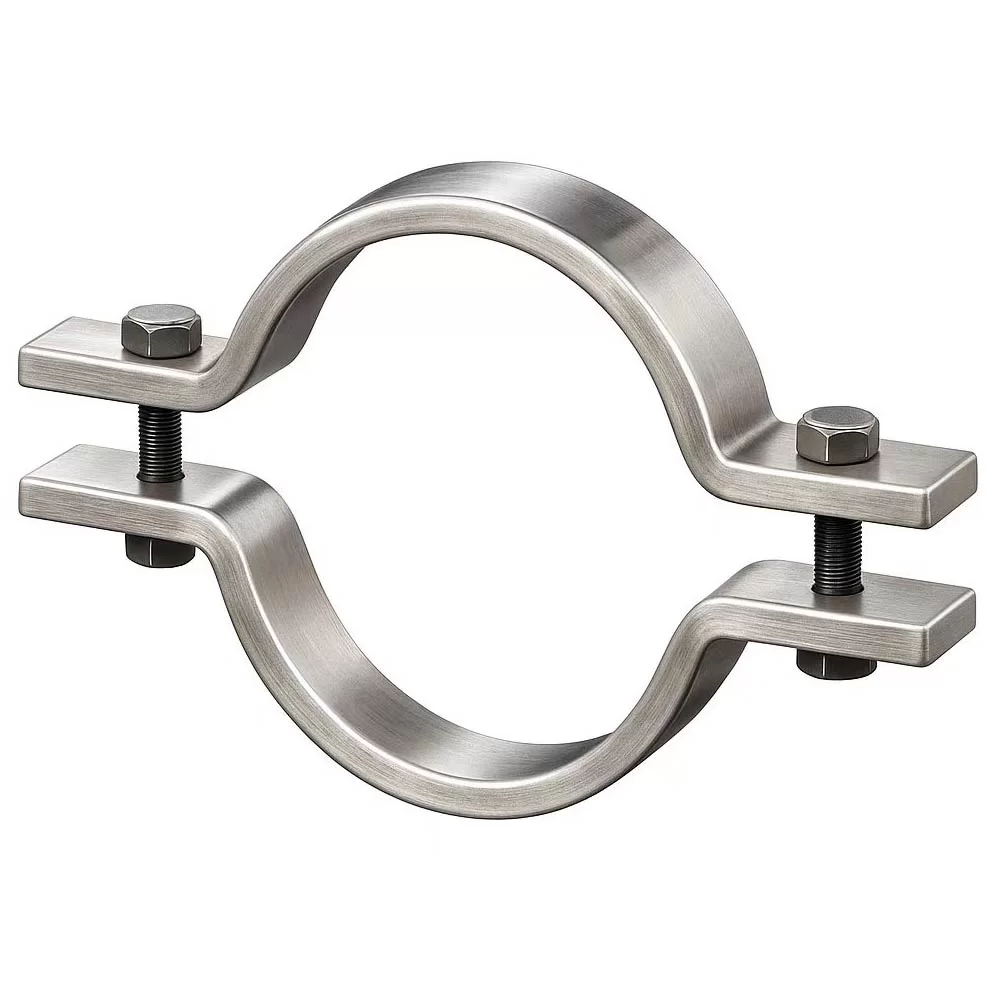
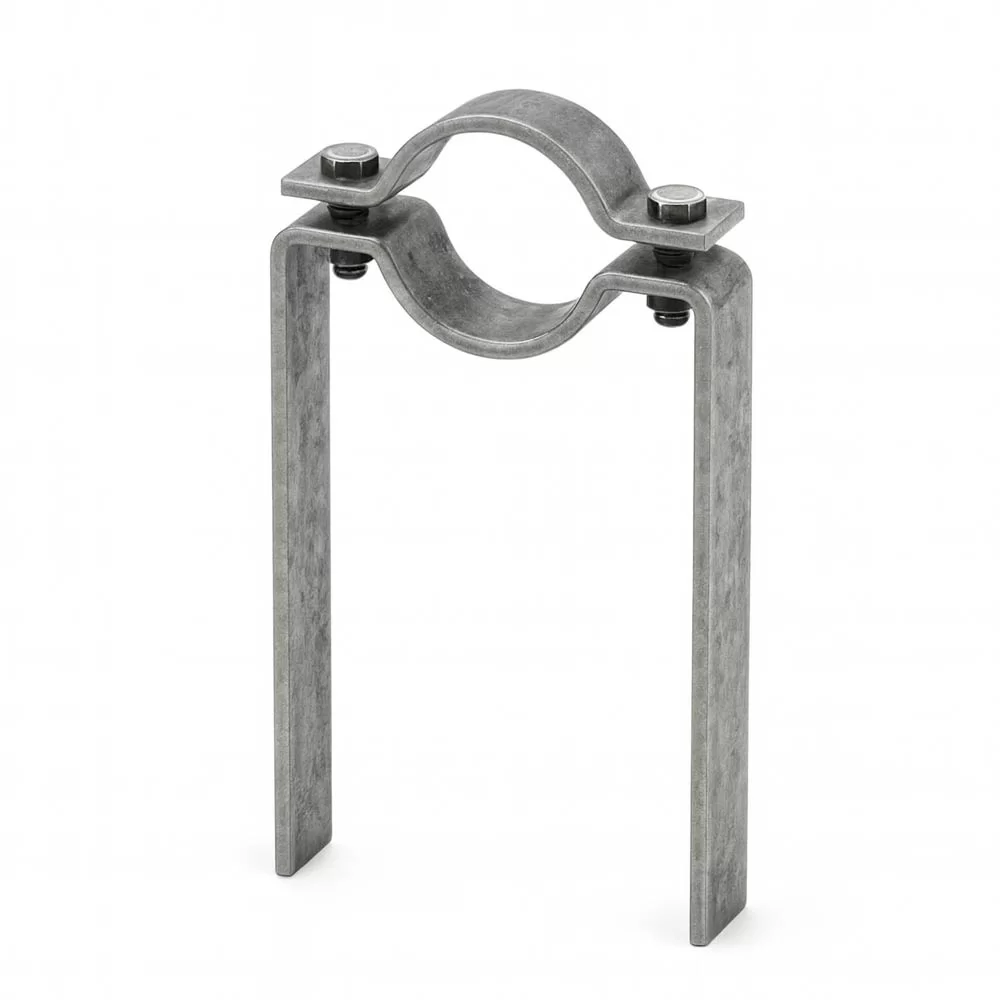
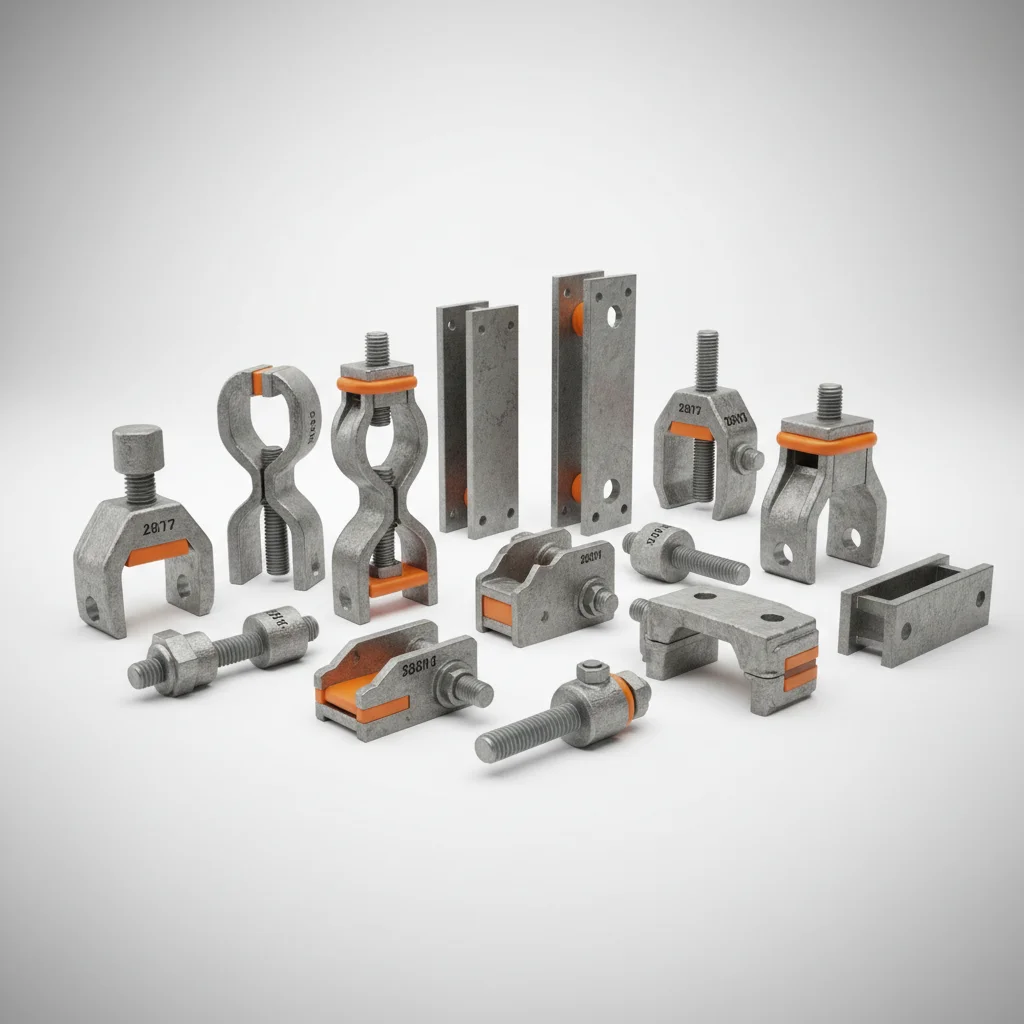
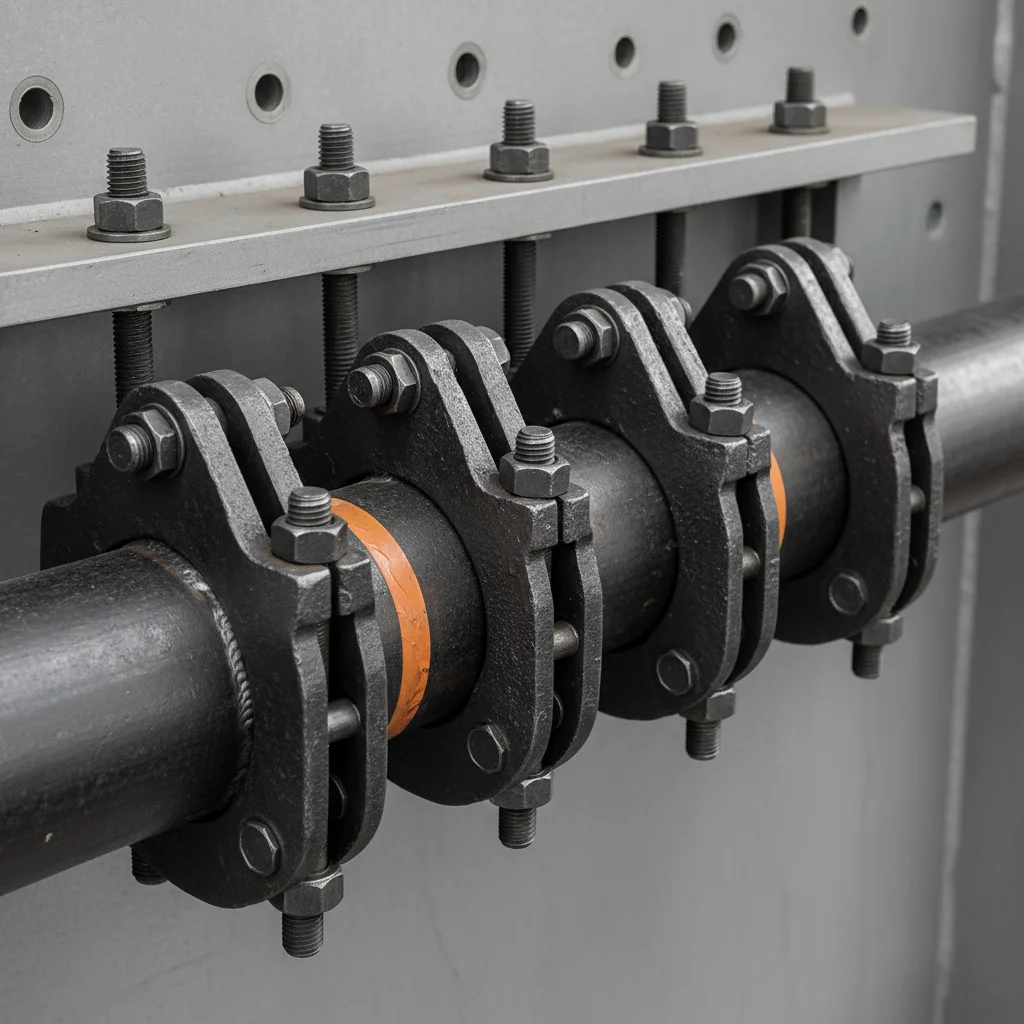
Having spent well over a decade in the industrial equipment sector, I’ve come to appreciate that clamps might seem like simple hardware—but their importance? Absolutely critical. You’ll find clamps almost everywhere: securing pipes, holding components for welding, or even in custom fixtures. But here’s the thing: not all clamps are created equal, and just as importantly, not all clamps suppliers deliver with the same reliability or expertise.
In real terms, when you’re on an assembly line or working on a heavy-duty fabrication, a faulty clamp can mean downtime, compromised safety, or even damage. I’ve seen firsthand how partnering with the right supplier can save headaches, increase efficiency, and even improve product quality. It’s not just about price—though that matters too—it’s about consistency, material quality, and sometimes, customization.
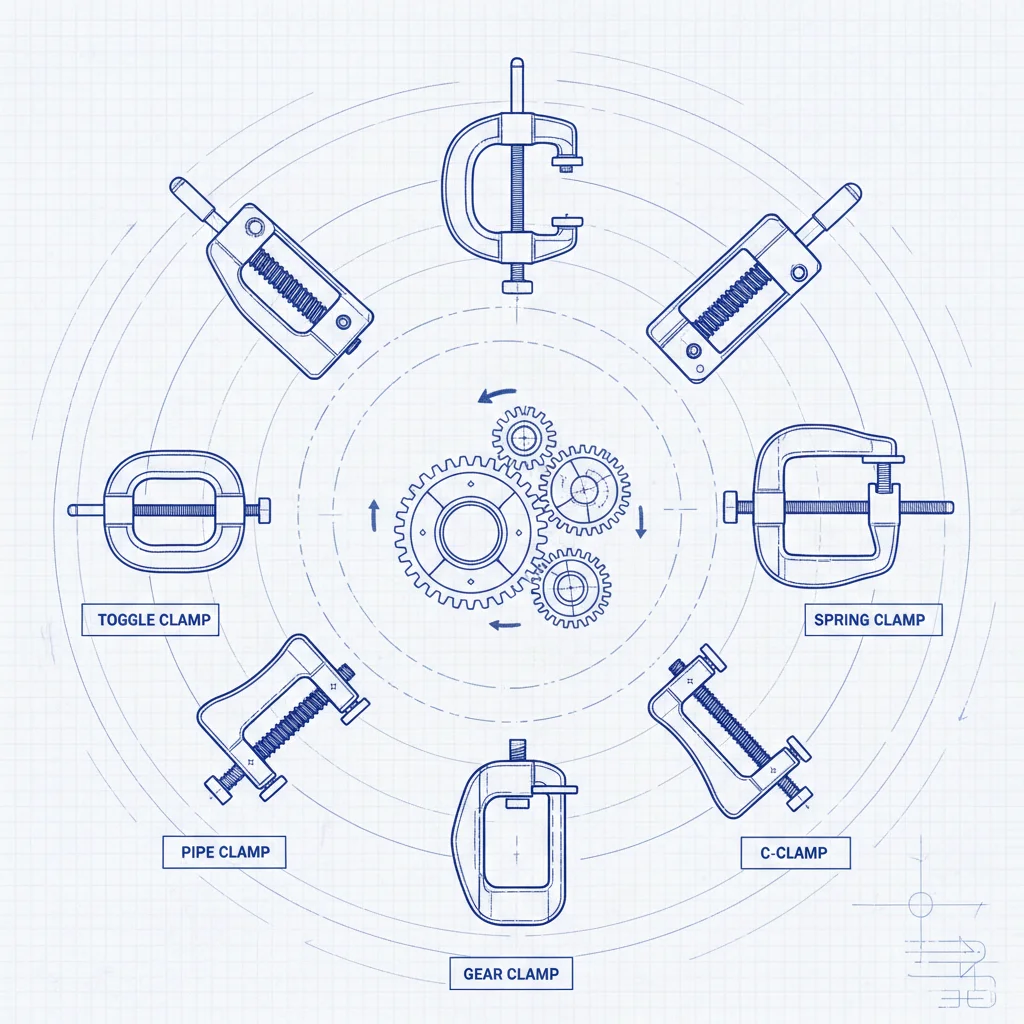
Oddly enough, many engineers and project managers tend to overlook the value of supplier knowledge. I remember once a client wanted a standard toggle clamp, but after discussing their process in detail, we opted for a custom variant with a specific rubber pad to prevent damage on delicate surfaces. That small tweak made a world of difference.
Steel, stainless steel, aluminum, and sometimes even thermoplastics are common in clamp production. But it really depends on your application’s demands. Does the clamp need to withstand corrosive environments? Stainless steel is your friend. Does weight matter? Aluminum might be a better bet.
Testing? Manufacturers often perform tensile strength, load capacity, and wear resistance tests. You want your clamps to hold up under actual working stresses, not just laboratory specs. Many suppliers provide detailed technical datasheets—I always encourage checking those closely. It feels like common sense, but many still overlook it.
| Specification | Typical Value | Notes |
|---|---|---|
| Material | Stainless Steel (304/316) | Corrosion resistant for most environments |
| Load Capacity | Up to 3000 N | Varies by clamp type |
| Finish | Electroplated / Powder Coated | Corrosion protection and aesthetics |
| Temperature Range | -20°C to 150°C | Depends on rubber or plastic parts used |
| Customization | Available upon request | Pads, sizes, handle types, etc. |
Over the years, I’ve noticed the most reliable clamps suppliers offer more than just a catalog. They invest in understanding your process, often recommending variations or enhancements. For example, some suppliers now provide quick-release clamps that save valuable seconds during assembly, which might not seem like much but add up over thousands of cycles.
It might surprise you, but sometimes the difference isn’t just product specs; it’s lead times, testing documentation, or even service attitude. Here’s a quick rundown of a few suppliers I’ve dealt with, who are fairly prominent in the space:
| Supplier | Material Quality | Lead Times | Customization | Global Shipping |
|---|---|---|---|---|
| TopFastener | Excellent (304/316 SS) | 2-4 weeks | Wide range | Yes |
| ClampsCo | Good (Carbon Steel) | 3-5 weeks | Limited | No |
| IndustrialClampSupplies | Variable | 1-3 weeks | Custom only | Yes |
Frankly, if you’re looking for a dependable partner, I often point folks to TopFastener. Their combination of quality, customization options, and global logistics is hard to beat. Also, their willingness to discuss specific project requirements is refreshing.
Before you pull the trigger on any particular supplier, take a moment to ask about testing procedures, certifications, and lead times. If they can’t provide clear answers—or if everything sounds too generic—consider it a red flag. In this industry, trust and expertise matter.
Clamp selection, in my experience, isn’t just a checkbox item on your bill of materials list. It’s a small but mighty piece of your industrial puzzle. Choosing the right clamps suppliers could save you time, money, and a lot of unnecessary stress. And honestly, it feels good knowing your products are secured by tools that won’t let you down.
At the end of the day, I suppose the best advice is: don’t settle for “good enough.” Dive into specs, ask for samples, and build relationships. Because, odd as it sounds, in the somewhat humble world of clamps, you get what you pay for.
— An industrial equipment veteran
References:
1. Material Properties Handbook, ASM International
2. Industrial Clamps Testing Standards, ISO 12100
3. Supplier Customer Reviews, Industry Forums 2023
Hit enter to search or ESC to close