February 02, 2026
Pipe hangers are essential components in any plumbing or piping system, providing crucial support and preventing stress on the pipes. Choosing the right type of pipe hanger is critical for ensuring the longevity and safety of your installation. This article will explore the various types of pipe hangers available, their applications, and factors to consider when selecting the most appropriate option. We’ll cover everything from simple clevis hangers to more specialized spring supports, helping you make an informed decision for your project.
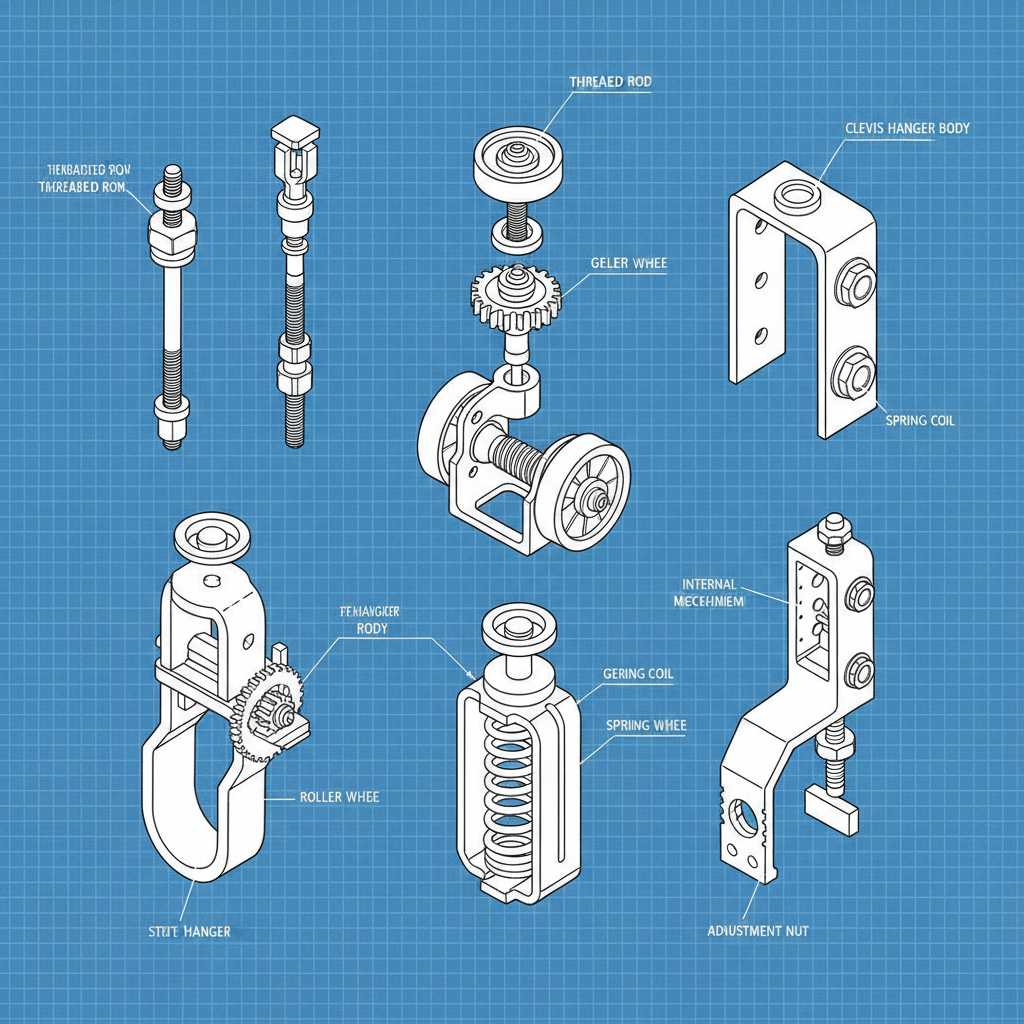
The primary function of pipe hangers is to secure pipes to building structures, such as ceilings, walls, or steel beams. They prevent pipes from sagging, bending, or vibrating, which can lead to leaks, damage, and even catastrophic failure. Beyond basic support, good pipe hangers also accommodate thermal expansion and contraction of the pipes, preventing stress buildup. Different materials and designs are used to address various piping systems and environmental conditions. Factors like pipe weight, diameter, operating temperature, and the presence of insulation all influence hanger selection. Selecting the proper hanger is key to a reliable and long-lasting piping system.
There’s a wide array of pipe hangers available, each suited for specific applications. Here’s a breakdown of some of the most common types:
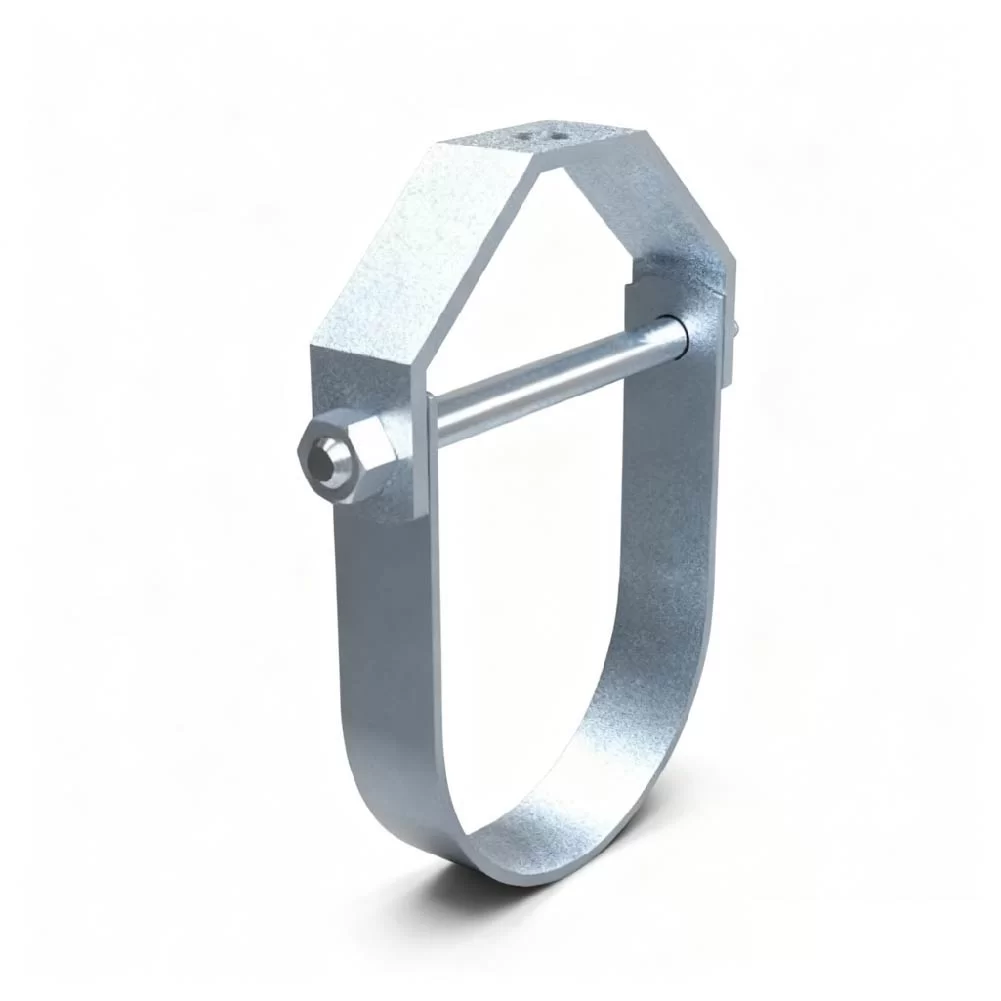
Clevis Hangers: These are among the most frequently used hangers, particularly for supporting medium-weight pipes. They consist of a U-bolt, a clevis, and a threaded rod.
Eye Bolt Hangers: Simple and versatile, eye bolt hangers are ideal for vertical supports and applications requiring adjustable height.
U-Bolts: Often used with threaded rods, U-bolts provide a secure connection for pipes of various sizes.
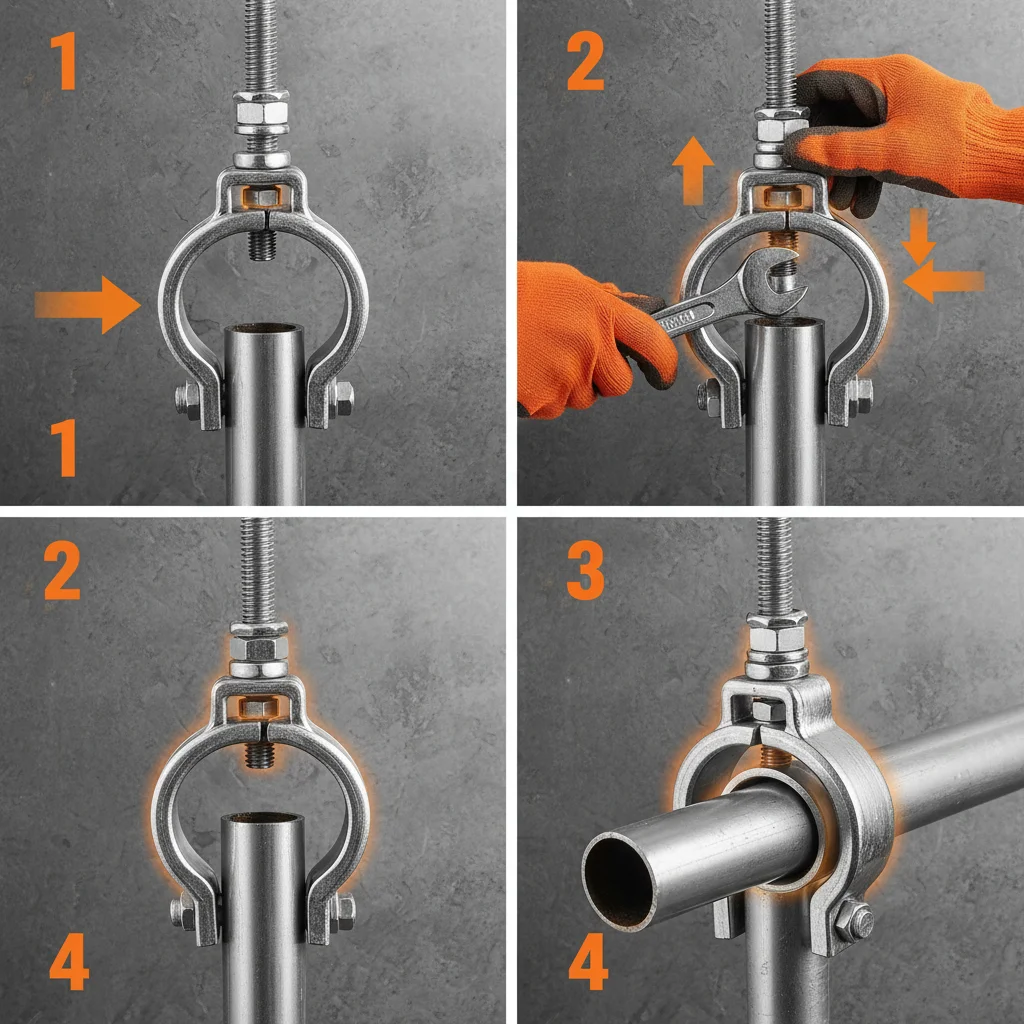
Riser Clamps: Designed for vertical runs, riser clamps grip the pipe firmly and provide stable support.
Spring Hangers: Used for supporting heavy pipes or those subject to significant thermal movement, spring hangers provide dynamic support that absorbs expansion and contraction.
Swivel Hangers: Allow for rotational movement, accommodating angled pipe runs and preventing stress on the piping system.
Choosing between clevis hangers, eye bolt hangers, and riser clamps depends on the specific application. Here's a comparison to help you decide:
For more demanding applications, specialty pipe hangers are necessary. Spring supports are used when pipes experience significant thermal expansion and contraction. These hangers utilize a spring mechanism to absorb movement and prevent stress on the piping system. Swivel hangers, as mentioned earlier, accommodate angled runs and reduce stress. Roller hangers are used for larger diameter pipes, allowing them to move horizontally. Finally, hydraulic supports are employed in extremely heavy-duty applications, providing precise control and support. Selecting the appropriate specialty hanger requires careful consideration of the pipe’s weight, diameter, operating temperature, and expected movement.
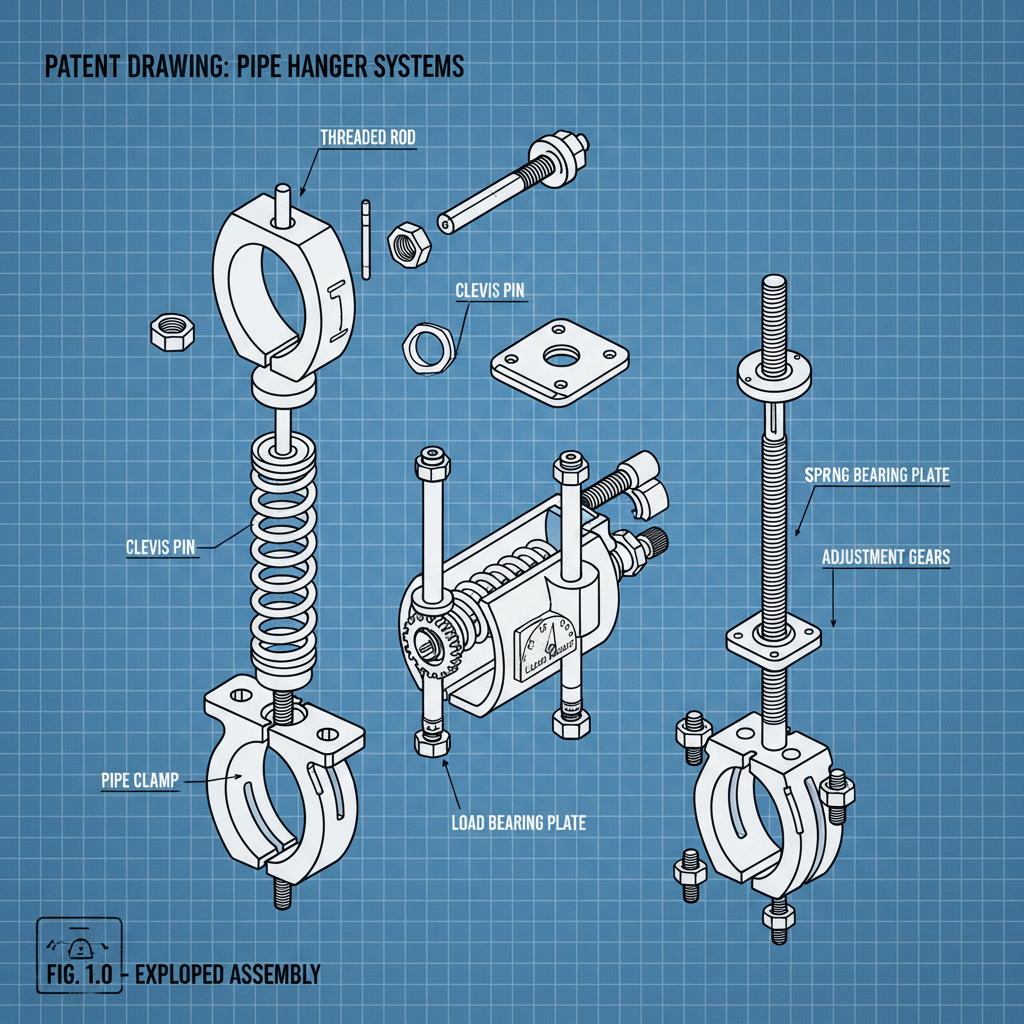
Choosing the right pipe hanger involves considering several factors. Here’s a checklist:
Pipe Weight: Select a hanger with a sufficient weight capacity.
Pipe Diameter: Ensure the hanger properly accommodates the pipe size.
Operating Temperature: Choose materials that can withstand the temperature range.
Insulation: Account for the thickness of any pipe insulation.
Corrosive Environment: Select corrosion-resistant materials if necessary.
Code Compliance: Ensure the hanger meets relevant building codes and standards.
Selecting the appropriate pipe hangers is vital for the long-term reliability and safety of any piping system. By understanding the different types available and considering the specific requirements of your application, you can ensure optimal support, prevent damage, and avoid costly repairs. Don’t compromise on quality – choose hangers that meet industry standards and provide lasting performance.
Pipe hangers are commonly manufactured from carbon steel, stainless steel, galvanized steel, and aluminum. Carbon steel is a cost-effective option for many applications, but it’s susceptible to corrosion. Stainless steel offers excellent corrosion resistance, making it ideal for harsh environments. Galvanized steel provides a protective coating against corrosion, and aluminum is lightweight and corrosion-resistant. The choice of material depends on the specific environment and the fluid being transported through the pipes.
Pipe hangers should be inspected regularly, ideally at least once a year, and more frequently in demanding environments. During inspection, check for signs of corrosion, damage, or loosening. Ensure that the hangers are still securely attached to the supporting structure and that the pipes are properly supported. Address any issues promptly to prevent potential problems. Keep a record of inspections and maintenance activities.
The spring can in a spring support serves to contain the spring and protect it from environmental factors like dirt, moisture, and corrosion. It also provides a guide for the spring’s movement, ensuring it compresses and expands in a controlled manner. This containment is essential for maintaining the spring’s performance and extending its lifespan. Without the can, the spring would be exposed and more prone to failure.
To determine the correct load capacity, you need to calculate the total weight of the pipe, the fluid it contains, and any insulation. Add a safety factor (typically 2:1 or higher) to account for dynamic loads and unforeseen stresses. Refer to the manufacturer’s specifications for the maximum load capacity of the hanger. It's essential to select a hanger that can safely support the calculated weight with the added safety factor. Consult with a qualified engineer if you're unsure about the load calculation.
Hit enter to search or ESC to close